
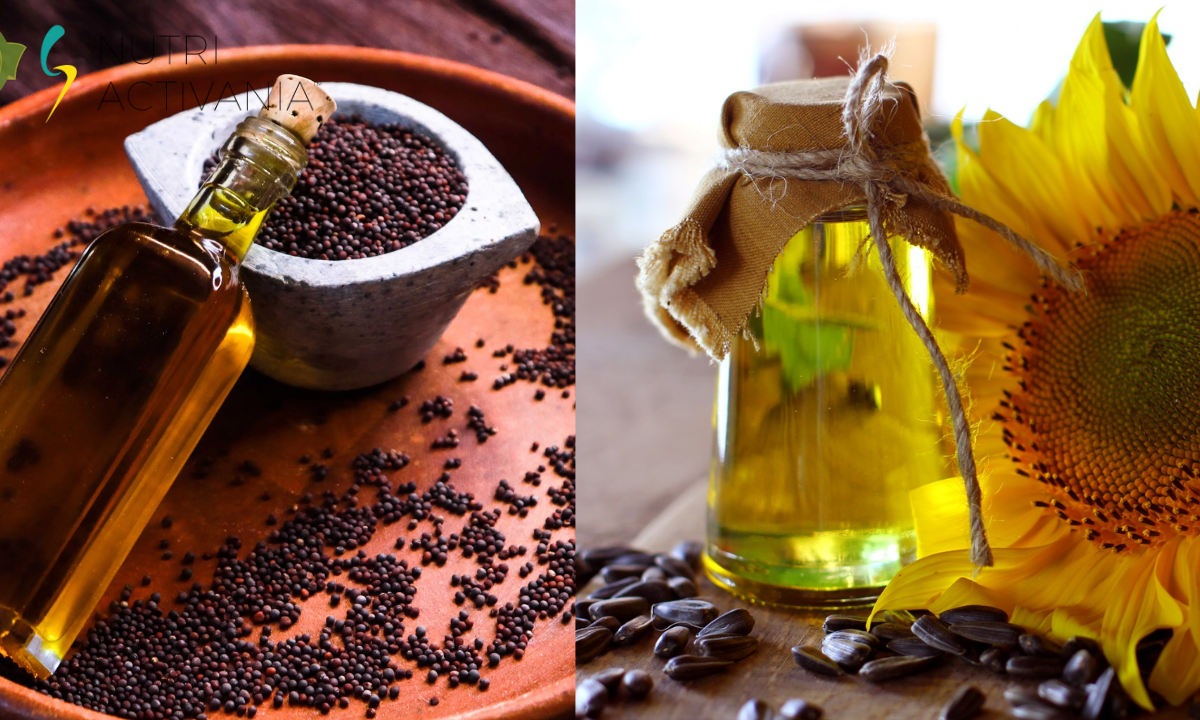
In the perpetual quest for a healthier lifestyle, cooking oil plays a pivotal role. While it is true that nutritionists and dieticians all over the world are in favor of consuming less oil, it is also true that oil adds flavor to our food and serves as a rich source of fats and antioxidants. However, the debate intensifies when it comes to selecting the right oil for daily culinary needs. Among the array of options available, two commonly used oils in Indian kitchens, Sunflower Oil and Mustard Oil, often take centre stage.
Today’s article will discuss the pros and cons of two commonly used oils in the Indian kitchen—Sunflower Oil and Mustard Oil. Let’s find out from Delhi’s top Dietician, Avni Kaul, which of the two is better for your health in the long run.

Mustard Oil: A Brief Introduction
Mustard oil, from mustard plant seeds, is common in Indian cooking for its strong flavor and ability to handle high heat. It’s popular in India, Bangladesh, and Pakistan. But some countries ban it for cooking due to high erucic acid, which can harm the heart if consumed too much. Still, it’s used in skincare for massages, skin serum, and hair treatments.
Sunflower Oil: A Brief Introduction
Sunflower oil, extracted from the seeds of the sunflower plant (Helianthus annuus), is rich in polyunsaturated and monounsaturated fats, linoleic and oleic acids, and vitamin E. Ukraine and Russia collectively contribute to over half of the global production of sunflower oil. Certain varieties of sunflowers are cultivated specifically for their elevated oleic acid content. The resulting sunflower oil, known as high-oleic acid sunflower oil, serves as a vital dietary source of polyunsaturated fats.
What are the Pros of Mustard Oil?
Good for your heart–Due to the presence of MUFA or monounsaturated fatty acids, mustard oil reduces harmful cholesterol, regulates blood fat levels, and boosts circulation. Rich in omega-3 fatty acids, it lowers the risk of ischemic heart disease. Studies indicate MUFA’s ability to lower triglycerides, blood pressure, and blood sugar levels, benefiting heart health.
Antibacterial and anti-fungal properties–It has been found that mustard oil possesses potent antibacterial and anti-fungal properties. Whether used in cooking or applied externally, it can combat digestive infections and treat skin issues. Research suggests its efficacy in eliminating dental bacteria and preventing vaginal yeast infections.
Helps in reducing pain and inflammation–Mustard oil is thought to alleviate pain and inflammation due to the presence of allyl isothiocyanate, a chemical compound known for its impact on pain receptors, and alpha-linolenic acid, which may reduce inflammation and relieve pain associated with conditions such as rheumatoid arthritis. However, more research is still required to understand its safety and effectiveness.
Good for cough and cold– If you have a cold, some believe mustard oil can help. Rubbing it on your chest or inhaling steam with a few drops can ease symptoms. However, there’s no scientific evidence to support its effectiveness for respiratory issues.
What are the Pros of Sunflower Oil?
Lowers bad cholesterol and takes care of your heart– Since it is low in saturated fat and high in polyunsaturated fatty acids including omega-3s omega-6s and monounsaturated fatty acids, this oil can help lower blood levels of LDL (bad) cholesterol and triglycerides and promotes cardiovascular health.
- Good for your nerves– Vitamin E present in this oil may slow the progression of Alzheimer’s Disease.
- Hair Treatment– Tocopherol present in this oil helps to treat hair problems like baldness and excessive hair fall.
What about the Cons of Mustard Oil?
Excessive consumption of Mustard oil has its own risks. It may cause erucic acid toxicity, linked to cardiovascular issues, diarrhoea, anaemia, and respiratory problems. Allyl isothiocyanate in mustard oil irritates the mouth and gut lining. Prolonged exposure to erucic acid in animals causes myocardial lipidosis. It can also affect children.
What about the Cons of Sunflower Oil?
Sunflower oil, rich in fatty acids, is calorie-dense and may lead to obesity-related health issues. Heating certain types can release harmful compounds, contributing to inflammation. Its omega-6 and omega-3 content may promote weight gain. Excessive consumption elevates blood sugar and cancer risk.
Takeaway
It is evident from this analysis that both mustard oil and sunflower oil have their merits and demerits. The choice between them depends on individual health needs and cooking preferences.