
Here are Simple Tips by Nutritionist Avni Kaul
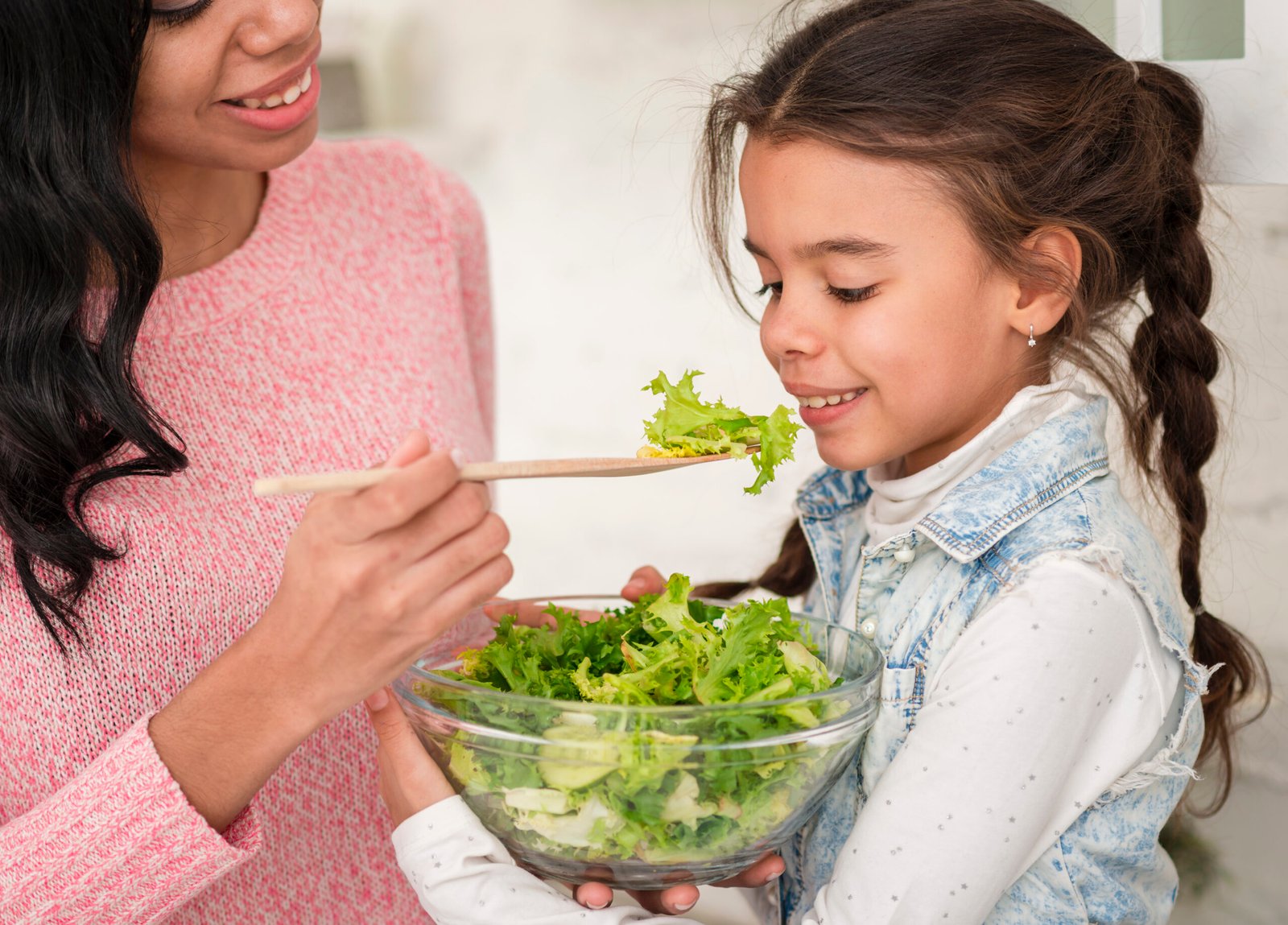
As parents, we face the challenge of getting toddlers to eat green vegetables. Toddlers are notoriously picky eaters, and food neophobia is a natural phase of their development, peaking around age 2. They may be hesitant to try new foods, particularly green veggies, due to evolving taste preferences and cautious tendencies. Patience and gentle exposure are essential to help them overcome this phase and embrace healthier eating habits. In this article, India’s eminent Dietician for children, Avni Kaul, has shared her expert tips to help parents encourage their toddlers to love and embrace green vegetables.

- Be the Role Model
Children often mimic the behaviors they observe in adults. As parents, it is essential to demonstrate a positive attitude towards green vegetables by incorporating them into your own diet regularly. During meal times, ensure that the whole family sits together and enjoys a balanced plate, including a variety of green vegetables. When your toddler sees you enjoying broccoli or kale, they are more likely to be curious and willing to try it themselves.
- Daily Exposure to Greens
Exposing toddlers to vegetables regularly helps normalize and familiarize them with healthy greens, increasing the likelihood of acceptance. Serve a variety of colorful veggies, like carrot sticks, bell pepper slices, and broccoli florets, alongside familiar dishes. Parents can introduce grated carrots in parathas (flatbreads) or blend spinach into a savory lentil soup (dal) to make the greens appealing and enjoyable for the child. This exposure encourages curiosity and creates positive associations with greens, making them more likely to eat them willingly.
- Looks Matter
Use creative presentations to make green vegetables look attractive and appealing. You can cut broccoli florets into mini trees or use cookie cutters to shape cucumber slices into fun shapes. The more playful and exciting the food looks, the more likely your child will be eager to try it. Make “Mini Masala Dosa” with potato and spinach filling. Transform cauliflower into cute “Gobi Lollipops.”
- Don’t force-feed them
Often, parents force their little ones to eat green vegetables against their will, much to their resistance. If your child hesitates to try, be patient. Praise them when they try munching on sweet potato fry even if it is just a bite. Don’t rush them. Let them relax and enjoy their small bites.

- Start Early
Introducing green vegetables early in a child’s diet can help establish a positive association with these foods. When starting solids, incorporate pureed or mashed green vegetables into their diet. Gradually transition to cooked and finely chopped greens as they grow older. Early exposure increases the likelihood of acceptance as toddlers become accustomed to the taste and texture. The sooner, the better.
- Let the Child DO IT
Give your toddler a sense of ownership over their meals by involving them in the cooking process. Let them help wash the vegetables, mix the ingredients, or sprinkle some seasoning. When kids contribute to making a dish, they become more invested in trying out the final product, including those green veggies they helped prepare.
- Pairing Helps
If your child is hesitant about trying green vegetables, pair them with foods they already love. For example, mix some cooked spinach into their favorite pasta dish or blend beetroot into a fruity lassi. Gradually, your child will associate the greens with familiar and delicious flavors, making them more likely to accept and enjoy them.
- Tasty Chutneys/Dips
Create healthy chutneys and dips with yogurt, chickpeas, or avocado. Serve them with Indian greens like spinach, fenugreek, or bottle gourd to encourage toddlers to enjoy their vegetables. There could be many more such options to explore. So, put on your thinking caps and make mealtime exciting and nutritious.