
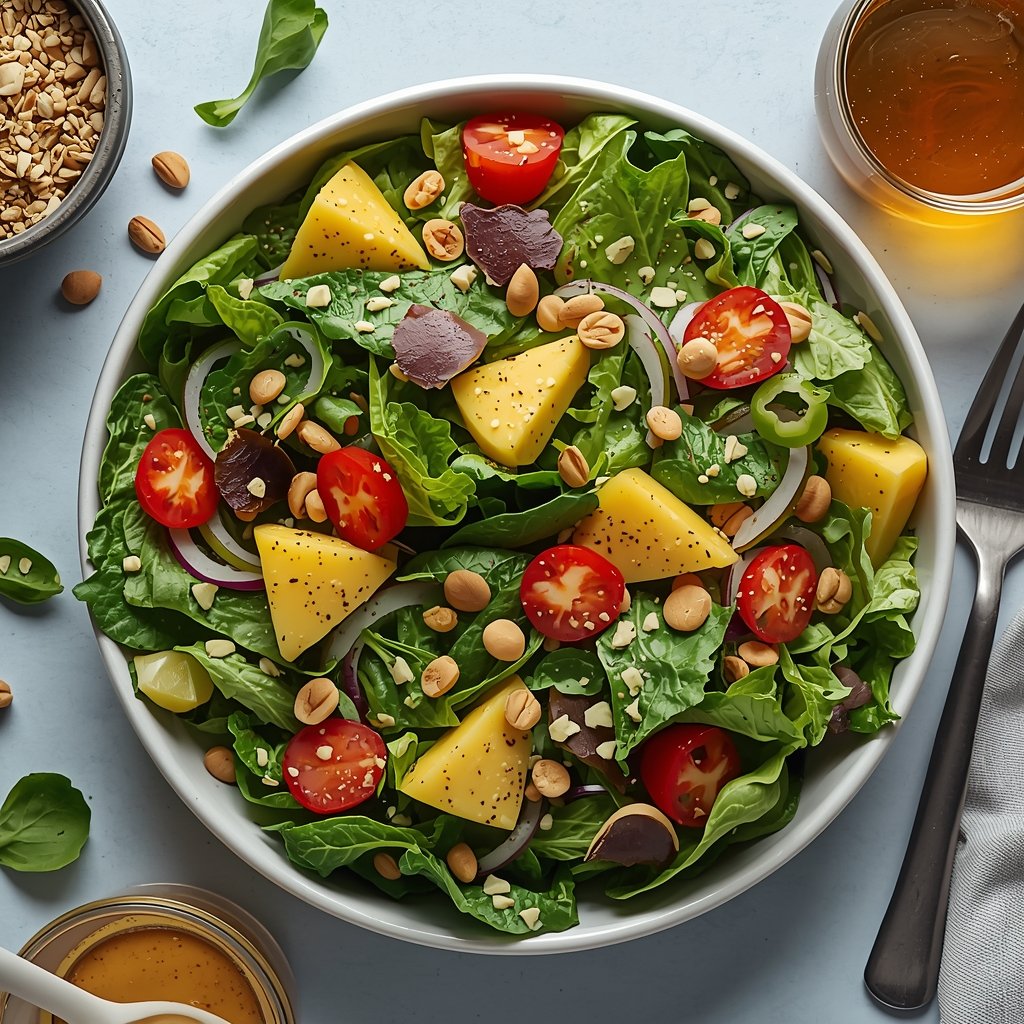
Salads are often celebrated as a nutritious option for maintaining a healthy diet. Packed with fresh vegetables, fruits, and other wholesome ingredients, salads offer a plethora of vitamins, minerals, and fibre. However, what many people may not realize is that adding dressing to your salad can significantly enhance its nutritional value and flavour as explained by Delhi’s top nutritionist and Dietician, Avni Kaul, through this blog.

Why incorporating dressing into your salad is not only delicious but also beneficial for your health?
1. Increased Nutrient Absorption: Many of the essential vitamins and antioxidants found in vegetables are fat-soluble, meaning they require fat to be absorbed and utilized by the body. By adding a source of healthy fats, such as olive oil or avocado, to your salad dressing, you can enhance the absorption of these nutrients, including vitamins A, D, E, and K, as well as carotenoids and lycopene.
2. Enhanced Flavor and Satisfaction: Let us face it – a dry salad can be bland and unappealing. Dressing adds flavor, richness, and depth to your salad, making it more enjoyable to eat. The combination of tangy, sweet, savory, and creamy flavors in dressings tantalizes your taste buds and encourages you to consume more vegetables, thus boosting your overall nutrient intake.
3. Balanced Macronutrients: Including a balanced combination of macronutrients – carbohydrates, proteins, and fats – in your meal helps promote satiety and prevents blood sugar spikes. While vegetables provide carbohydrates and fibre, adding protein-rich ingredients like grilled chicken, tofu, or nuts to your salad is common. Dressing contributes healthy fats, completing the macronutrient profile and ensuring you feel satisfied and energized after your meal.
4. Supports Heart Health: Certain types of salad dressings, particularly those made with extra virgin olive oil or other plant-based oils, are rich in heart-healthy monounsaturated fats. These fats help lower LDL (bad) cholesterol levels and reduce the risk of heart disease when consumed as part of a balanced diet. Additionally, the antioxidants present in olive oil have anti-inflammatory properties that further support cardiovascular health.
5. Promotes Nutrient Diversity: Experimenting with different types of salad dressings allows you to incorporate a variety of herbs, spices, vinegar, and other flavorful ingredients into your diet. Each type of dressing offers a unique array of nutrients and phytochemicals, contributing to a more diverse and balanced nutrient intake. Regularly rotating dressings also keep your salads exciting and prevent flavour fatigue.
6. Supports Weight Management: Contrary to popular belief, adding dressing to your salad can actually aid in weight management when done mindfully. The healthy fats in dressings help slow down digestion and promote feelings of fullness, reducing the likelihood of overeating. Additionally, enjoying a satisfying and flavorful salad may help curb cravings for less nutritious, calorie-dense foods.
Dressing is not just a condiment but a vital component that enhances both the taste and nutritional value of your salad. By incorporating a variety of dressings made with wholesome ingredients into your meals, you can enjoy a delicious and satisfying way to consume more vegetables while reaping numerous health benefits. So, next time you whip up a salad, don’t forget to drizzle on some dressing – your taste buds and your body will thank you for it.