
Do You Have Kidney Stones? What Should You Eat and What You Shouldn’t?

Table of Contents

By Dietician Avni Kaul — Gold Medalist, M.Sc. Food & Nutrition, Lady Irwin College, University of Delhi | Founder, Nutri Activania

Did you know that kidney stones are as old as human civilization? It is said that the oldest renal stone was found in an Egyptian mummy dated before 4800 BC.

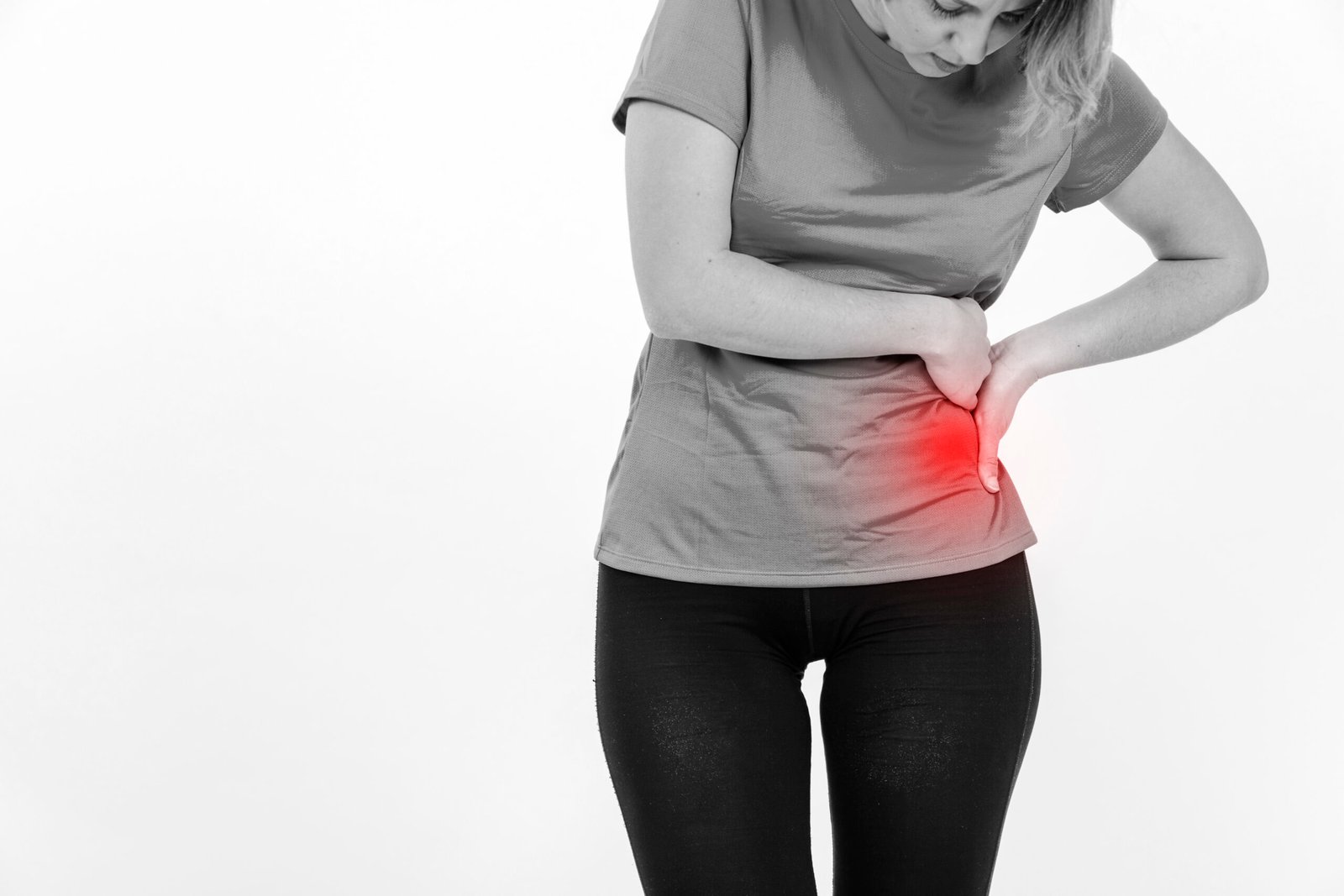
Kidney stones technically called renal calculi, nephrolithiasis or urolithiasis are small hard deposits that form in the kidneys due to the supersaturation of the urine with salts and minerals. The bad news is that it affects all age groups—from infants to adults. Nearly 12 per cent of the world population suffers from the disease at some point in their lives with men at a higher risk than women. The good news is that a balanced diet and proper medical guidance (based on the stone composition of the patient) can prevent the recurrence of kidney stones.

Delhi’s Eminent Dietician and Nutritionist, Avni Kaul shares her expert tips on what diet to have and what food to avoid when you have a kidney stone.

kidney stone shared by Avni Kaul

Stay well hydrated: Drink plenty of fluids that will dilute the salts in the urine thereby reducing the risk of stone formation. While water (at least 12 glasses a day) is the best remedy for kidney stones, tea, coffee, citrus juices also help. Study reveals that lemons reduce the risk of kidney stone formation due to the presence of a high concentration of citrate that acts as a natural inhibitor. So,drink lemonade regularly to keep kidney stones at bay. Avoid sugary drinks, grapefruit juice, and certain types of tea that increase the risk of stone formation.

Add calcium to your diet: Eat enough dietary calcium like milk, curd, paneer (cottage cheese), legumes and nuts during a meal. The oxalates and calcium from the foods will bind together to prevent the formation of kidney stones.

Limit your salt intake to 1,500 to 2,000 milligrams a day: Say NO to processed cheese, pasteurised butter, pizzas, pretzels, chips, breads and bagels, to name a few.

Eat less meat/Mind your meat intake: Excessive consumption of animal protein, red meat, poultry, eggs, and seafood, raises the level of uric acid thus increasing the risk of kidney stones. Since protein is important, add quinoa, tofu, and chia seeds to your diet instead.

Avoid taking Vitamin C supplements: High doses of vitamin C can increase the risk of kidney stones.

Kidney stones can be life-threatening if left untreated. Say goodbye to kidney stones by following the right diet.

Important Disclaimer & Medical Policy

This content is for informational and educational purposes only. It does not constitute medical or dietary advice. Please consult Dietician Avni Kaul or a qualified healthcare professional before making any changes to your diet or nutrition plan.

Picture of Avni Kaul: Dietician & Nutritionist in Delhi NCR

Avni Kaul: Dietician & Nutritionist in Delhi NCR

About the Author: Dietician Avni Kaul

Avni Kaul is a Gold Medalist nutritionist holding a Master's degree in Food and Nutrition from Lady Irwin College, University of Delhi. With 12+ years of clinical experience and 15,000+ clients, she is the founder of Nutri Activania — Delhi's leading dietitian practice. She specialises in weight management, PCOS, thyroid disorders, diabetes, and pregnancy nutrition.

Share with your network
Nutrition Category
Popular Blogs
How Much Stevia is Safe Per Day? Dosage, Side Effects and Weight Gain Facts
Walk down any supermarket aisle today, and you will spot stevia everywhere, in sweetener sachets, “sugar-free”...
15 Protein-Rich Foods for Weight Loss to Add to Your Daily Diet
Meta Description: Discover 15 protein-rich foods for weight loss that keep you full, boost metabolism,...
Diet Chart for Weight Loss for Both Men and Women
A well-planned diet chart helps you stay healthy and keep your fat levels low. It consists of healthy...
Understanding Mood Swings Before Periods
Mood swings before periods are a common experience for many women, often showing up as irritability,...
Brain Health Foods: Complete Nutrition Guide
Brain health foods are nutrient-dense foods that support memory, focus, mood and long-term cognitive...
Vitamin D-Rich Foods: Best Sources to Add to Your Diet
Vitamin D is one of the most important nutrients for your body, yet deficiency is remarkably common in...
Top Fruits to Eat During Pregnancy for Baby's Growth
When you are pregnant, every bite you take contributes directly to your baby’s development. Your...
What Is Creatine? A Guide on Strength, Muscle, and Recovery
Creatine is one of the most researched supplements in sports nutrition, yet it remains one of the most...
Algae Oil vs Fish Oil: A Dietician's Guide to Choosing Right
Choosing the right omega-3 supplement can feel confusing, especially when algae oil and fish oil both...
Can Lean PCOS Be Cured? The Best Diet for Lean PCOS and How to Manage It
You have irregular periods, maybe some acne or unexpected hair growth, and a doctor has mentioned PCOS....

Book your Consultation Now

Join 300+ Delhi clients” + 5‑star reviews

Get a Free 30-Minute Consultation

Join 300+ Delhi clients” + 5‑star reviews