

Delhi’s Leading Dietician and Weight Loss Expert, Avni Kaul Decodes the Quandary
Food is an inseparable part of our life for most people literally live to eat! But at the same moment growing awareness regarding healthy cooking has also become an essential part of our lifestyle. Now many people at their own levels are making conscious efforts to eat healthily and stay fit.
Cooking sans oil is simply impossible! However, there are certain myths revolving around the use of cooking oils. Some say oils could be unhealthy and make you fat whereas certain studies claim that a few oils are beneficial for your heart health and can help in the overall development of your body. The most used oils are olive oil and mustard oil, and in this blog, top Dietician and weight loss expert, Avni Kaul is going to assess, which one is beneficial for our health.
Mustard oil and olive oil have become familiar names among millennials. Several people have preached about the benefits of olive oil which is why this oil has become a holy grail for most fitness enthusiasts. It has a good amount of dietary fat that is important for maintaining your cardiovascular health.
It is considered to be a wonder oil that does not lead to weight gain. The use of mustard oil is, however, associated with Ayurveda and has been used since time immemorial in Indian households. The pungent fragrance and the dark yellow hue of the oil are its signature recognition. It is hugely used in Indian kitchens, particularly, in the eastern part of the country. The predominant use of mustard oil can’t be replaced in our traditional food preparations such as mustard fish or Jhalmuri (a popular snack in Bengal).
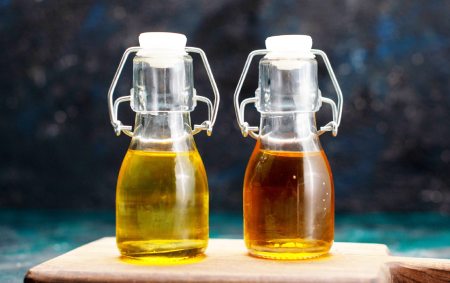
Mustard vs Olive Oil
Mustard oil has an excellent blend of natural antioxidants and vital fatty acids both of which are extremely useful in maintaining a healthy heart. It is high in mono-saturated fatty acids, polyunsaturated fats, and a few more good fats that are beneficial for the body. This oil promotes the presence of good cholesterol and decreases the build-up of bad cholesterol.
This oil is an essential source of omega-3 fatty acids and other healthy fats that are needed by the body. The combination of good fatty acids and oils in cooking oil not enhances its taste but also decreases blood fat levels.
Mustard oil has other health benefits to offer too for it boosts red blood cells by reducing cholesterol and enhancing the membrane structure of red blood cells. The presence of vitamin E gives the needed nutritive value and boosts the immune system.
Most of the researchers have concluded that mustard oil is healthier compared to olive oil because of its ideal ratio of fatty acids. It has both omega-3 and 6 in sufficient quantity which makes it excellent for better heart health. In olive oil, this ideal proportion is missing besides being expensive.
But having said that, it does not mean that olive oil is not healthy. Like mustard oil, olive oil to is healthy for your heart. Specifically, extra virgin olive oil, which is known as heart-friendly, improves your cholesterol levels and keeps your blood pressure under control. Besides, it is also beneficial for your memory and brain function. A 2019 study on animals suggests that oleocanthal-rich olive oil helped to restore healthy brain barrier function and lower neuro-inflammation.
Further, olive oil works well as an antimicrobial. It contains oleuropein. It has strong antibacterial, antiviral and antifungal components. Thus, this oil helps to protect you from various infections.
However, one must take proper caution while cooking using mustard or olive oil. You need to ensure that to avail the benefits, you should not overheat these oils as the nutrients get destroyed. However, food should be cooked only in hot oil so that it absorbs less fat.
Usage
Despite having nutritious values, it is important to consume these oils in moderation. Do not go overboard with either mustard or olive oil. 1 tbsp each is ideal on a daily basis to consume.
Another way to use olive oil is as dressing for salads and cooking your meals in mustard oil.
Conclusion
According to several studies, mustard oil and olive oil both are healthy edible oils. Both these oils provide numerous health benefits if eaten in moderation. So, there is no need for any confusion. You may opt for any one of those or use both of them simultaneously.