
India’s leading weight loss Dietician Avni Kaul Explains Why food made with flour or maida is harmful to our body
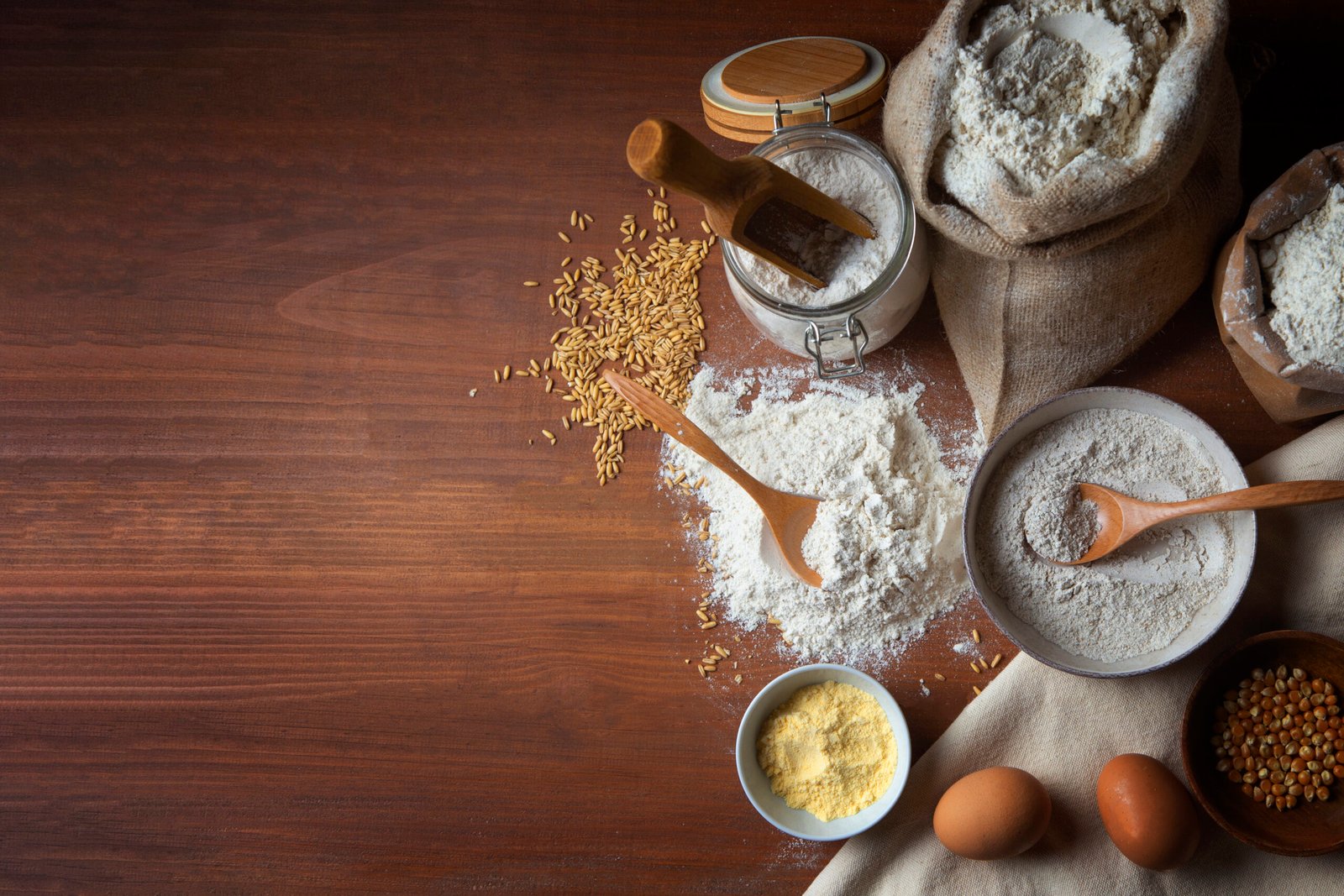
Maida (refined flour) is a popular, convenient, and tasty ingredient found in various dishes worldwide. Indians adore Maida for its versatility in creating scrumptious dishes like fluffy naan, crunchy samosas, and luscious sweets, making it an integral part of their culinary culture. While flour has been a staple of human diets for millennia, the refining process strips away essential nutrients, leaving behind a seemingly innocuous white powder, often nicknamed ‘White Poison’. Let’s find out a few reasons to avoid this much-loved ingredient from India’s eminent Dietician Avni Kaul.

What are the factors that make maida not health friendly?
Dietician Avni Kaul cites certain factors that make maida unfriendly for your health. Some of them are:
Loss of Vital Nutrients
Refined flour is produced by milling grains, a process that eliminates the endosperm of the wheat from the germ and bran which aids in digestion. Unfortunately, this results in the loss of vital nutrients, such as fiber, vitamins, and minerals (iron, magnesium, phosphorus, manganese, and selenium). Whole grains, in their natural state, are abundant in nutrients that promote a healthy body and mind. In contrast, maida offers only empty calories, lacking the nourishment required for a balanced diet.
High Glycemic Index
Refined flour has a high glycemic index (GI), which means that it causes rapid spikes in blood sugar levels when consumed. Frequent consumption of high-GI foods can lead to insulin resistance, weight gain, and an increased risk of type 2 diabetes.
Obesity and Weight Gain
Maida is rich in carbohydrates, stimulating insulin secretion and promoting fat production and storage. Its high-calorie content leads to weight gain. Rapid digestion causes blood sugar fluctuations, leading to increased hunger and overeating, contributing to obesity and health issues.
Digestive Disorders
Often called the ‘glue of the gut’- maida lacks fiber content which disrupts the digestive process, potentially leading to constipation, irritable bowel syndrome (IBS), and other gastrointestinal issues. A lack of fiber also hampers the growth of beneficial gut bacteria, essential for maintaining gut health.
Raises Bad Cholesterol
Maida increases the levels of LDL (low-density lipoprotein) in your bloodstream to a point where HDL (high-density lipoprotein) is unable to effectively counteract it. As a result, this situation makes you more susceptible to heart disease, high blood pressure, and kidney issues.

Inflammation
Regular consumption of refined flour has been linked to chronic inflammation in the body. Inflammation is associated with various health conditions, including heart disease, arthritis, and certain cancers.
Bad for The Bones
Excessive consumption of maida creates an acidic environment in the body, prompting it to use calcium reserves from the bones to neutralize acidity. This process reduces bone density over time. Moreover, the surplus of acid in the body can also contribute to inflammation and arthritis.
Gluten Sensitivity
While maida or refined flour itself is not gluten-free, some people with gluten sensitivity or celiac disease may experience adverse reactions when consuming refined flour products, which can further contribute to health issues.
Bad for Mental Health
Emerging research suggests a link between refined carbohydrate consumption and mental health issues, including depression and anxiety. The rapid sugar spikes and crashes in blood sugar levels caused by the consumption of maida may disrupt brain chemistry, leading to mood fluctuations and cognitive disturbances.
Dental Problems
Consumption of Maida-based products like cookies, cakes, or pastries causes the bacteria in the mouth to break down these sugars and starches into acids that erode tooth enamel, leading to cavities and tooth decay. The sticky nature of maida makes it an ideal breeding ground for harmful bacteria in the mouth which leads to other dental problems. To safeguard our well-being, it is essential to limit our intake of refined flour and instead embrace whole, nutrient-rich grains.