
Get back on your feet faster with a viral fever diet plan from India’s top Dietician Avni Kaul
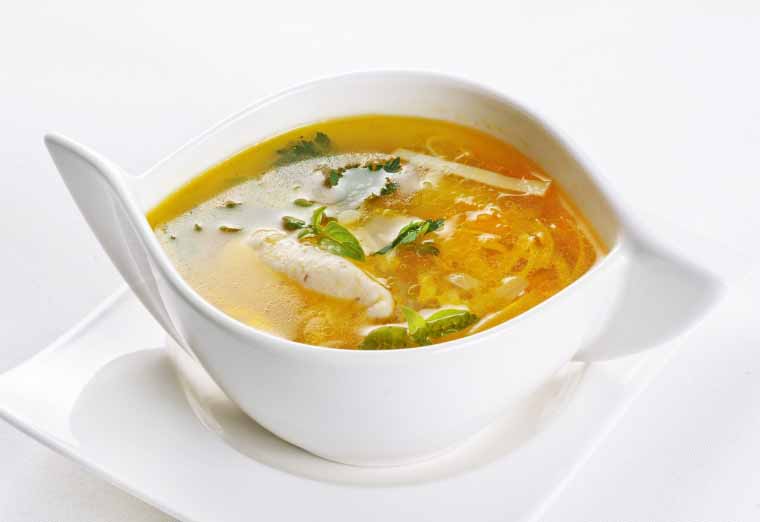
Diet in fever plays a crucial role in how quickly you recover, as the right foods can hydrate, nourish, and support your immune system while the wrong ones can worsen symptoms and slow healing. Focus on easy-to-digest, nutrient-dense foods like clear broths, oatmeal, steamed vegetables, fresh fruits, and lean proteins while avoiding fried foods, sugary snacks, spicy dishes, dairy products, and processed foods that can irritate your stomach and drain your energy.
What ways will help you to have a quick recovery from viral fever through the right diet?
Dietician Avni says that recovering is a multi-stage process and accordingly you need to include certain foods in your diet for a better recovery. They are:
Stay Hydrated: One of the most important aspects of recovering from viral fever is staying hydrated. diet in fever and sweating can lead to fluid loss in the body which can worsen your condition. Drink plenty of water, herbal teas, clear broths, and oral rehydration solutions to replenish lost fluids. Adequate hydration helps in flushing out toxins and aids in a quicker recovery.
Consume Nutrient-Rich Foods: Eating nutrient-rich foods is essential to boost your immune system and provide your body with the energy it needs to fight off the virus. Focus on the following foods:
- Fruits and Vegetables: These are rich in vitamins, minerals, and antioxidants that can help strengthen your immune system. Citrus fruits like oranges and lemons, as well as leafy greens, are particularly beneficial.
- Protein: Lean sources of protein like chicken, fish, tofu, and legumes can aid in repairing and building tissues.
- Whole Grains: Opt for whole grains like brown rice, whole wheat bread, and oats. They provide sustained energy and essential nutrients.
- Healthy Fats: Incorporate sources of healthy fats like avocados, nuts, and olive oil to support your body’s energy needs.
Include Immune-Boosting Foods: Certain foods are known for their immune-boosting properties. These include:
- Garlic: Garlic has antimicrobial properties and can help boost your immune system.
- Ginger: Ginger is known for its anti-inflammatory and immune-strengthening properties. You can make ginger tea or add it to your meals.
- Turmeric: Curcumin, the active compound in turmeric, has anti-inflammatory and antioxidant effects. Consider adding turmeric to soups or warm milk.
- Honey: Honey has antibacterial properties and can soothe a sore throat. Add a spoonful to herbal tea or warm water.
Avoid Processed Foods: Processed foods are high in sugar, salt, and unhealthy fats. They can weaken your immune system and slow down the recovery process. Steer clear of sugary snacks, carbonated beverages, and fried foods. These items can exacerbate inflammation and make you feel worse.
Eat Small, Frequent Meals: During a viral fever having a diet, your appetite may fluctuate. To ensure you are getting enough nutrients, eat smaller, more frequent meals throughout the day. This can help maintain your energy levels and prevent weakness.
Rest and Listen to Your Body: While a proper diet is important, rest is equally crucial. Your body needs time to heal. So get plenty of sleep and avoid strenuous activities until you are fully recovered. Listen to your body’s cues and adjust your diet and activity levels accordingly.
Recovering from a viral fever can be challenging, but the right diet can significantly expedite the process. Prioritize hydration, consume nutrient-rich foods, and focus on immune-boosting options like garlic, ginger, and turmeric. Avoid processed foods, and eat small, frequent meals. Remember that rest is paramount to a speedy recovery. If symptoms persist or worsen, consult a healthcare professional for appropriate guidance and treatment. By following these dietary guidelines, you can help your body fight off the virus and regain your health more quickly.