
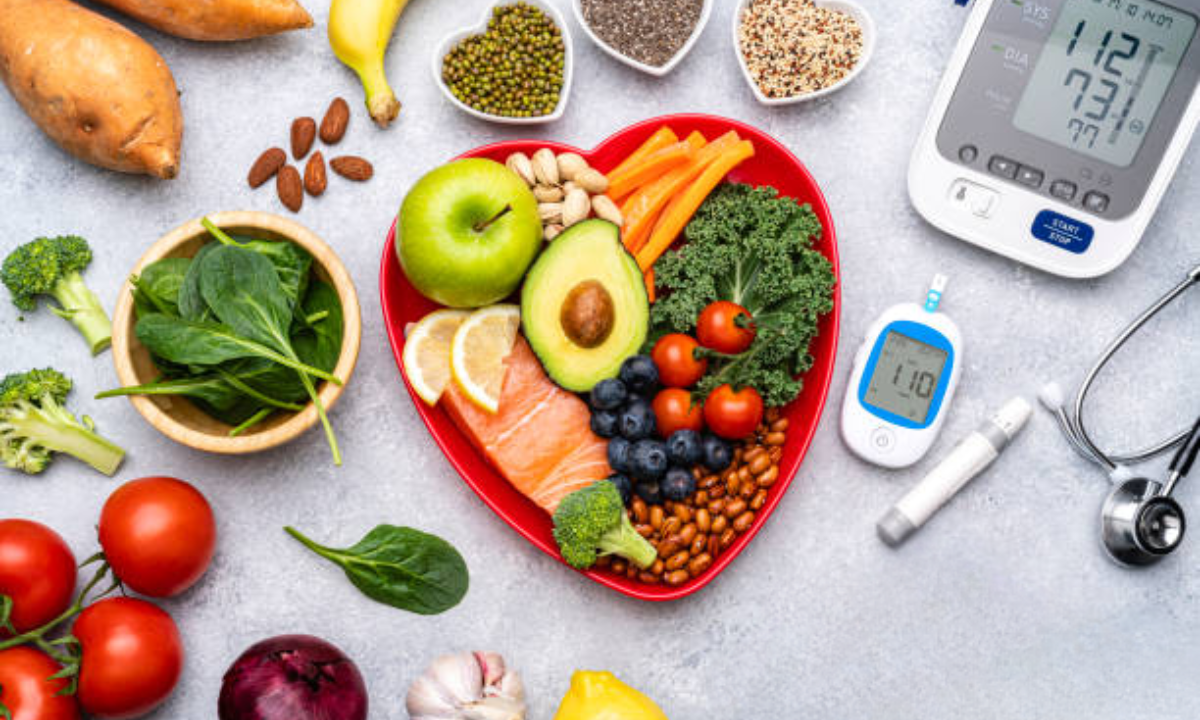
Diet tips are the foundation of managing conditions like diabetes and hypertension. The food you eat directly impacts blood sugar and blood pressure, so even small changes can make a big difference.
I’m Avni Kaul, a nutritionist and founder of Nutri Activania, and I have worked with many clients on diabetes management and blood pressure control. What I have seen is that there’s no “one-size-fits-all” plan; effective dietary management must be personalized and practical.
In this blog, I will share the best diet tips for diabetes and high blood pressure, show how a diabetes Dietician and a nutritionist for hypertension can guide you, and even include a sample hypertension diet chart to get you started.
Understanding Diabetes and Blood Pressure Together
Both diabetes and hypertension are among the common lifestyle diseases. They often occur together, which makes management even more important.
- Diabetes management revolves around keeping blood sugar levels steady and avoiding sudden spikes or drops.
- Hypertension management focuses on lowering excess pressure on the arteries and protecting the heart and kidneys.
When left unmanaged, both conditions increase risks for stroke, kidney failure, and heart disease. The good news? With the right food and lifestyle strategies, you can control both.
What is a normal random blood sugar?
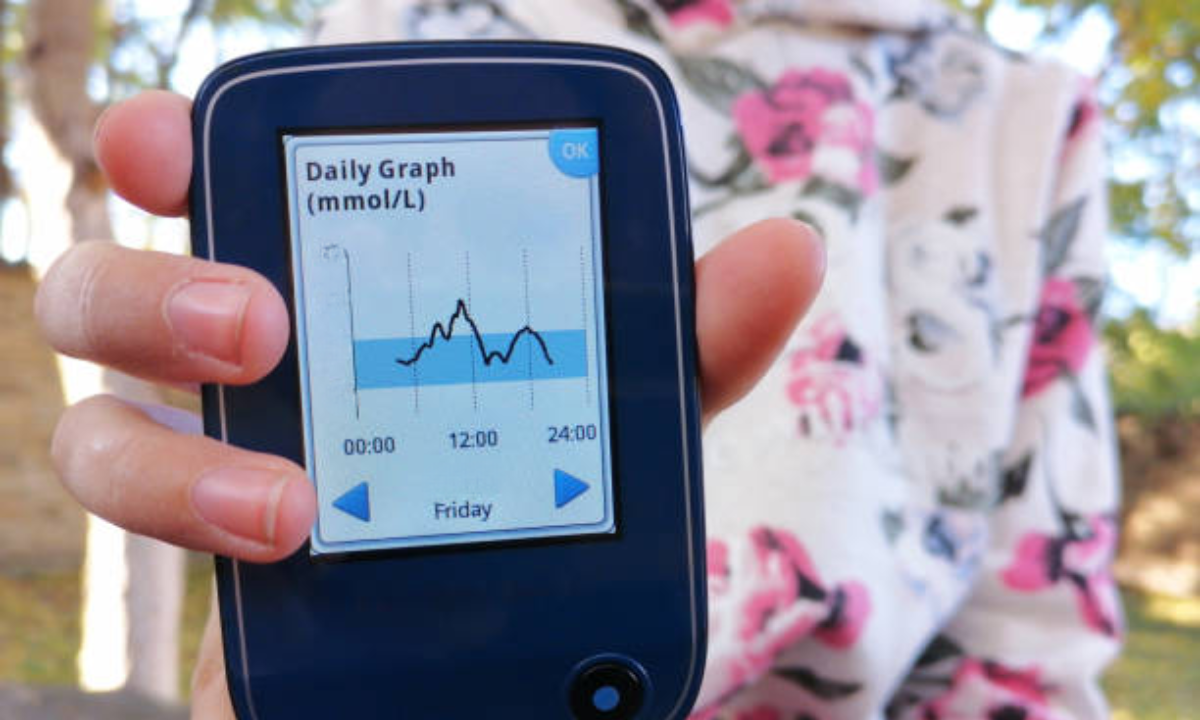
Before we jump into diet tips, it’s important to know your numbers.
- Normal random blood sugar: below 140 mg/dL
- Prediabetes range: 140–199 mg/dL
- Diabetes diagnosis: 200 mg/dL or higher
Keeping your sugar within a healthy range prevents complications and helps medicines (if prescribed) work better.
Role of a Nutrition Expert in Dietary Management

As a nutritionist in Delhi, I often see people trying generic diets from the internet. The problem is, what works for one person may not suit another.
That’s where dietary management with a professional comes in. A diabetes Dietician can help you balance carbohydrates, proteins, and fats, while a nutritionist for hypertension focuses on controlling sodium and increasing potassium. Together, these plans can be customized to your routine, work schedule, and cultural food preferences.
Best Diet Tips for Diabetes and High Blood Pressure
Here are my top, practical diet tips for managing both conditions:
- Portion Control is Key
- Fill half your plate with vegetables, one-fourth with whole grains, and one-fourth with lean protein.
- This helps balance blood sugar and blood pressure naturally.
- Choose Low-Glycemic-Index (GI) Foods
- Opt for oats, brown rice, quinoa, and multigrain chapatis.
- These release glucose slowly, preventing sudden spikes.
- Reduce Salt but Don’t Skip It Entirely
- Excess salt raises blood pressure, but very low salt may cause dizziness in some.
- Stick to natural flavoring with herbs, lemon, and spices.
- Include Potassium-Rich Foods
- Bananas, spinach, sweet potatoes, and coconut water help lower blood pressure.
- Bananas, spinach, sweet potatoes, and coconut water help lower blood pressure.
- Stay Hydrated
- Dehydration makes both blood sugar and blood pressure fluctuate.
- Drink water, but avoid sugary beverages.
- Don’t Skip Meals
- Long gaps lead to sugar dips and overeating later.
- Instead, eat small, frequent meals.
Tip: Always check labels on packaged foods. Hidden salt and sugar are often the main culprits.
Hypertension Diet Chart (Sample One-Day Plan)
Here’s a simple chart that works as a foundation:
| Meal | Foods to Include | Example Option |
| Breakfast | High-fiber and protein | Vegetable oats upma and boiled egg |
| Mid-morning | Fruit and nuts | An apple and a handful of almonds |
| Lunch | Whole grains, veggies, and protein | 2 rotis, dal, mixed veggie sabzi, and salad |
| Evening snack | Light, low-salt | Roasted chana and green tea |
| Dinner | Lean protein and veggies | Grilled fish/tofu, sautéed spinach, and quinoa |
| Bedtime | Optional light | Warm turmeric milk (sugar-free) |
Tip: Eating dinner earlier (around 7:30–8 pm) helps digestion and better sugar control.
Key Foods to Add to Your Diet
- For diabetes management: whole grains, legumes, non-starchy vegetables, seeds (chia, flax), and lean proteins.
- For Blood Pressure Control: potassium-rich foods, low-fat dairy, green leafy vegetables, and unsalted nuts.
Foods to Avoid or Limit
- Avoid sugary drinks, sweets, and refined carbs like white bread.
- Deep-fried foods and processed snacks.
- Packaged pickles, sauces, and chips (hidden salt).
- Excess red meat and full-fat dairy.
Obesity, Diabetes, and Hypertension Connection
Many people don’t realize that being overweight worsens both conditions. Obesity increases insulin resistance and raises blood pressure.
Simple Steps for Weight-Friendly Eating:
- Avoid fried snacks and sweetened beverages.
- Focus on portion sizes.
- Add 30 minutes of daily physical activity.
- Prioritize sleep; lack of it increases cravings.
Practical Lifestyle Tips Along with Diet
- Eat on time and avoid late-night snacking.
- Practice stress management (yoga, meditation, or deep breathing).
- Get at least 7–8 hours of sleep.
- Monitor your sugar and blood pressure regularly at home.
- Consult a Dietician in Delhi if you want a structured plan.
Sample Balanced Meal Plan for Diabetes and Hypertension
| Meal | Foods |
| Breakfast | Vegetable poha and curd (for probiotics) |
| Mid-morning | Seasonal fruit and 5 soaked walnuts |
| Lunch | 2 multigrain rotis, dal, stir-fried veggies, and a salad |
| Evening snack | Green tea and roasted makhana |
| Dinner | Grilled paneer/fish, sautéed broccoli and brown rice |
FAQs
Q1: Can diet alone control diabetes and blood pressure?
A: In many cases, yes. But sometimes medicines are also required. Dietary management works best when combined with lifestyle changes.
Q2: What is the first step in diabetes management through diet?
A: Start by reducing refined carbs and sugar. Replace them with whole grains and high-fibre foods.
Q3: How often should I check my normal random blood sugar?
A: If you are prediabetic or diabetic, check as advised by your doctor, often once daily or a few times a week.
Q4: Should I follow the same diet chart for hypertension and diabetes?
A: Not exactly. They overlap, but a nutritionist for hypertension and a diabetes Dietician may adjust specifics like salt intake and carb portions.
Q5: What’s the biggest mistake people make while dieting for these conditions?
A: Crash dieting or skipping meals. It leads to unstable sugar and worsens health in the long run.
Final Thoughts
Managing diabetes and high blood pressure is not about avoiding all your favorite foods; it’s about making smarter swaps and building habits that last.
As the best nutritionist in Delhi, I, Avni Kaul, believe in creating simple, personalized dietary management plans that suit your lifestyle. At Nutri Activania, I have helped countless people improve their health with the right approach to food and nutrition.
With the right diet tips, you can stabilize blood sugar, lower blood pressure, and enjoy a healthier, more energetic life.