

High blood pressure impacts several billion people globally, and that number is growing.
Actually, the number of people who have high blood pressure has doubled in the last 4 decades, a serious health issue, as spiked blood pressure is linked to a broader risk of conditions like heart disease, kidney problems, and stroke points out Dietician Avni.
As your diet plays a significant role in the formation of high blood pressure, Dieticians and several medical policymakers have formed specific dietary strategies to help lower it.
This write-up by an eminent Dietician for hypertension, Avni Kaul, talks about the DASH diet, which was formulated to counter high blood pressure and lower people’s risk of heart disease.
DASH Diet
DASH or Dietary Approaches to Stop Hypertension is a diet recommended for those who want to prevent and treat hypertension also known as high blood pressure — and lower their risk of heart disease.
The DASH diet concentrates on fruits, vegetables, whole grains, and lean meats. The diet was made after researchers saw that high blood pressure was a lot less common in those who followed a plant-based diet, like the vegans and vegetarians.
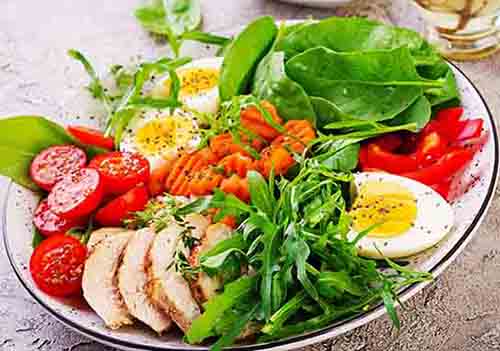
This is why the DASH diet stresses fruits and vegetables while including certain lean protein sources such as chicken, fish, and beans. The diet is low in quantity when one talks of red meat, salt, added sugars, and fat. It is believed that one of the major factors people with high blood pressure could benefit from this diet is reduction in salt intake.
The normal DASH diet program encourages no more than one teaspoon (2,300 mg) of sodium each day, which is in line with the majority of the guidelines. The reduced-salt version recommends no more than 3/4th teaspoon (1,500 mg) of sodium each day.
Possible benefits of the DASH Diet
Besides lowering blood pressure, the DASH diet provides numerous potential benefits, such as weight loss and lower cancer risk.
However, you must not expect the DASH diet to help you reduce weight on its own — as it was designed mainly to decrease blood pressure. Weight loss might simply be an extra perk. The diet affects your body in multiple ways.
Reduces blood pressure
Blood pressure is a measure of the force exerted on our blood vessels and organs as the blood passes through them. It is counted in two numbers:
Systolic pressure: The pressure in the blood vessels when the heart beats.
Diastolic pressure: The pressure in the blood vessels between heartbeats, when the heart is at rest.
Normal blood pressure reading for adults is a systolic pressure below 120 mmHg and a diastolic pressure below 80 mmHg. This is usually, written with the systolic blood pressure above the diastolic pressure, such as 120/80.
People who have a blood pressure reading of 140/90 or more are considered to suffer from high blood pressure. Interestingly, the DASH diet demonstrably reduces blood pressure in both healthy people and those having high blood pressure.
In studies, people on the DASH diet experienced reduced blood pressure even if they did not reduce weight or restrict salt consumption.
However, when sodium intake was restricted, the DASH diet lowered blood pressure even further. In fact, the top reductions in blood pressure were seen in those with the lowest salt consumption.
The low-salt DASH diet results were most impressive in those who had high blood pressure, decreasing systolic blood pressure by an average of 12 mmHg and diastolic blood pressure by 5 mmHg. For individuals with normal blood pressure, it lowered systolic blood pressure by 4 mmHg and diastolic by 2 mmHg. This is in line with other studies which disclosed that reducing salt intake could reduce blood pressure — particularly, in those who are suffering from high blood pressure. Bear in mind that lower blood pressure does not always translate to a lesser risk of heart disease.
Will it work for all?
Though studies on the DASH diet resulted in the biggest reductions in blood pressure in those with the lowest salt consumption, the benefits of salt reduction on health and lifespan are not clear-cut.
For individuals having high blood pressure, lowering salt intake greatly affects blood pressure. However, in people having normal blood pressure, the impacts of reducing salt intake are pretty smaller.
The theory that specific people are salt sensitive — meaning that salt puts a greater influence on their blood pressure — could partially explain this.
Also, consuming very little salt has been associated with health issues, like increased heart disease, fluid retention, and insulin resistance. This diet does not recommend having more than 3/4th of a teaspoon of salt each day. But, it is still not clear whether there is any benefit to reducing salt consumption even in those not having high blood pressure. However, several people who eat excess salt, lowering salt consumption for them could be beneficial.
This could also be achieved by decreasing processed food and increasing whole foods.
P.S. It is not a good idea to start a diet on your own. A diet also depends on various other factors which may not be beneficial to everyone. It is, therefore, advisable to consult a qualified Dietician before adopting any diet plan.