
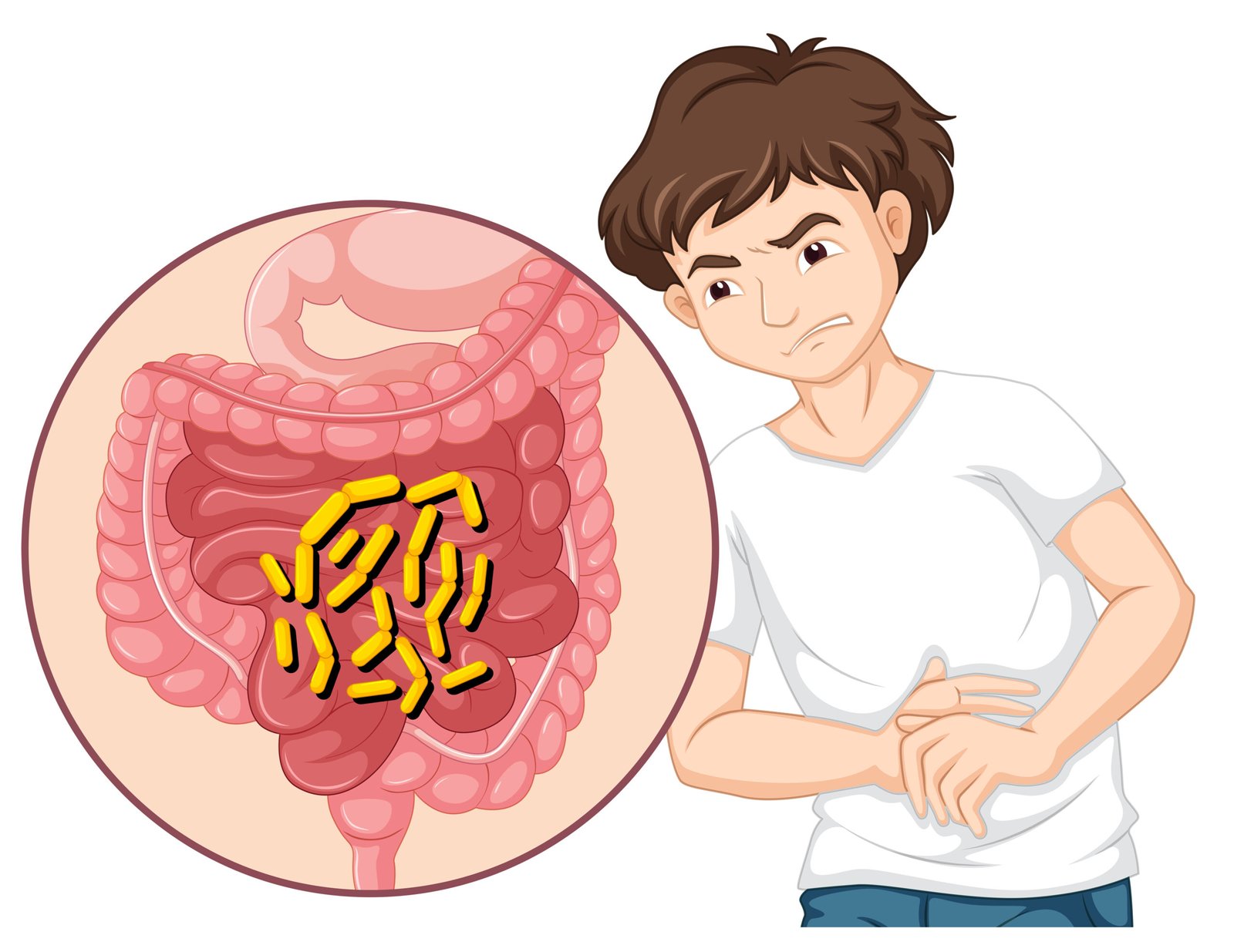
Living with Irritable Bowel Syndrome (IBS) can present daily challenges, affecting everything from your work to your social life. The discomfort of symptoms like cramping, diarrhoea, gas, and bloating can be overwhelming. However, understanding the role of diet in managing IBS can offer a ray of hope. With the right food choices, tailored guidance, and support from healthcare professionals, you can significantly alleviate IBS symptoms and improve your quality of life. Let us explore the best foods to eat when you have IBS with the leading Dietician and nutritionist for gastrointestinal or digestive disorders Avni Kaul.

What sort of foods can provide relief for Irritable Bowel Syndrome?
Add fiber to your diet – Adding fibre to your diet can ease IBS symptoms by softening stool and aiding digestion. There are two types of fiber: soluble and insoluble. Soluble fiber, found in beans, fruit, and oats, is particularly beneficial for IBS. It helps regulate bowel movements and relieves constipation. However, too much insoluble fibre, found in nuts and whole grains, can worsen diarrhoea in some cases. Therefore, it is important to gradually increase fiber intake and focus on soluble fiber sources to manage IBS effectively.
Take probiotic-rich food – Probiotic-rich foods like yoghurt, sauerkraut, and kimchi contain good bacteria called probiotics. These microorganisms can help ease symptoms of Irritable Bowel Syndrome (IBS). They work by restoring balance in the gut microbiome, which can improve stool consistency, reduce bowel movement frequency, and alleviate overall IBS symptoms. Probiotics also inhibit harmful bacteria growth, decrease inflammation, and slow down digestion, contributing to symptom relief in IBS patients.
Follow a low FODMAP diet – A low FODMAP (Fermentable Oligosaccharides, Disaccharides, Monosaccharides And Polyols) diet reduces bloating, gas, and diarrhea in IBS by limiting certain carbs that ferment easily. Foods like bananas, blueberries, and kiwi are safe, while apples and cherries should be avoided. Lactose-free milk, rice milk, and hard cheeses replace regular dairy. Veggies like carrots, cucumbers, and potatoes are good choices. Protein sources include beef, chicken, and tofu. Nuts like almonds and walnuts, along with grains such as oats and quinoa, are recommended. This diet helps identify individual triggers and allows enjoying other foods without symptoms.
Choose lean meat – Including lean protein foods like white meat chicken, turkey, beef cuts like sirloin or filet, fish, and tofu in your diet can help ease IBS symptoms. These proteins are easy on the stomach and provide important nutrients like iron and B vitamins. It is important to pick lean cuts of meat and avoid processed meats like sausage and bacon, which can make IBS symptoms worse. Fatty meats can cause inflammation in the gut, making symptoms more severe. Dark chicken or turkey meat might not be suitable for some people with IBS.
Eggs – Eggs are a great choice for people with IBS because they are easy to digest. You can have them boiled, scrambled, or poached. They are good for any meal, even when you eat out. But remember, not everyone’s body reacts the same to eggs. Some might have trouble with the proteins in the egg whites, while others might find the yolks fatty. You might need to try different ways of cooking eggs to see what works best for you. Eggs are packed with protein, vitamins like B12, and iron. They are also low in FODMAPs, which makes them a safe and versatile option for your diet.
Colourful bell peppers – Bell peppers are gentle on your tummy if you have IBS. They are packed with water and fibre, which help your poop move smoothly through your gut. Plus, they come in red, yellow, and green, making your dish colourful! These peppers also give you lots of Vitamin C, fighting inflammation and protecting your gut from harm. So, they are a tasty way to ease bloating and discomfort. This is how a thoughtful approach to nutrition can make a world of difference for those managing IBS. By incorporating fibre-rich foods, probiotics, and lean proteins while navigating a low FODMAP diet, individuals can find relief and enjoy a diverse, delicious, and gut-friendly diet.



