
Winter is the season for enjoying good nourishing hot meals which improves the body’s immunity. One needs to eat healthy food to keep oneself warm and comfortable during winters. Some of the common spices/ vegetables and other foods that should be eaten during winters are :
- Cinnamon :Cinnamon contains essential oils that have anti-inflammatory and anti-microbial properties. It adds flavor to almost all recipes and brings warmth. Some studies also show that it brings down cholesterol levels and also decreases insulin resistance.
- Citrus : Citrus fruits like oranges , grape fruit, lemon and lime provide enough Vitamin C in addition to tangy flavours. Amla or Indian gooseberry is among the richest source of Vitamin C . It is good for liver, digestion, skin , hair and controls acidity, blood sugar and cholesterol.
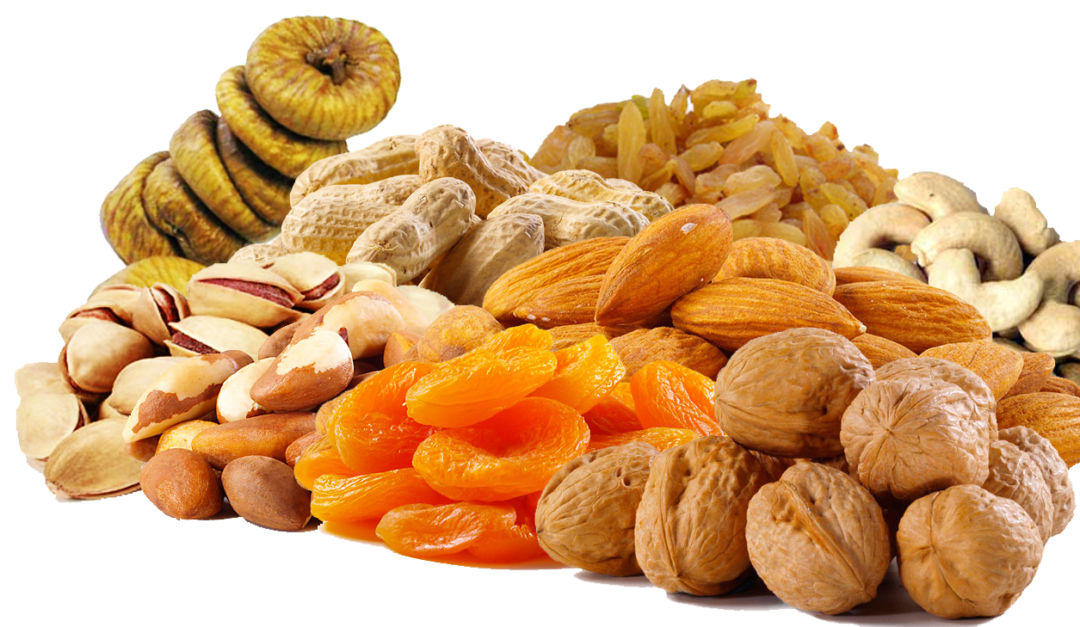
- Walnuts: Walnuts are rich in alpha- linolenic acid (ALA) which is an Omega 3 fat boosting heart health. Dry fruits like dried figs, apricots and dates as well as seeds like sesame seeds and flaxseeds provide natural warmth to the body.
- Sweet Potato: They are rich in Vitamin A, VitaminC , calcium and potassium. They also have Vitamin B, iron and phytochemicals which help in fighting cancer as well
- Ginger: Ginger keeps one warm during winter,boosts metabolism and promotes blood flow. Regular intake in small quantities cures ulcers, mild fever, acidity , common cold, cough and aids digestion. Ginger can be added to a cup of tea or any curry to enhance taste and its medicinal properties.
- Turmeric: Turmeric is another common spice which is always added to dal and curry regularly made in Indian households. A pinch of turmeric boiled with milk and taken warm reduces inflammation in body. It also keeps one warm in winter.
- Jaggery: Jaggery is a good substitute for artificial sugar in one’s diet. It keeps the sugars in the body well balanced since it is unrefined itself. It contains a number ofvitamins and minerals like phosphorus, iron, magnesium and potassium. It provides a natural cure for cough, cold migraine, asthma, fatigue and indigestion specially when eaten with fresh ginger. It generates enough heat in the body keeping one warm during winters.
- Eggs: Eating an egg everyday in winter keeps one warm and energetic. It is rich in protein and vitamins which boosts immunity
- Honey :Honey is considered to be a warm food and therefore it must be included in a winter diet. It contains easy to digest sugar and small quantities of antigens which remedy and prevent cough and cold.
- Root Vegetables and Green Leafy Vegetables: Spinach, fenugreek (methi), mustard (sarson), green beans, carrots, turnips and peas are all widely eaten in winter and they are rich in vitamins and anti oxidants that build immunity.
- Ghee: Ghee is rich in anti-oxidants and helps in absorbing vitamins and minerals from other foods. It is good for skin and hair and helps in building tissues. It lubricates one’s joints and tissues and helps the liverdigest fat soluble vitamins like Vitamin A, K,D and E.
- Garlic: Garlic controls blood pressure and ensures proper blood flow in the body. It also helps keeping one warm and energetic and therefore it should definitely be added to a winter meal.
- MustardOil :Mustard Oil has anti-bacterial ,anti-inflammatory properties and anti-septic properties besides improving the metabolism rate. It is rich in micronutrients like selenium, magnesium, zinc , manganese, calcium and Omega. It is good for skin and hair too and can be used to cook food and also for application.
- Saffron: Saffron or kesar can be boiled in milk with raisins and almonds in winters and can be consumed to enhance the immunity. Application of milk cream mixed with saffron makes the skin clean and glow with radiance.
- Nutmeg: Nutmeg in a powder form should ideally be added to all food items prepared in winter because it is believed to be the warmest of all spices.
written by Avni Kaul – Nutritionist and Wellness Coach