

Understanding Food Intolerance and Digestive Health
Digestive health plays a critical role in overall wellness, and one of the most overlooked issues impacting digestion is food intolerance. Unlike allergies that trigger immediate immune responses, intolerances often cause delayed, hard-to-identify symptoms that disrupt daily life and long-term well-being. Poor digestion, bloating, cramps, or fatigue after meals may all point toward an intolerance that needs attention.
Identifying and managing food intolerance is essential to improving gastrointestinal function. From lactose intolerance diet plans to broader digestive-focused approaches, dietary adjustments can significantly improve quality of life. Understanding the underlying mechanisms that connect your gut health with how your body reacts to certain foods is the first step toward feeling better.
What is Food Intolerance?
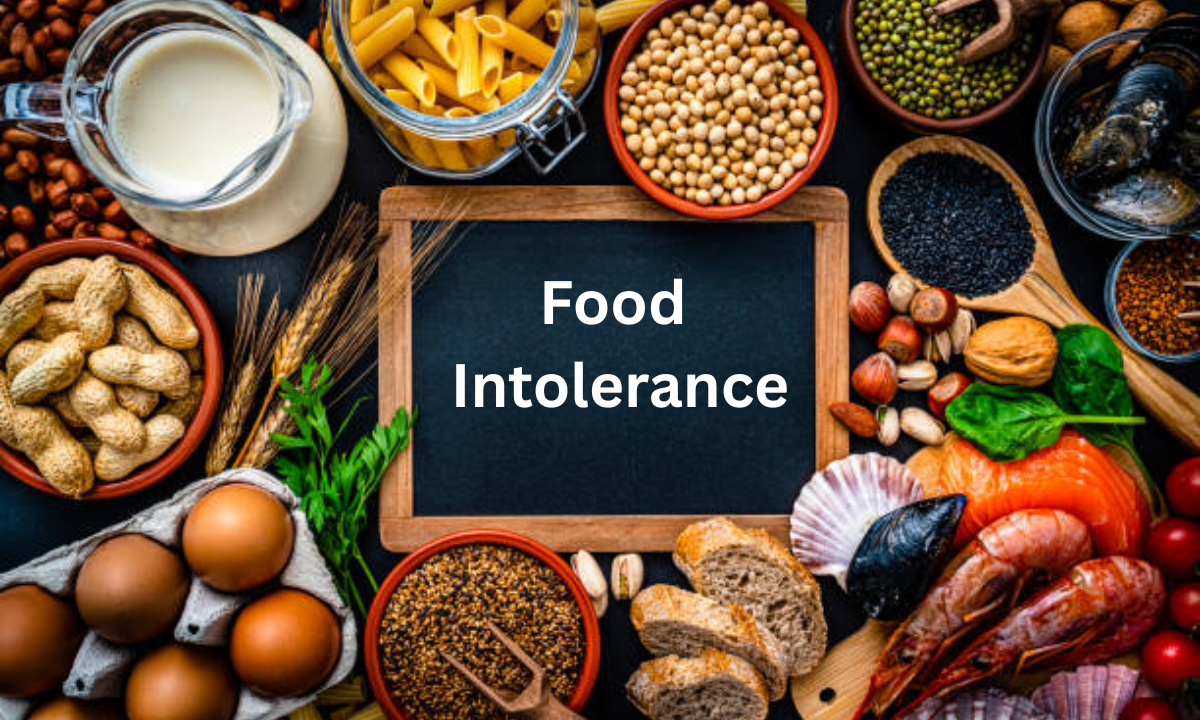
Food intolerance refers to the body’s difficulty digesting certain foods, leading to gastrointestinal or systemic symptoms. This condition does not involve the immune system, differentiating it from allergies. The symptoms are often gradual, appearing hours after consuming the problematic food. People often live with these issues without realizing that food is the root cause.
Some of the most common triggers for food intolerance include dairy, gluten, and artificial additives. Since the symptoms may vary and develop slowly, they are often misdiagnosed or ignored.
Food Intolerance Symptoms You Should Know
Food intolerance symptoms are diverse and may affect more than just the digestive tract. Common symptoms include:
- Abdominal pain and cramping
- Gas and bloating
- Nausea
- Headaches
- Skin irritations
- Fatigue
- Brain fog
Unlike food allergies, these symptoms do not result in anaphylaxis or involve the immune system, but they can still disrupt daily life and impair health over time.
The Difference Between Food Intolerance and Food Allergy
Understanding the difference between food intolerance and allergy is crucial for accurate diagnosis and treatment. While both involve adverse reactions to foods, their root causes and health risks differ significantly.
A food allergy involves the immune system and can lead to severe reactions, including life-threatening conditions.
A food intolerance, on the other hand, involves the digestive system and is typically not dangerous but uncomfortable and persistent.
Because the symptoms of food allergy and food intolerance can overlap—like nausea or abdominal discomfort—people often confuse the two. A proper evaluation by a qualified expert is necessary to determine the cause.
The Role of Gut Health in Managing Intolerances
The gut is central to your body’s ability to process and absorb nutrients. A compromised digestive system can worsen food intolerance symptoms, making it harder for your body to break down certain foods. If your digestive enzymes are imbalanced or your gut lining is inflamed, your risk of developing or aggravating food intolerances increases.
A well-functioning digestive system can mitigate some intolerance symptoms or prevent them altogether. That’s why attention to gut health, including diet, hydration, stress levels, and microbiome balance, is essential.
Lactose Intolerance and Dietary Management
Lactose intolerance is one of the most common forms of food intolerance. It occurs when the body lacks sufficient lactase, the enzyme needed to digest lactose, a sugar in dairy.
Adopting a lactose intolerance diet plan can help manage this condition effectively. This plan usually eliminates high-lactose foods and includes alternatives that are easier on digestion. A successful lactose-intolerance-free diet ensures that calcium and vitamin D needs are still met through other foods or supplements.
Careful label reading and meal planning are critical in maintaining a balanced lactose intolerance diet plan without nutritional gaps.
Diagnosis and Support from Experts
Because food intolerance symptoms are often vague and delayed, self-diagnosis can lead to unnecessary dietary restrictions or mismanagement. A structured elimination diet followed under professional guidance is often the most reliable method for identifying food intolerances.
Consulting a Gastrointestinal Dietician in Delhi can help uncover the specific food triggers affecting your digestive health. A qualified expert will evaluate your symptoms, conduct necessary assessments, and design a diet plan to manage or eliminate the problem.
Long-Term Impact of Unmanaged Food Intolerance
Ignoring or mismanaging food intolerance can lead to long-term health consequences, such as chronic inflammation, poor nutrient absorption, digestive disorders, and systemic fatigue. These issues may impair work, sleep, mental clarity, and immunity. Prolonged discomfort can also affect emotional well-being and social habits, especially when eating out becomes a challenge.
That’s why it is important to identify the problem early and work with the best Dietician and nutritionist in Delhi to craft a sustainable, personalized diet plan.
Customized Dietary Strategies for Recovery
Managing food intolerance involves more than just avoiding certain foods. A successful plan must restore gut health, reduce inflammation, and address nutrient deficiencies. A personalized approach takes into account:
- Symptom history
- Gut flora status
- Current medications
- Nutrient absorption capacity
- Lifestyle and stress levels
Tailored support from a Gastrointestinal Dietician in Delhi ensures you’re not just removing harmful foods but also healing the digestive system and improving overall nutritional status.
The Psychological Link: Food Intolerance and Mental Health
Unresolved food intolerance symptoms don’t just affect the stomach—they can affect your brain too. Brain fog, mood swings, anxiety, and even mild depression can all be linked to gut inflammation and poor nutrient absorption. This connection between the gut and brain underscores the importance of treating food intolerance not just as a dietary issue, but as a whole-body concern.
A comprehensive plan that supports both digestion and mental clarity can significantly enhance quality of life.
Conclusion
Addressing food intolerance is essential to maintaining strong digestive health, balanced energy, and improved well-being. From understanding the difference between food intolerance and food allergy to implementing a focused lactose intolerance diet plan, managing these conditions requires expert insight and careful attention to detail.
For those seeking professional guidance, Nutri Activania offers specialized nutritional care and expert consultations to help you address food allergy and food intolerance through science-based, personalized plans. Whether you’re looking for a Gastrointestinal Dietician in Delhi or the best Dietician and nutritionist in Delhi, Nutri Activania provides trusted solutions tailored to your unique needs.