
Cholesterol is formed in your liver and has many significant functions. For instance, it assists to keep the walls of your cells flexible and is required to make several hormones.
However, like any other thing inside your body, too much cholesterol or cholesterol in improper places develop problems.
Like fat, cholesterol also does not dissolve in water. In fact, its transport in the body depends on molecules known as lipoproteins, which bear cholesterol, fat and fat-soluble vitamins in the blood.
Nutritionist Avni Kaul says various kinds of lipoproteins have several effects on health. Like high levels of low-density lipoprotein (LDL) result in deposition of cholesterol in blood vessel walls, which can lead to clogged arteries, strokes, heart attacks and failure of the kidney. Whereas, high-density lipoprotein (HDL) assists carry cholesterol away from vessel walls and bad LDL cholesterol.
In this article, Delhi’s top dietician and nutritionist Avni Kaul shares natural ways to lower cholesterol.
Focus On Monounsaturated Fats
As averse to saturated fats, unsaturated fats have minimum one double chemical bond that changes the way they are used inside the body. Monounsaturated fats have a single double bond.
Although few suggests a low-fat diet for weight loss, low-fat diet decreases levels of harmful LDL but also reduces beneficial HDL.
In contradiction, a diet rich in monounsaturated fats reduced harmful LDL, but also protected high levels of healthy HDL.
Monounsaturated fats also reduce the oxidation of lipoproteins, which supports to clogged arteries. Replacing polyunsaturated fats with monounsaturated fats in your diet reduces the oxidation of fats and cholesterol.
Overall, monounsaturated fats are healthy because they reduce harmful LDL cholesterol, increase good HDL cholesterol and lowers harmful oxidation.
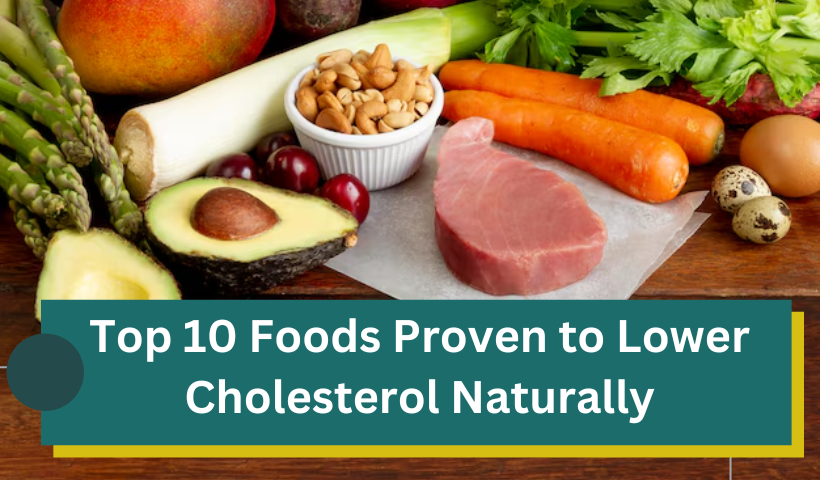
Safflower oil, almonds, sunflower seeds and cashews are top sources of monounsaturated fats.
Use Polyunsaturated Fats, Particularly Omega-3
Polyunsaturated fats have numerous double bonds that make them perform differently in the body than saturated fats. Polyunsaturated fats lowers “bad” LDL cholesterol and reduces the risk of heart disease.
Polyunsaturated fats are also responsible to reduce the risk of metabolic syndrome and type 2 diabetes.
Omega-3 fatty acids are an especially heart-healthy type of polyunsaturated fat. They are found in seafood and fish oil supplements.
Omega-3 fats are found in good amounts in fatty fish like salmon, herring, mackerel, and deep-sea tuna-like bluefin or albacore, and to a certain degree in shellfish including shrimp.
Eat Soluble Fiber
Soluble fiber is a group of several compounds in plants that dissolve in water and which humans can’t digest.
However, the beneficial bacteria that live in your intestines can digest soluble fiber. In fact, they need it for their own nutrition. These good bacteria, also known as probiotics, decreases both harmful kinds of lipoproteins, LDL and VLDL.
Soluble fiber can also assist increase the cholesterol benefits of taking a statin medication.
Soluble fibers reduce the risk of disease. Some of the best sources of soluble fiber are turnips, pears, peas, oats whole grains.
Avoid Trans Fat
Trans fats are unsaturated fats that have been modified through a process called hydrogenation.
This is done to create the unsaturated fats in vegetable oils more stable as an ingredient. Most kinds of margarine and shortenings are made of partially hydrogenated oils.
The resulting trans fats are not completely saturated, but are solid at room temperatures. This is why food manufacturers have used trans fats in products like spreads, pastries, cookies, and pastries as they provide more texture than unsaturated, liquid oils.
Sadly, partially hydrogenated trans fats are handled differently in the body as compared to other fats and not in a good way. Trans fats increase total cholesterol and LDL, but decrease beneficial HDL.
In some countries, food companies are supposed to list the amount of trans fats in their products on nutrition labels.
However, these labels could be misleading, because they are allowed to round down when the amount of trans fat per serving is lower than 0.5 grams. This indicates some foods contain trans fats even though their labels say “0 grams of trans fat per serving.”
To avoid this trickery, read the ingredients in addition to the nutrition label. If a product says partially hydrogenated oil, it has trans fats and must be avoided.
Exercise
Exercise is great for heart health. Not only it improves physical fitness and helps fight obesity, but it also lowers harmful LDL and enhances beneficial HDL
Generally, aerobic activity raises the heart rate to about 75% of its maximum. Resistance training has to be 50% of maximum effort.
Activity that raises the heart rate to 85% of its maximum enhances HDL and also reduces LDL. The longer the duration, the better the effects
Resistance exercises can reduce LDL even at a modest intensity. At maximum effort, it also increases HDL. Adding the number of sets or repetitions increases the advantages.
P.S. Please note that you should consult with your doctor or a reputed dietician before starting any diet or fitness regimen. You need to remember that not all exercises are suitable or beneficial for different body or health conditions.