
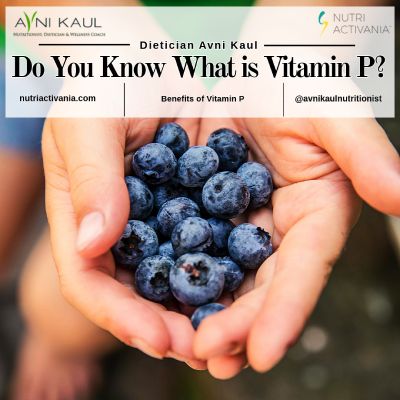
Vitamin P, also known as bioflavonoids or flavonoids, isn’t technically a vitamin, but this powerful group of plant compounds found in colorful fruits, vegetables, tea, and dark chocolate offers impressive health benefits. Rich in antioxidants and anti-inflammatory properties, vitamin P supports heart health, strengthens immunity, improves brain function, and may even help prevent chronic diseases like diabetes and cancer.
In the vast landscape of nutrition, there exists a lesser-known but vitally important group of compounds known as bioflavonoids, often referred to as Vitamin P. Although not classified as a vitamin in the traditional sense, bioflavonoids play a crucial role in maintaining good health and enhancing the effectiveness of other nutrients, particularly Vitamin C. This article delves into what Vitamin P is, its sources and the myriad health benefits it offers as explained by Avni Kaul, who is one of the best Dietician in India and an expert weight loss nutritionist.
What is Vitamin P?
Vitamin P, or bioflavonoids, encompasses a diverse range of compounds naturally found in plants. These compounds are responsible for the vivid colours in fruits and vegetables and have been extensively studied for their antioxidant properties. Some common types of bioflavonoids include quercetin, rutin, hesperidin, and catechins. Despite their importance, bioflavonoids are not synthesized by the human body and must be obtained through diet.
What are the Sources of Vitamin P?
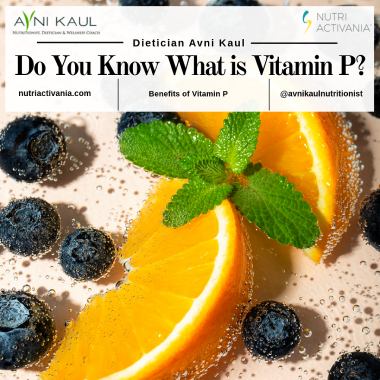
- Citrus fruits: Oranges, lemons, limes, and grapefruits are rich in hesperidin and rutin.
- Berries: Blueberries, strawberries, and blackberries contain high levels of anthocyanins and quercetin.
- Onions and garlic: These contain quercetin, known for its anti-inflammatory properties.
- Tea: Both green and black tea are excellent sources of catechins.
- Dark chocolate: These contain resveratrol and other beneficial flavonoids.
- Leafy greens: Kale, spinach, and other leafy vegetables are packed with various bioflavonoids.
Incorporating these foods into your diet can help ensure you receive adequate amounts of bioflavonoids.
What about the Health Benefits of Vitamin P?
Bioflavonoids offer a multitude of health benefits, making them a valuable component of a balanced diet. Here are some key advantages:
- Antioxidant Properties – Bioflavonoids are powerful antioxidants, which means they help neutralize harmful free radicals in the body. This can reduce oxidative stress, a key factor in aging and the development of various chronic diseases, including cancer and heart disease.
- Enhancing Vitamin C Absorption – One of the unique benefits of bioflavonoids is their ability to enhance the absorption and efficacy of Vitamin C. They work synergistically with Vitamin C to strengthen capillaries, improve collagen production, and boost the immune system.
- Anti-inflammatory Effects – Many bioflavonoids possess anti-inflammatory properties. Quercetin, in particular, has been shown to reduce inflammation by inhibiting the production of pro-inflammatory enzymes. This can help manage conditions such as arthritis and allergies.
- Cardiovascular Health – Regular consumption of bioflavonoids is associated with improved cardiovascular health. They help lower blood pressure, reduce cholesterol levels, and improve blood vessel function. Hesperidin, found in citrus fruits, has been shown to enhance blood flow and prevent the formation of blood clots.
- Cancer Prevention – Bioflavonoids have been studied for their potential role in cancer prevention. Their antioxidant and anti-inflammatory properties may help protect cells from DNA damage and inhibit the growth of cancerous cells.
- Immune System Support- The immune-boosting properties of bioflavonoids help enhance the body’s defence mechanisms. By supporting the function of immune cells, bioflavonoids can help reduce the severity and duration of infections.
Vitamin P, or bioflavonoids, may not be as well-known as other vitamins and minerals, but their impact on health is significant. By incorporating a variety of bioflavonoid-rich foods into your diet, you can harness their antioxidant, anti-inflammatory, and immune-boosting properties. Whether through citrus fruits, berries, tea, or leafy greens, embracing the power of bioflavonoids can contribute to a healthier and more vibrant life.