
An insulin resistance diet program is a structured nutrition plan aimed at improving how efficiently the body responds to insulin, often before blood sugar readings even qualify as prediabetes. Avni Kaul, a dietician in Delhi, builds these programs for patients showing early signs of insulin resistance, using blood work, weight patterns, and lifestyle factors to address the underlying issue rather than waiting for it to progress further.
Insulin resistance rarely gets the attention it deserves. Unlike prediabetes or type 2 diabetes, it does not always show up clearly on a standard blood sugar test, which means it is often missed until it has already progressed. Catching it early, through the right combination of symptoms, blood markers, and dietary intervention, gives patients a genuine chance to reverse it before it develops into something harder to manage.
What Insulin Resistance Actually Is
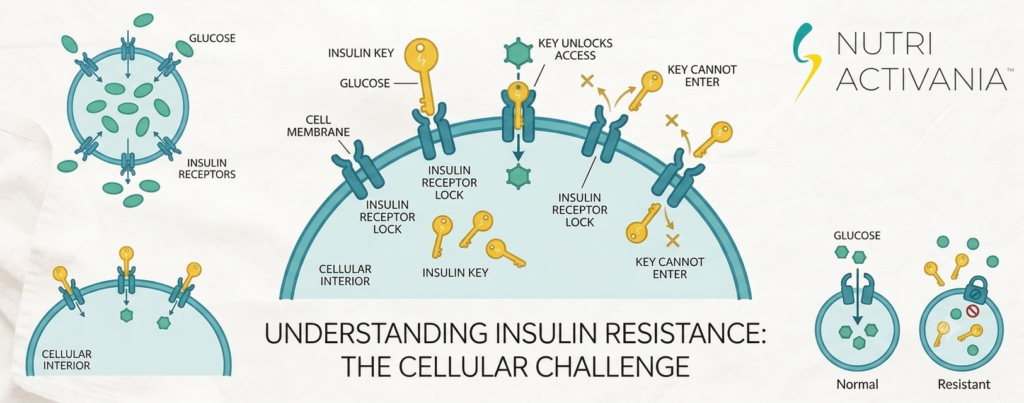
Insulin resistance occurs when the body’s cells stop responding properly to insulin, the hormone responsible for moving sugar out of the bloodstream and into cells for energy. To compensate, the pancreas produces more insulin than usual. For a while, this compensation keeps blood sugar readings looking normal, even though the underlying problem is already present.
This is why insulin resistance can exist for years before it shows up as prediabetes or type 2 diabetes on a standard test. Common signs include weight gain around the abdomen, difficulty losing weight despite effort, fatigue after meals, sugar cravings, and in women, irregular cycles linked to PCOS. None of these signs alone confirms insulin resistance, but together with specific blood markers, such as fasting insulin levels, they build a clearer picture than a standard glucose test alone.
Why Diet Is the Primary Tool for Insulin Resistance
Unlike type 1 diabetes, where diet supports insulin therapy rather than replacing it, insulin resistance responds directly to dietary and lifestyle change. This makes nutrition the primary intervention, often before medication is considered at all.
A structured insulin resistance diet program typically works by:
- Reducing the frequency and size of blood sugar spikes, which lowers the demand on insulin production
- Supporting gradual, sustainable weight loss where excess weight is contributing to the resistance
- Improving how efficiently cells respond to insulin over time, through consistent dietary patterns
- Addressing related markers such as triglycerides and cholesterol, which are often affected alongside insulin resistance
- Reducing the likelihood of progression to prediabetes or type 2 diabetes
Because insulin resistance often develops silently over years, reversing it also tends to take sustained effort over months rather than a quick fix. A structured program gives that effort direction, rather than leaving the patient guessing.
How an Insulin Resistance Diet Program Is Built
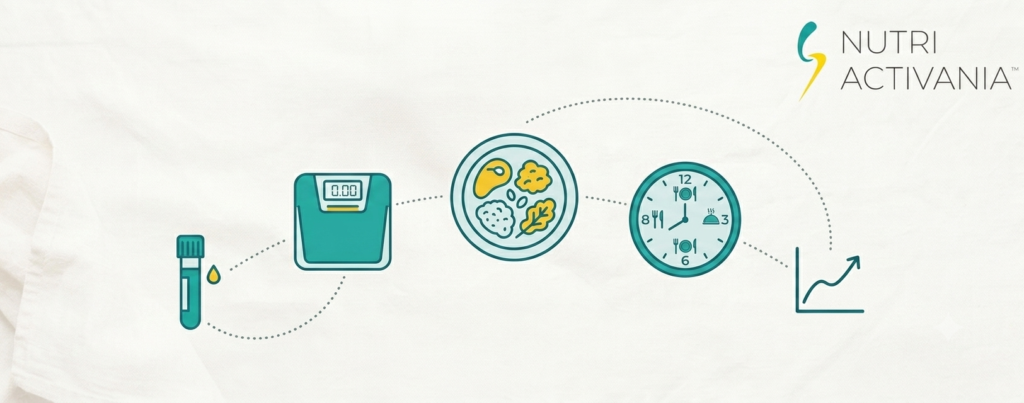
Step 1: Blood work and symptom review. The program begins with a review of fasting glucose, fasting insulin, HbA1c, and lipid profile, alongside symptoms such as abdominal weight gain, fatigue, or irregular cycles. This combination gives a clearer picture than glucose readings alone.
Step 2: Weight and body composition assessment. Since excess weight, particularly around the abdomen, is closely linked to insulin resistance, current weight and body composition are assessed to set a realistic, gradual target.
Step 3: Carbohydrate quality and timing review. Rather than cutting carbohydrates broadly, the program focuses on the type and timing of carbohydrates eaten, favouring slow-release sources over refined ones and spacing them to avoid repeated spikes through the day.
Step 4: Meal structuring for consistent insulin demand. Meals are structured to avoid large, infrequent servings that place sudden demand on insulin production, favouring smaller, more balanced meals spaced through the day instead.
Step 5: Ongoing monitoring against blood markers. Progress is tracked through periodic blood work, typically fasting insulin and glucose, every few months, since insulin resistance improves gradually rather than dramatically.
What the Diet Typically Includes

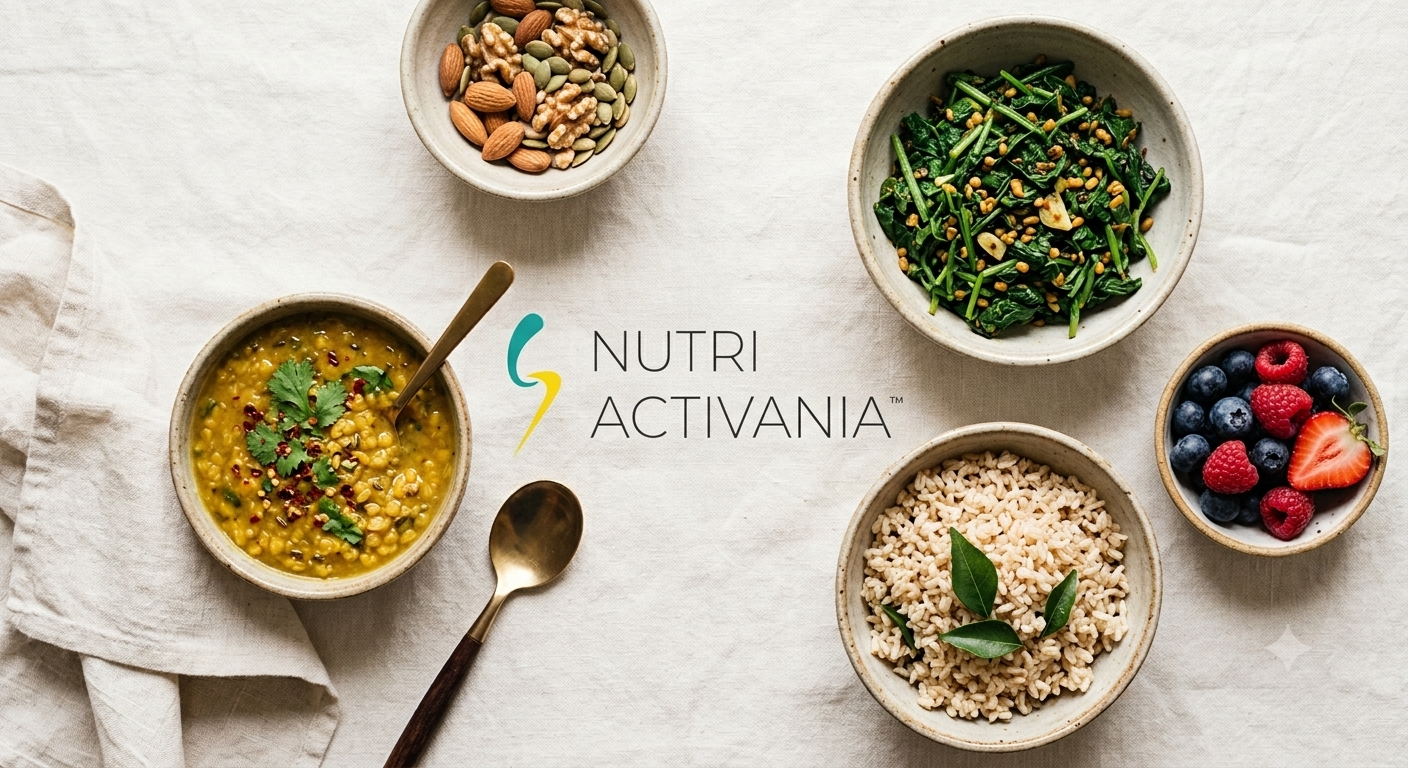
Foods generally emphasised in an insulin resistance diet program:
- High-fibre vegetables and legumes, which slow glucose absorption
- Whole grains in place of refined grains, in measured portions
- Lean protein at each meal, from dal, eggs, paneer, and fish
- Healthy fats from nuts, seeds, and cold-pressed oils
- Low-glycaemic fruits, spaced away from other carbohydrate-heavy meals
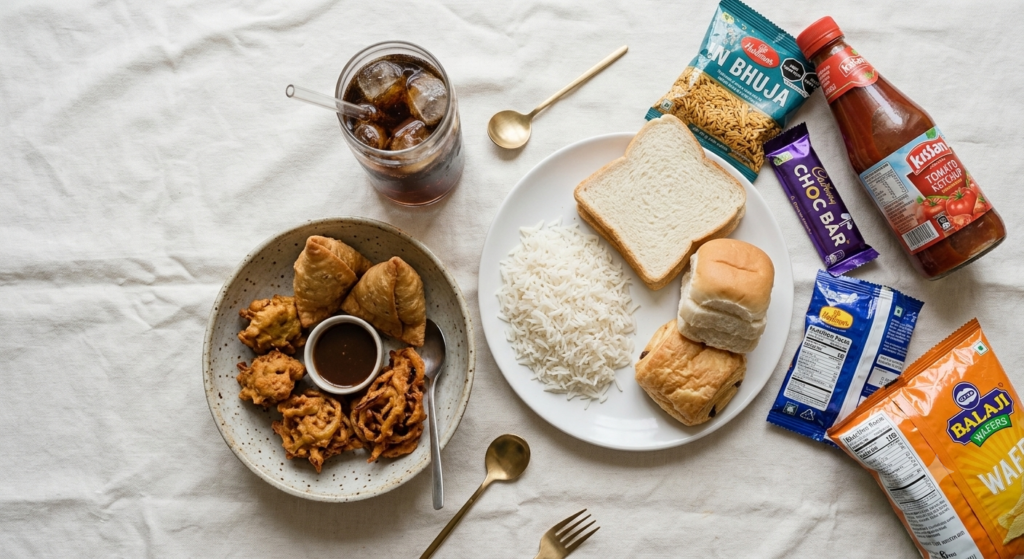
Foods generally reduced:
- Refined carbohydrates and sugary beverages
- Deep-fried and highly processed foods
- Large portions of white rice or refined flour
- Packaged snacks and sauces with hidden sugar
Alongside diet, modest physical activity is usually recommended, since movement improves insulin sensitivity independently of weight loss. This is typically discussed as part of the program rather than treated as a separate concern.
Who Should Consider an Insulin Resistance Diet Program
- People with a family history of type 2 diabetes who want to intervene before diagnosis
- People experiencing unexplained fatigue, sugar cravings, or difficulty losing weight
- Women with PCOS, since insulin resistance is closely linked to the condition
- People carrying excess weight around the abdomen, even with normal glucose readings
- Anyone with fasting insulin levels flagged as elevated, even where glucose and HbA1c appear normal
This last group is often overlooked, since standard check-ups do not always include fasting insulin testing. Patients with a strong family history or clear symptoms may benefit from asking specifically for this test, rather than relying on glucose readings alone.
Why Choose Avni Kaul for an Insulin Resistance Diet Program
Avni Kaul is a Gold Medallist from the University of Delhi and received the Best Dietician Award in 2019. Her approach to insulin resistance nutrition focuses on identifying the underlying pattern, whether that is weight, food timing, or a condition such as PCOS, rather than applying a generic weight-loss diet. Plans are built around familiar Indian foods, adjusted for quality and timing, which supports better long-term adherence than a restrictive diet imposed all at once.
Conclusion
Insulin resistance is often the earliest, most reversible stage in a progression that can otherwise lead to prediabetes and type 2 diabetes. A structured insulin resistance diet program addresses the underlying issue directly, through blood work, weight management, and carbohydrate quality and timing, rather than waiting for blood sugar readings to confirm a problem that has already been building for years. Acting at this stage, with a specific plan rather than general advice to eat better, gives patients the best chance of reversing the condition before it progresses further.
Frequently Asked Questions
How is insulin resistance different from prediabetes?
Insulin resistance is often an earlier stage, where the body compensates by producing more insulin, keeping blood sugar readings normal even though the underlying issue is present. Prediabetes reflects blood sugar levels that have already started rising above normal range.
Can insulin resistance be reversed completely?
In many cases, yes, particularly when caught early and addressed through sustained dietary and lifestyle changes over several months.
What blood tests confirm insulin resistance?
Fasting insulin and fasting glucose levels together give a clearer picture than glucose readings alone, since insulin resistance can be present even when glucose appears normal.
Is weight loss always necessary to reverse insulin resistance?
Not always, but where excess weight, particularly around the abdomen, is a contributing factor, gradual weight loss typically improves insulin sensitivity meaningfully.
How long does it take to see improvement in insulin resistance?
Most patients see measurable improvement in blood markers within three to six months of consistent dietary changes, though this varies by individual.
Is insulin resistance linked to PCOS?
Yes. Insulin resistance is closely linked to PCOS, and addressing it through diet often improves related symptoms, including cycle regularity, alongside blood sugar markers.