
High blood pressure now affects more than one in three Indian adults, and the number climbs past 40 percent in urban cities like Delhi, Mumbai, and Bangalore. What makes this especially tough for Indians is that our everyday diet, built on dal, rice, roti, pickles, papad, and namkeen, hides more sodium than most people realise. A generic Western DASH diet does not solve this because it ignores how Indian households actually cook and eat.
This 7-day Indian diet plan for high blood pressure is designed specifically for Indian kitchens, Indian ingredients, and Indian eating patterns. Every meal is built around the principle of reducing sodium while increasing potassium, magnesium, and calcium, the three minerals that actively lower blood pressure.
Follow this plan exactly as laid out, and in seven days you can realistically expect a reduction of 5 to 10 mmHg in systolic blood pressure. Stay on it for longer, and the drop deepens further. For the full science behind how diet and lifestyle choices improve heart health, the principles in this plan extend naturally.
Why Indians Need a Specific BP Diet Plan
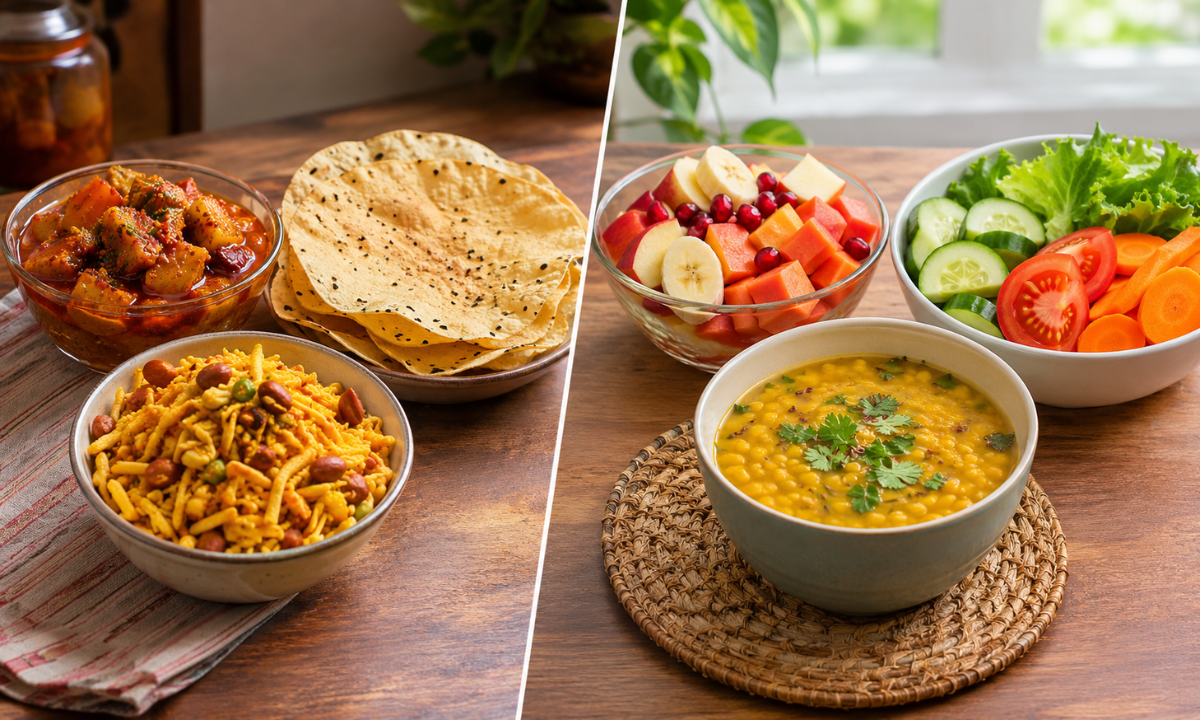
Most online hypertension diets are built on Western eating habits. They recommend cold salads, lots of raw vegetables, dairy milk by the glass, and whole grain breads. None of these reflect how Indian households cook or what Indian bodies have adapted to over generations.
The hidden sodium load in Indian meals: A single teaspoon of salt contains about 2,300 mg of sodium, which is the entire daily allowance for a healthy adult. For someone with high blood pressure, the limit drops to 1,500 mg per day. Now consider a typical Indian day: salted lassi at breakfast, dal tadka with extra salt at lunch, pickle on the side, salted buttermilk in the afternoon, namkeen with evening tea, and a sabzi plus curd rice at dinner. Most urban Indians cross 4,000 mg of sodium daily without realising it. The full extent of hidden salt in Indian diets and its side effects is covered in detail in our sodium guide.
The dal-rice-roti sodium trap: Dal is cooked with salt, the sabzi has salt, the roti is often brushed with salted ghee, the pickle is almost pure sodium, and the papad crosses 400 mg of sodium per piece. Four pieces of papad alone can exceed the daily limit for a hypertensive person.
Low potassium intake: While sodium runs high, potassium runs low. Most Indians eat fewer than two servings of fresh fruit a day and rely heavily on cooked, over-boiled vegetables that lose their potassium content. Potassium is what balances sodium in the bloodstream, so this imbalance pushes blood pressure up on both ends.
Oil and fat quality: Repeated reuse of cooking oil, heavy use of vanaspati in sweets and street food, and the Indian love for deep-fried snacks like pakoda, samosa, and bhujia all contribute to arterial stiffness, which worsens blood pressure.
This plan fixes every one of these problems while keeping food familiar, tasty, and practical to cook at home.
The 7-Day Hypertension Diet Plan at a Glance
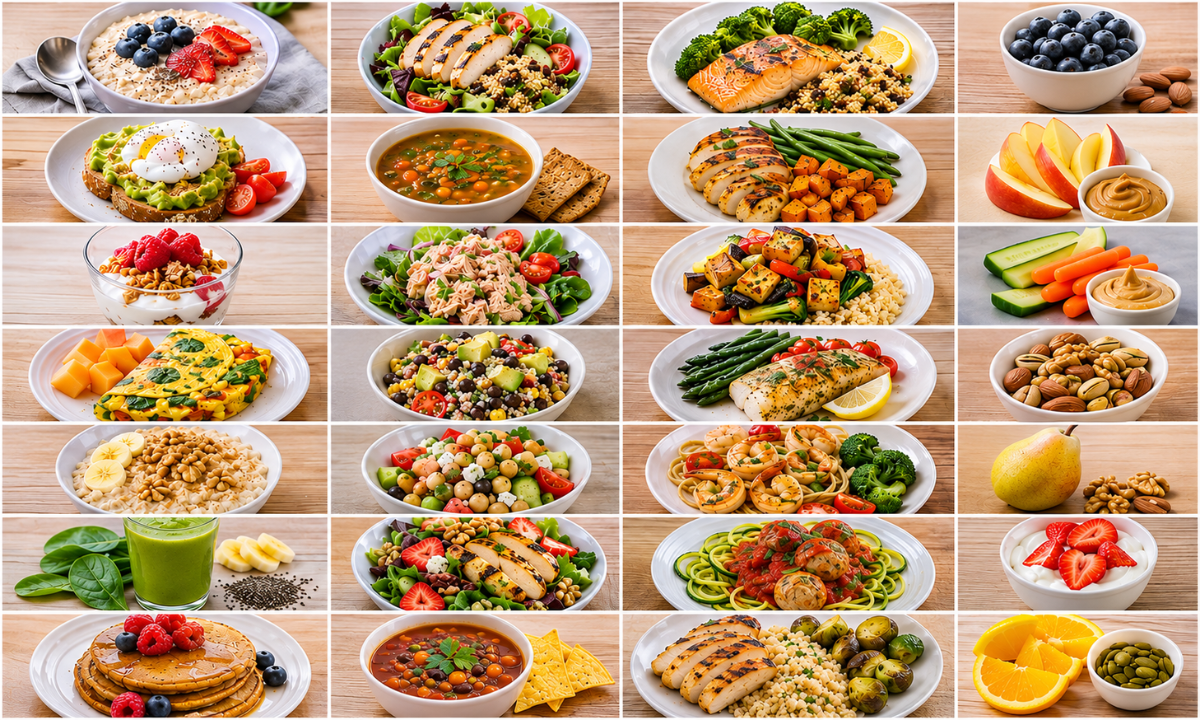
| Day | Breakfast | Mid-Morning | Lunch | Evening Snack | Dinner |
|---|---|---|---|---|---|
| Day 1 | Vegetable oats upma | Banana + 5 almonds | Palak dal + bajra roti + cucumber raita | Coconut water + roasted chana | Grilled paneer + mixed vegetable sabzi + 1 phulka |
| Day 2 | Moong dal chilla + mint chutney | Papaya bowl | Brown rice + rajma + beetroot salad | Buttermilk + 2 dates | Lauki curry + jowar roti + salad |
| Day 3 | Vegetable poha | Pomegranate | Mixed dal khichdi + curd + lauki raita | Hibiscus tea + roasted makhana | Methi matar malai (low fat) + 2 phulka |
| Day 4 | Masala oats | Orange | Quinoa pulao + kadhi + sprouts salad | Walnuts + green tea | Palak paneer (low fat) + 1 phulka |
| Day 5 | Idli (3) + sambar + coconut chutney (low salt) | Apple + 3 walnuts | Vegetable biryani (brown rice) + raita | Coconut water + fruit chaat | Baingan bharta + 2 bajra roti |
| Day 6 | Vegetable upma (rava) | Banana smoothie (no sugar) | Curd rice + mixed vegetable sabzi + salad | Buttermilk + roasted peanuts | Dal tadka + brown rice + cucumber salad |
| Day 7 | Besan chilla + green chutney | Guava + 5 almonds | Vegetable khichdi + curd + beetroot raita | Hibiscus tea + bhuna chana | Grilled fish or soya chaap + salad + 1 phulka |
Rules for every day:
- Total salt across the day stays under three fourths of a teaspoon (1,500 mg sodium)
- Drink 2.5 to 3 litres of water
- Walk briskly for 30 minutes
- Sleep by 11 pm
Day 1 to Day 7 Detailed Breakdown
Day 1
Breakfast (8 am): Vegetable oats upma
Half cup rolled oats cooked with chopped onion, tomato, carrot, beans, and peas. Use just a quarter teaspoon of salt. Garnish with coriander and a squeeze of lemon. Oats contain beta-glucan, a soluble fibre proven to lower blood pressure.
Mid-morning (11 am): One medium banana and 5 soaked almonds. Banana alone gives you 420 mg of potassium.
Lunch (1.30 pm): Palak dal with bajra roti and cucumber raita
One katori palak dal (made with moong or toor, cooked without extra salt, finished with garlic tadka in mustard oil), two bajra rotis (no ghee brush), and half a cup of cucumber raita using low-fat curd and black pepper instead of salt. This follows the principles of our general hypertension diet designed for Indian patients.
Evening snack (5 pm): One glass tender coconut water and one tablespoon of roasted chana.
Dinner (8 pm): Grilled paneer with mixed vegetable sabzi and one phulka
Marinate 80 grams of paneer in curd, turmeric, black pepper, and a tiny pinch of salt. Grill on a tawa. Serve with a mixed vegetable sabzi (bhindi, capsicum, carrot) and one phulka.
Day 2
Breakfast: Two moong dal chillas with fresh mint-coriander chutney (no salt in chutney, add roasted jeera powder and lemon).
Mid-morning: One bowl papaya cubes.
Lunch: One katori brown rice, one katori rajma (soaked overnight, cooked with minimum salt), beetroot and carrot salad with lemon and black pepper.
Evening: One glass plain buttermilk (no salt, add mint and jeera powder) and two soaked dates.
Dinner: Lauki curry cooked in tomato gravy with minimum salt, one jowar roti, and a simple salad of tomato, cucumber, and onion.
Day 3
Breakfast: Vegetable poha made with onion, peas, carrot, peanuts, and curry leaves. Finish with lemon juice.
Mid-morning: One cup pomegranate seeds. Pomegranate juice has been studied specifically for blood pressure reduction.
Lunch: Mixed dal khichdi (moong plus masoor) with vegetables, half a cup of plain curd, and one small bowl of lauki raita.
Evening: One cup hibiscus tea with a handful of roasted makhana. Hibiscus has been shown in clinical trials to lower systolic BP. More on herbs that control hypertension at home in our dedicated herbs guide.
Dinner: Methi matar malai made with low-fat milk and minimum cashew paste, two small phulkas.
Day 4
Breakfast: Masala oats with vegetables and a pinch of hing, cooked with half a cup water and half a cup low-fat milk.
Mid-morning: One medium orange.
Lunch: Quinoa pulao with vegetables, one katori kadhi (low salt, use roasted cumin heavily), and sprouted moong salad with lemon.
Evening: Six walnut halves and one cup green tea.
Dinner: Palak paneer made with low-fat paneer (60 grams) and lots of spinach, no cream, one phulka.
Day 5
Breakfast: Three idlis with sambar (minimum salt, pack it with drumsticks and tomatoes) and coconut chutney made without added salt.
Mid-morning: One apple with three walnut halves.
Lunch: Vegetable biryani made with brown rice, lots of vegetables, and minimum salt, served with mint raita.
Evening: One glass tender coconut water and a small bowl of fruit chaat (apple, pear, pomegranate, black salt a pinch only, lemon).
Dinner: Baingan bharta cooked in mustard oil with minimum salt and two small bajra rotis.
Day 6
Breakfast: Rava vegetable upma with mixed vegetables and curry leaves.
Mid-morning: One banana smoothie made with low-fat milk, flaxseed powder, and cinnamon, no sugar.
Lunch: One katori curd rice (use low-fat curd), one katori mixed vegetable sabzi, and a side salad.
Evening: One glass plain buttermilk with mint and two tablespoons of roasted peanuts.
Dinner: Dal tadka (minimum salt, garlic tadka in mustard oil), half a katori brown rice, cucumber and onion salad with lemon.
Day 7
Breakfast: Besan chilla stuffed with grated paneer and vegetables, served with mint-coriander chutney.
Mid-morning: One guava and five soaked almonds.
Lunch: Vegetable khichdi (moong, rice, vegetables), half a cup plain curd, and beetroot raita.
Evening: One cup hibiscus tea with a small bowl of bhuna chana.
Dinner: Grilled fish (80 grams) marinated in turmeric, lemon, ginger, and garlic, OR grilled soya chaap for vegetarians, with a large salad and one phulka.
Foods to Include Daily
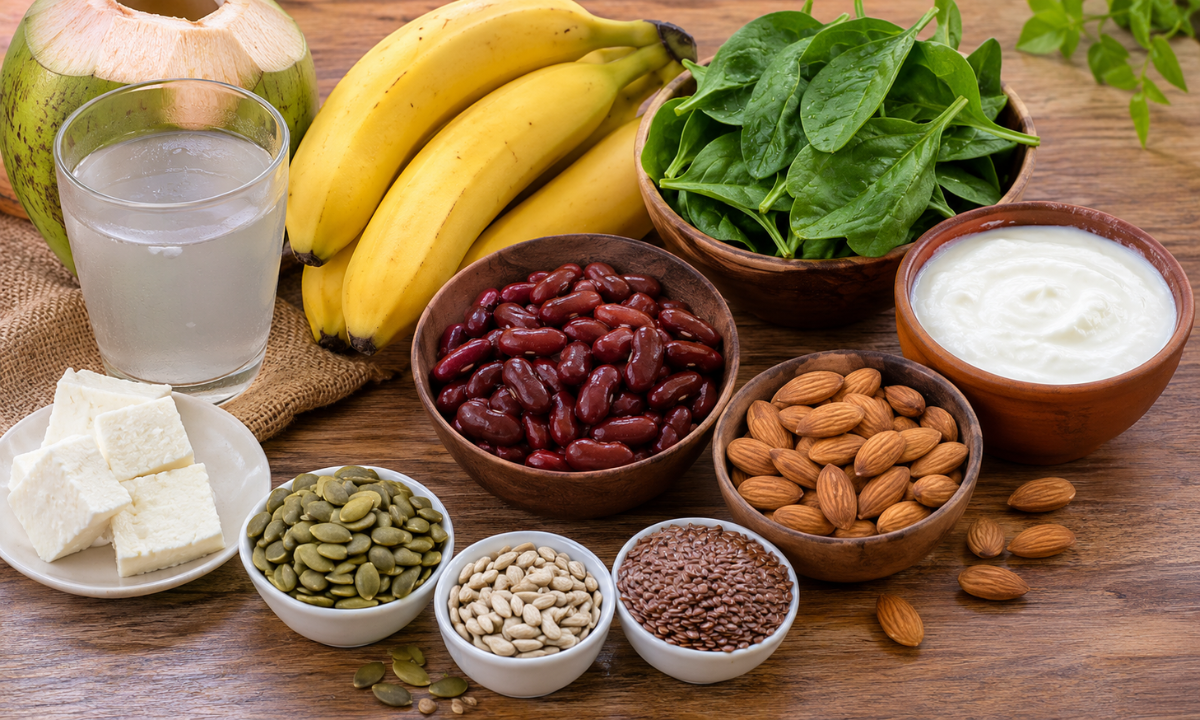
Build every single day around these potassium, magnesium, and calcium-rich Indian foods. For the full list, our heart-healthy Indian foods guide covers each category in depth.
Potassium-rich Indian foods (aim for at least four servings a day):
- Banana (420 mg per medium fruit)
- Coconut water (600 mg per cup)
- Spinach, palak (167 mg per half cup cooked)
- Sweet potato, shakarkandi (448 mg per medium)
- Beetroot (442 mg per cup)
- Pomegranate (666 mg per cup)
- Orange (240 mg per medium)
- Tomato (290 mg per cup) — read more on tomato juice and blood pressure
- Rajma, kidney beans (713 mg per cup cooked)
- Moong dal (537 mg per cup cooked)
Magnesium-rich Indian foods:
- Almonds, badam
- Pumpkin seeds, kaddu ke beej
- Flaxseeds, alsi
- Spinach, palak
- Whole wheat atta
- Jowar and bajra
Calcium-rich Indian foods (low fat only):
- Low-fat curd
- Buttermilk (chaas, without salt)
- Low-fat paneer
- Ragi
- Sesame seeds, til
- Methi leaves
Fluids:
- Hibiscus tea (gudhal chai), one cup a day
- Tender coconut water, one glass a day
- Plain water, 2.5 to 3 litres
For the complete authoritative list, see our top 30 heart-healthy foods.
Foods to Strictly Avoid
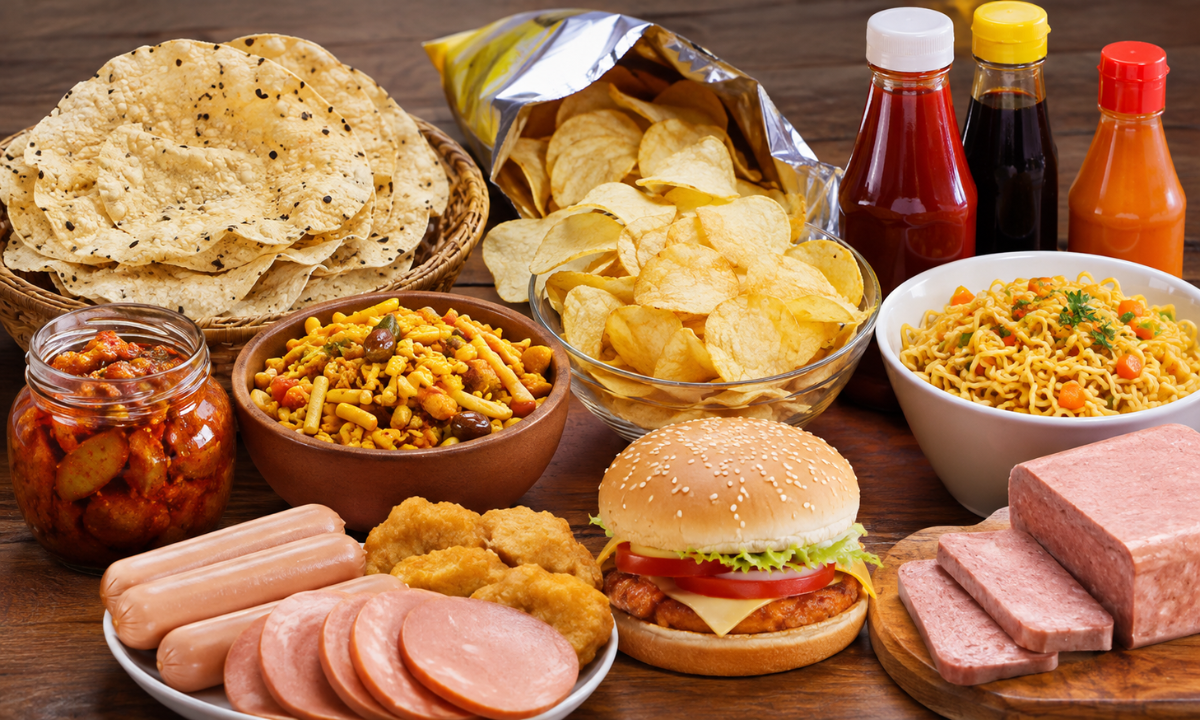
These foods will sabotage every effort in this plan.
High-sodium culprits:
- Pickles (achar), even home-made ones are 400 to 800 mg sodium per tablespoon
- Papad and fryums
- Namkeen, bhujia, chakli, sev, mixture
- Instant noodles, Maggi
- Packet soups
- Ready-to-eat frozen foods
- Bottled sauces (soy sauce, tomato ketchup, chilli sauce)
- Pizza, burgers, sandwiches from outside
- Biscuits and cookies, especially salted ones
- Processed cheese slices
- Salted butter, salted cashews, salted peanuts
- Black salt and rock salt in large quantities (sodium content is similar to regular salt)
Saturated fat and trans fat traps:
- Deep-fried snacks (pakoda, samosa, kachori, bhatura)
- Sweets made with vanaspati or dalda
- Cream-based gravies
- Full-cream milk and full-cream paneer
- Ghee in large quantities, keep to one teaspoon a day
- Red meat (mutton)
Sugar and refined carbs:
- Sugar-sweetened beverages (cola, packaged juice, energy drinks)
- Mithai and halwa
- Maida-based items (parotta, bhatura, white bread)
- Alcohol, especially beer which also adds sodium
Caffeine:
- Limit tea and coffee to two cups a day maximum, no sugar
Shopping List for the Week
Keep this list taped to the kitchen fridge. If it is not on the list, do not buy it.
Grains (buy whole grain versions):
Brown rice (500 g), bajra atta (500 g), jowar atta (500 g), whole wheat atta (1 kg), rolled oats (500 g), quinoa (250 g), rava sooji (250 g), poha (250 g), idli rava or batter (250 g).
Dals and legumes: Moong dal (500 g), toor dal (500 g), masoor dal (250 g), rajma (250 g), chana dal (250 g), besan (250 g), fresh sprouts (100 g daily).
Vegetables (fresh, weekly): Palak, methi, mustard greens, lauki, karela, tinda, tori, bhindi, capsicum, carrot, beans, peas, tomato, cucumber, onion, garlic, ginger, beetroot, radish, baingan, drumsticks.
Fruits (daily rotation): Banana, apple, orange, papaya, guava, pomegranate, watermelon.
Dairy (low fat only): Low-fat milk (2 litres), low-fat curd (500 g), low-fat paneer (200 g).
Protein: Fresh fish (200 g for the week, if non-vegetarian), chicken breast (200 g if non-vegetarian), soya chaap or tofu (vegetarian alternative), eggs (optional, 6 for the week).
Nuts and seeds: Almonds (100 g), walnuts (100 g), flaxseed powder (100 g), pumpkin seeds (50 g), roasted chana (250 g), makhana (100 g), unsalted peanuts (100 g).
Spices and flavouring: Turmeric, cumin, coriander, black pepper, mustard oil, groundnut oil, fresh lemon (6), mint, coriander, curry leaves, hing, roasted jeera powder, dried hibiscus flowers, tender coconut water (daily fresh).
Avoid buying: Namkeen, biscuits, bread, packaged snacks, sauces, pickles, papad.
How to Customise This Plan for Vegetarian or Jain Diets
Pure vegetarian version
The plan is already heavily vegetarian. For Day 7, replace fish with grilled soya chaap or paneer tikka. Increase dal portions slightly across the week to maintain protein intake. Add a tablespoon of flaxseed powder daily for omega-3.
Jain diet version
Remove onion, garlic, and all root vegetables (potato, carrot, beetroot, radish, sweet potato). Replace onion-garlic tadka with hing and ginger. Replace beetroot in salads and raita with cabbage or bottle gourd. Skip the vegetable biryani on Day 5 and replace with lemon rice (brown rice, lemon, curry leaves, peanuts). The protein base stays strong because dals and paneer are already central.
Vegan version
Replace all dairy with low-fat soya milk, soya curd, and tofu in place of paneer. Skip raita and curd rice days, substitute with coconut-based preparations or sprout salads. Add nutritional yeast or fortified plant milks to maintain B12 and calcium.
Diabetic plus BP version
Reduce the fruit portions by half, skip the dates and watermelon, replace pomegranate with amla or guava, and pair every meal with a serving of raw vegetables. Avoid biryani and khichdi in large portions, replace with roti and sabzi. For a dedicated plan, see our diet tips for managing diabetes and high blood pressure together.
Pregnancy BP version
Pregnancy-induced hypertension needs a trimester-specific plan. Follow our dedicated guide on diet to reduce high blood pressure during pregnancy instead of this general plan.
Expected Results in 7 Days
Realistic expectations matter. Here is what the clinical evidence and nutrition research point to.
Days 1 to 3: Noticeable reduction in bloating, better digestion, less salty cravings, and improved energy levels. Blood pressure readings may show a 2 to 4 mmHg drop in systolic pressure.
Days 4 to 5: Clearer skin, better sleep quality, reduced afternoon fatigue. Blood pressure drop widens to 4 to 7 mmHg systolic.
Days 6 to 7: Measurable 5 to 10 mmHg reduction in systolic pressure and 3 to 6 mmHg reduction in diastolic. Weight may drop by 1 to 1.5 kg, mostly from reduced water retention. Sodium cravings significantly reduced.
Beyond 7 days: With continued adherence over 4 weeks, hypertensive patients typically see a stable 8 to 14 mmHg systolic drop, which can be enough for many borderline cases to reduce or even eliminate antihypertensive medication, though only under medical supervision.
The same dietary principles also protect against complications. Our guide on foods that prevent stroke covers how long-term BP control reduces stroke risk.
Important: Do not stop or change your prescribed blood pressure medication without consulting your doctor. Diet supports medication, it does not replace it. Monitor your BP twice daily (morning and evening) throughout the week and share the readings with your doctor and dietician.
FAQs
Can I drink tea or coffee on this plan?
Yes, but limit to two cups a day, no sugar, and preferably before 4 pm. Replace one of them with hibiscus tea for a direct BP-lowering benefit.
Is this plan safe during pregnancy?
If you have pregnancy-induced hypertension, consult Avni Kaul before starting. A trimester-specific version is recommended for pregnancy because nutritional needs differ.
Can I eat non-vegetarian food on this plan?
Yes, Day 7 includes grilled fish. Fish is recommended twice a week for omega-3. Chicken breast (grilled, not fried) can replace paneer on one or two days. Avoid red meat and processed meats entirely.
Do I need to measure portions strictly?
For the first week, yes. Use standard katori and small roti size as a baseline. Over time, the portion awareness becomes intuitive.
What if I have to eat out during the week?
Choose grilled items, ask for no added salt and no butter, skip pickles and papad, avoid gravies made with cream, and order a fresh salad as a starter. Carry a lemon in your bag.
Can I continue this plan beyond 7 days?
Yes, this plan is safe and sustainable long-term. Rotate the meals across weeks and adjust for seasonal produce. For long-term adherence, a personalised consultation with Avni Kaul helps match the plan to individual medical history, medication, and lifestyle.
Will this plan lower my cholesterol as well?
Yes. The low saturated fat, high fibre, and plant-based focus of this plan is proven to reduce LDL cholesterol by 10 to 15 percent within 6 to 8 weeks. Our dedicated guide on foods to lower cholesterol naturally covers the complete approach.
I live in a hostel or PG. Can I still follow this plan?
Yes, with adaptations. Carry rolled oats, almonds, roasted chana, and flaxseed powder. Choose the sabzi and dal at mess but ask for minimum salt, add fresh salads, avoid pickles and papad, and drink buttermilk or coconut water daily.
Ready to Take Control of Your Blood Pressure?
A generic diet plan can only go so far. Your medical history, current medication, Indian regional food preferences, work schedule, and family eating patterns all shape what actually works for your body.
For a personalised 7-day diet plan built around your specific blood pressure readings, lifestyle, and medical reports, book a consultation with Avni Kaul, Delhi’s trusted certified nutritionist and dietician. Avni has helped thousands of hypertensive patients across India reduce their BP sustainably through food-first nutrition therapy.
Book your consultation with Avni Kaul today.