
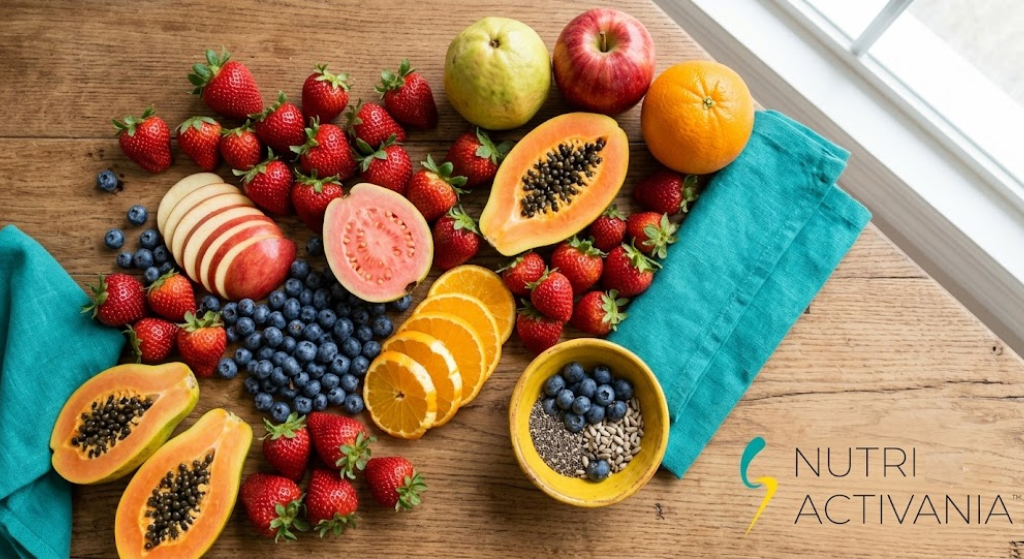
The best fruits for weight loss are generally those that offer high fibre and water content relative to their calorie count, helping you feel full without adding excess sugar to your diet. Avni Kaul, a dietician in Delhi, regularly guides clients on how to include fruit sensibly within a weight loss plan, since fruit is often either avoided altogether out of fear of sugar content or eaten without any real portion awareness, neither of which serves the goal well.
Fruit gets an unfairly mixed reputation in weight loss circles. Some diets cut it out almost entirely, treating natural sugar the same as refined sugar. Others treat fruit as an unlimited “healthy” snack with no need for portion control. Neither extreme is accurate. The right approach sits in between: choosing fruits that support fullness and steady energy, eaten in sensible portions, as part of a balanced diet rather than a replacement for one.
Why Fruit Still Has a Place in a Weight Loss Diet
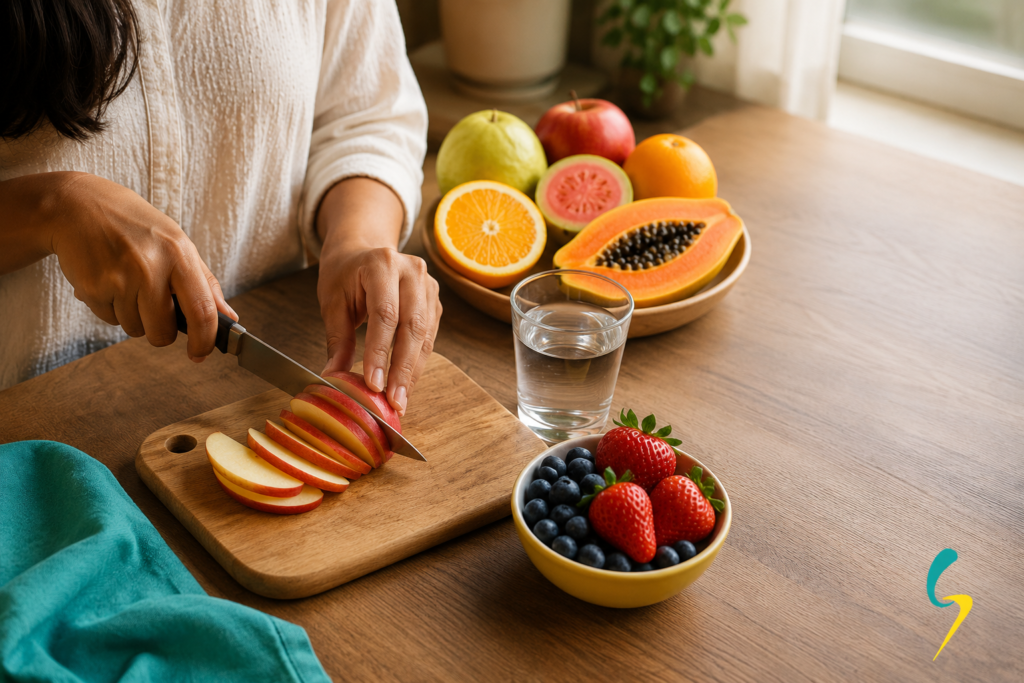
Fruit contains natural sugar, but it comes packaged with fibre, water, vitamins, and minerals, all of which behave very differently in the body compared to refined sugar found in sweets or packaged snacks. Fibre in particular slows down how quickly that sugar is absorbed, which helps avoid the sharp blood sugar spike and subsequent crash that tends to trigger cravings.
Fruit supports weight loss in a few specific ways:
- High water and fibre content contributes to fullness on relatively few calories
- Natural sweetness can help satisfy sugar cravings without turning to processed alternatives
- Vitamins and minerals support overall health during a calorie-restricted diet
- Fibre supports digestion, which can otherwise be sluggish on a lower-calorie diet
- Many fruits are genuinely low in calories relative to their volume, making them a satisfying snack option
The key, as with most foods in a weight loss context, is portion and choice, not blanket avoidance or blanket permission.
Fruits That Tend to Support Weight Loss Best
Berries. Strawberries, blueberries, raspberries, and blackberries are consistently among the best choices for weight loss, offering high fibre and relatively low sugar content compared to their volume, along with a satisfying amount of natural sweetness.
Apples. A whole apple, eaten with the skin, offers substantial fibre and takes longer to eat and digest than most fruits, which supports a stronger sense of fullness relative to its calorie count.
Guava. A particularly good option in the Indian context, guava is high in fibre and vitamin C, with a relatively low glycaemic impact compared to many other fruits.
Papaya. Low in calories and supportive of digestion, papaya is a light, filling option that works well as a snack or alongside a meal.
Oranges and other citrus fruits. High water content and fibre, along with a naturally slow eating pace due to peeling and segmenting, make citrus fruits a satisfying, lower-calorie choice.
Watermelon. Very high water content makes watermelon genuinely low in calories per serving, though portion awareness matters here since it is easy to eat a large volume relatively quickly.
Pears. Similar to apples, pears offer good fibre content, particularly when eaten with the skin, supporting fullness alongside a moderate calorie count.
Fruits to Enjoy in Smaller Portions
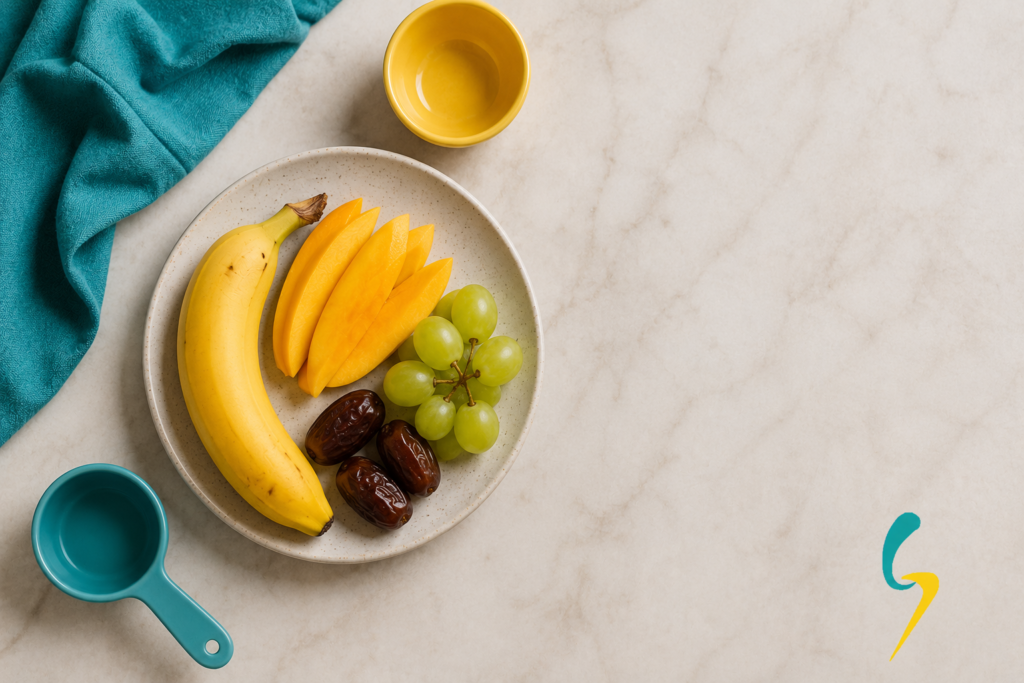
This does not mean these fruits should be avoided, simply that portion size matters more here than with the fruits listed above, given their higher sugar or calorie density relative to volume.
- Bananas, which are calorie-dense and higher in natural sugar than most fruits, though still a reasonable choice in moderate portions, particularly around activity
- Mangoes, a seasonal favourite that is higher in natural sugar, best enjoyed in controlled portions rather than large servings
- Grapes, easy to overeat in large quantities given how quickly they can be consumed, despite a relatively high sugar content for their size
- Dried fruits, such as raisins or dates, which concentrate both sugar and calories significantly compared to their fresh counterparts, and are easy to overconsume in small volumes
None of these need to be eliminated from a weight loss diet. They simply benefit from more deliberate portioning than fruits like berries or guava, which are naturally harder to overeat.
How to Include Fruit Sensibly in a Weight Loss Plan
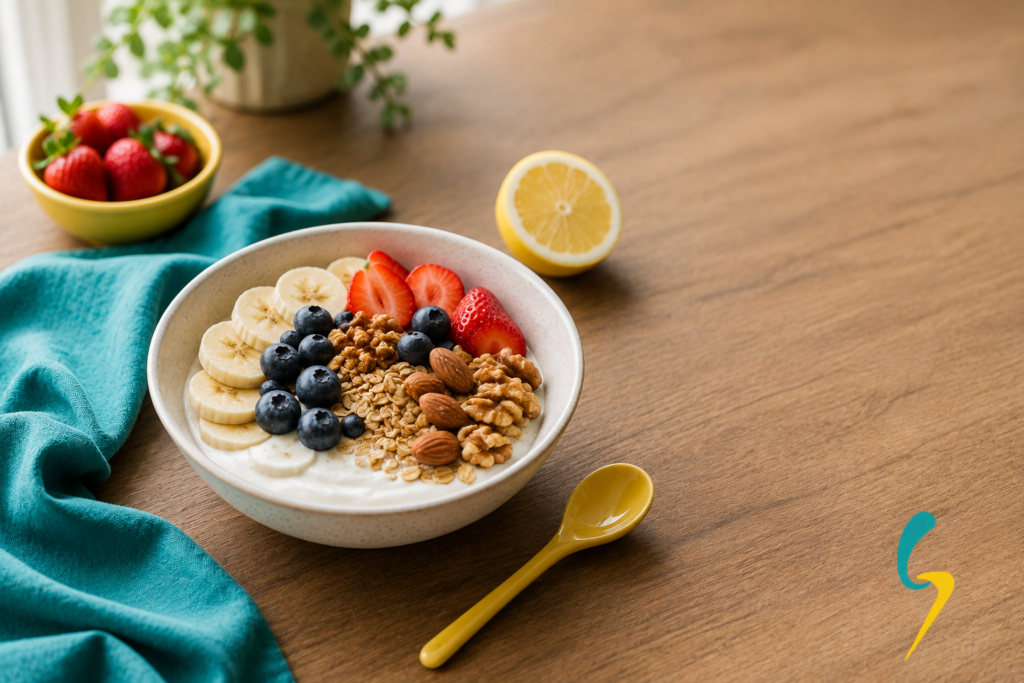
Pair fruit with protein or fat where possible. A small handful of nuts alongside fruit, or fruit added to a protein-rich breakfast, slows sugar absorption further and improves satiety compared to fruit eaten alone.
Favour whole fruit over juice. Juicing removes most of the fibre that makes fruit filling and slows sugar absorption in the first place, meaning fruit juice behaves much closer to a sugary beverage than whole fruit does.
Be mindful of timing. Eating fruit as a snack between meals, rather than immediately after a large meal, tends to support better digestion and blood sugar stability.
Watch portion size, not just fruit choice. Even lower-sugar fruits can add up in calories if eaten in very large quantities, so portion awareness matters across the board, not just for the fruits higher in natural sugar.
Who Should Pay Particular Attention to Fruit Choices
- People managing diabetes or insulin resistance, where fruit choice and portion size have a more direct effect on blood sugar
- People following a structured weight loss or fat loss program, where calorie tracking benefits from more precise fruit portioning
- People who have been avoiding fruit entirely out of concern about sugar content, and want a more balanced approach
- People who currently eat fruit without much portion awareness and want to bring more structure to that habit
Why Work With Avni Kaul on Fruit and Overall Diet Choices
Avni Kaul is a Gold Medallist from the University of Delhi and received the Best Dietician Award in 2019. Her approach to weight loss treats fruit as a valuable, enjoyable part of a balanced diet rather than something to fear or eliminate, guiding clients on which fruits and portions best support their specific goals, whether that is general weight loss, diabetes management, or another underlying health consideration.
Conclusion
Fruit does not need to be avoided or eaten without limits in a weight loss diet. Choosing fibre-rich, water-dense options like berries, guava, apples, and citrus fruits, eaten in sensible portions and ideally paired with protein or fat, supports fullness and steady energy without derailing progress. Higher-sugar fruits like mangoes, bananas, and grapes still have a place, simply with more attention to portion size. Getting this balance right is a small but genuinely useful part of a broader, sustainable weight loss approach.
Frequently Asked Questions
Can eating too much fruit stop weight loss progress?
Yes, potentially. While fruit is far better than processed sugar, it still contains calories and natural sugar, so eating very large quantities, particularly of higher-sugar fruits, can add up and slow progress.
Is fruit juice as good as whole fruit for weight loss?
No. Juicing removes most of the fibre that makes whole fruit filling and slows sugar absorption, so fruit juice behaves much more like a sugary beverage than whole fruit does.
What is the best time of day to eat fruit for weight loss?
Fruit works well as a snack between meals or alongside a protein-rich meal. Eating it immediately after a large meal is generally less ideal for digestion and blood sugar stability.
Should people with diabetes avoid fruit entirely?
No, but fruit choice and portion size matter more for people managing diabetes or insulin resistance, since blood sugar response varies significantly between different fruits.
How many servings of fruit are recommended per day for weight loss?
This varies by individual calorie needs and goals, though two to three servings of whole fruit per day is a reasonable general guideline within a balanced weight loss diet.
Are frozen fruits as good as fresh fruits for weight loss?
Generally, yes, provided there is no added sugar. Frozen fruit retains most of its fibre and nutrient content and can be a convenient, cost-effective option.