

In a world filled with diet trends, weight loss supplements, and mixed advice, maintaining a healthy weight can seem daunting. Many trends, like low-carb diets and juice cleanses, promise quick fixes. But they often lead to frustration and weight gain later. The reality is that sustainable weight management isn’t about shortcuts or extremes. It’s about creating a balanced and enjoyable relationship with food. This supports your body and lifestyle over time. The main difference between weight loss and fat loss is that weight loss refers to a reduction in overall body weight, including muscle, water, and fat. Fat loss specifically targets the reduction of body fat while preserving muscle mass.
Weight management is personal and shaped by genetics, metabolism, lifestyle, and emotions. For some, the aim is to lose weight to improve health markers like blood pressure. For others, it’s about stabilising weight to feel energetic and confident. Whatever your goal, the secret is to choose nutrition plans that are based on science. Plans should also match your routine and be easy to stick with over time.
Why is sustainability so critical?

Quick-fix diets often involve severe calorie cuts or the removal of whole food groups. This can lead to nutrient deficiencies, muscle loss, and a slowed metabolism. Studies show that 80-95% of people who lose weight on restrictive diets regain it within 1-5 years, often with extra pounds.
Yo-yo dieting can hurt your body and mind. Yo-yo dieting is a cycle of repeatedly losing weight through restrictive diets and regaining it, often leading to health issues. It often causes feelings of failure and discouragement.
Sustainable weight management, on the other hand, emphasises gradual changes. It values nourishment more than deprivation. It’s about choosing foods that fuel your body, listening to hunger cues, and forming habits that feel natural. Nutrition plans for fat loss are to focus on nutrient-rich foods, mindful eating, and smart planning can help you achieve your weight goals. This approach also improves your well-being. You’ll feel more energetic, sleep better, and have higher self-esteem.
1. Prioritise Nutrient-Dense Foods
Nutrient-dense foods are rich in vitamins, minerals, fibre, and antioxidants. They also have low calories. These foods keep you full longer and reduce the urge to overeat calorie-heavy options.

What to include:
- Vegetables like leafy greens, broccoli, carrots, and peppers are low in calories. They are also high in fibre.
- Fruits include berries, apples, and citrus fruits add natural sweetness and antioxidants.
- Lean proteins include chicken breast, fish, eggs, tofu, and legumes. They help keep muscles strong and you feeling full.
- Whole grains: Quinoa, brown rice, and oats offer sustained energy and fibre.
- Healthy fats: Avocados, nuts, seeds, and olive oil support heart health in moderation.
Why it works: Nutrient-dense foods replace high-calorie, low-nutrient options, such as sugary snacks. This change naturally lowers calorie intake. Their high fibre and protein content increases fullness, reducing the chance of overeating. Research shows that diets high in whole foods lead to a lower body mass index (BMI) and better metabolic health.
2. Practice Portion Control
Even healthy foods can cause weight gain if eaten in excess. Portion control lets you enjoy various foods while managing calorie intake, avoiding restrictive “off-limits” lists.
How to implement portion control:
- Use smaller plates: A 9-inch plate can reduce portion sizes by 20-25% without feeling deprived.
- Follow the plate method: Divide your plate in half for non-starchy vegetables. Then add one-quarter for lean protein and one-quarter for whole grains or starchy vegetables.
- Measure high-calorie foods: Use measuring spoons or a food scale for calorie-dense items like oils or nut butters.
- Eat slowly: It takes about 20 minutes for your brain to register fullness. Chew thoroughly and pause between bites.
- Stop at 80% full: In Japanese culture, this is called hara hachi bu. Pause before finishing your plate to see if you’re satisfied.
Why it works: Portion control prevents unintentional overeating, especially with calorie-dense foods. Research shows that larger portion sizes lead to increased calorie intake. By moderating portions, you can enjoy all foods while staying within your calorie needs.
3. Balance Macronutrients
Nutrition plans for fat loss are to balance the diet, which includes carbohydrates, proteins, and fats. These nutrients help with energy, muscle health, hormonal balance, and appetite control. Each macronutrient has a unique role in weight management.
- Carbohydrates: Choose complex carbs like whole grains and vegetables over refined sugars. Aim for 45-65% of daily calories from carbs, depending on activity level.
- Proteins: Include protein in each meal to maintain muscle mass and increase satiety. Aim for 10-35% of daily calories, with 0.8-1.2 grams per kilogram of body weight for most adults.
- Fats: Opt for unsaturated fats and limit saturated fats. Fats should make up 20-35% of daily calories.
Why it works: Balanced macronutrients stop energy crashes, cut hunger, and boost metabolic efficiency. Studies show that diets high in protein, making up 25-30% of calories, help with weight loss. They also help keep lean muscle mass.

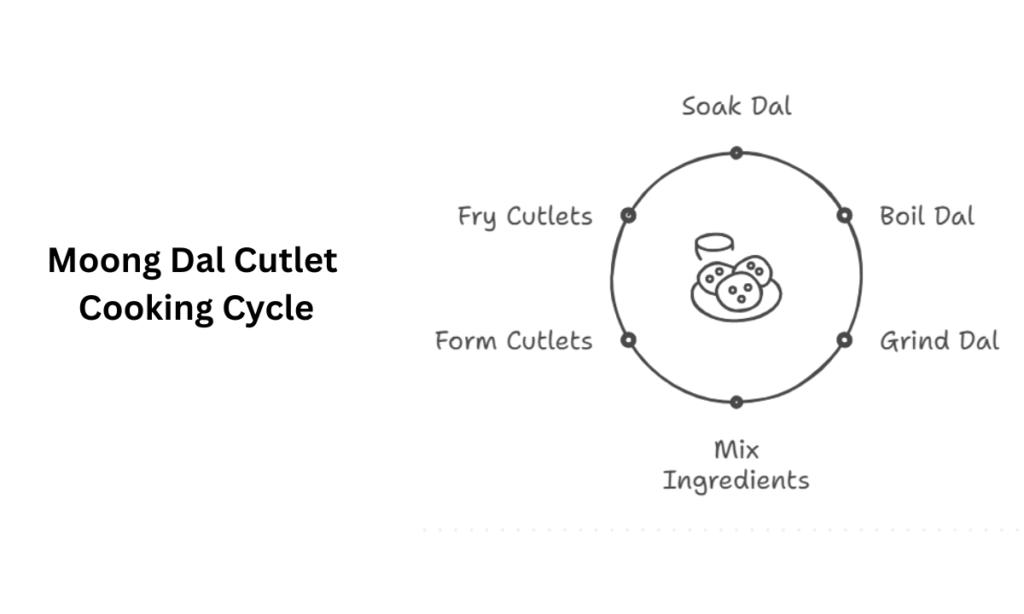
Best Dietician for weight loss Avni Kaul’s and team diet plan overview: Peppermint tea early morning, whey protein post-workout, egg and coffee with skimmed milk for breakfast, chia fresca mid-morning, vegetable wrap with hummus or vegetable oats with edamame for lunch, coffee with skimmed milk in the evening, a fruit like apple or berries late evening, and moong dal cutlets for dinner. We will provide options for every meal, you can choose according to your comfort.
4. Stay Hydrated
Water is vital for health and plays an important role in weight management by supporting metabolism and reducing hunger.
How much water to drink:
- Aim for 8-10 cups (2-2.5 litres) daily, increasing to 12-15 cups for active individuals or larger body sizes.
- Check urine colour—pale yellow means proper hydration, while dark yellow suggests more water is needed.
Hydration strategies:

- Drink before meals: A 2015 study found that drinking 500 ml (17 oz) before meals led to greater weight loss over 12 weeks by increasing fullness.
- Replace sugary drinks: Swap soda, sweetened coffee, or juice for water, herbal tea, or sparkling water with lemon.
- Infuse water for flavour: Add cucumber, mint, or berries to make water more appealing.
- Include hydrating foods: Cucumbers, watermelon, oranges, and soups add to fluid intake.
Why it works: Hydration aids digestion, nutrient absorption, and metabolism. Drinking water before meals can lower calorie intake by 13-15%. Also, swapping sugary drinks for water can remove hundreds of empty calories.
5. Plan and Prepare Meals
Meal planning and preparation help you choose food wisely. This cuts down on processed foods, which are usually high in calories, sugar, and sodium.
Steps for effective meal planning:
- Create a weekly menu: Plan 3-4 meals per day, including breakfast, lunch, dinner, and snacks. Include leftovers to save time.
- Batch-cook staples: Prepare large portions of grains, proteins, or roasted vegetables on weekends for easy mixing throughout the week.
- Pre-portion snacks: Divide nuts, yoghurt, or cut fruit into single servings.
- Use a grocery list: Shop with a list based on your menu to avoid impulse buys.
- Invest in tools: Use meal prep containers, a slow cooker, or an air fryer to simplify cooking.
Why it works: Planning reduces decision fatigue and the urge to order takeout. A 2017 study showed that people who meal-prepped were more likely to eat healthily and lose weight.
Avni Kaul and team will give you simple recipes to prepare your meal:
Conclusion
Sustainable weight management is a journey blending science, practicality, and self-compassion. Focus on nutrient-rich foods. Control your portions and balance your macronutrients. Stay hydrated and plan your meals. Eat mindfully, limit processed foods. seek help from the best nutritionist in india for weight loss, contect Avni Kaul and team. This way, you can reach and keep a healthy weight while still enjoying your meals. These strategies help you create lasting habits. They support your weight goals and boost your overall vitality.
Start with one or two changes, track your progress, and celebrate small wins along the way. If you need tailored support, consult a registered dietitian Avni Kaul and team to guide your path. With patience and persistence, you can create a healthier, happier you. Take it one balanced bite at a time.