
Electrolytes For Endurance Athletes

Table of Contents

By Dietitian Avni Kaul — Gold Medalist, M.Sc. Food & Nutrition, Lady Irwin College, University of Delhi | Founder, Nutri Activania

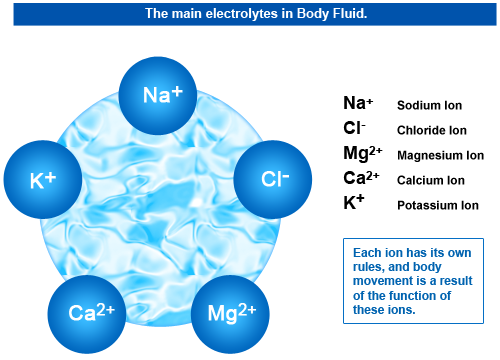
Hyponatremia or muscle cramps happen to endurance athletes when there is abnormal water retention in the body or more than the usual loss of sodium because of excessive sweating. An athlete should be treated immediately if he feels weak, lethargic, nauseated, bloated, confused or if he has muscle cramps, headache, slurred speech or swollen hands and feet after exercise. Those symptoms, if not treated on time, can be fatal in the worst case scenario.

Understanding Fluid and Sodium Balance

The rate at which an athlete sweats varies from one to another. There are a few who lose more sodium in their sweat than others. Therefore, their fluid intake should also be taken into consideration when planning their diet. Sometimes excessive fluid intake, especially that of plain water, also leads to hyponatremia. Triathletes, cyclists, slow runners, and a few other athletes too who have an opportunity to hydrate themselves in the middle of the competition or performance, sometimes drink more fluids than their bodies require leading to hyponatremia. Women athletes have been found to be more prone to hyponatremia due to their biological or behavioral reasons. Experts recommend that if athletes are exercising or training for more than an hour at a stretch, then they should drink sodium-containing fluids or eat salty foods with water to balance the electrolytes in the body that have been lost due to sweating.

Preventing Muscle Cramps and Hyponatremia

It is essential for endurance athletes to be hydrated before they start their exercise routine and also keep replenishing their body fluids during their regimen. Over-exertion during exercise, dehydration, and electrolyte imbalance can cause muscle cramps. Consumption of sodium-rich foods like legumes, fruits, vegetables, and low-fat dairy on a regular basis along with added sodium helps prevent cramps, especially when the weather is warm.

As it is said that “Prevention is better than cure”, athletes should take advice from an expert along with monitoring their sweat and urine discharge during exercise and training routines. Hydration is important but it should be done at an appropriate time and with essential nutrients added to get the full benefit of it.

About the author: Avni Kaul is the most trusted nutritionist in Delhi, India, and a wellness coach. She is a certified nutritionist as well as a Diabetes Educator and specializes in weight management, child nutrition, skin and beauty health, thyroid disorder, cardiovascular health, diabetic management, wedding nutrition, sports nutrition, and corporate wellness.

Important Disclaimer & Medical Policy

This content is for informational and educational purposes only. It does not constitute medical or dietary advice. Please consult Dietitian Avni Kaul or a qualified healthcare professional before making any changes to your diet or nutrition plan.

Picture of Avni Kaul: Dietitian & Nutritionist in Delhi NCR

Avni Kaul: Dietitian & Nutritionist in Delhi NCR

About the Author: Dietitian Avni Kaul

Avni Kaul is a Gold Medalist nutritionist holding a Master's degree in Food and Nutrition from Lady Irwin College, University of Delhi. With 12+ years of clinical experience and 15,000+ clients, she is the founder of Nutri Activania — Delhi's leading dietitian practice. She specialises in weight management, PCOS, thyroid disorders, diabetes, and pregnancy nutrition.

Nutrition Category
Popular Blogs
Country Chicken Nutrition Facts per 100g: Calories, Protein, Fat and Health Benefits
Country chicken, also known as desi chicken, nattu kozhi, or village chicken, is a popular protein-rich...
Meal Plan for Vegetarians to Gain Weight: A Complete Guide
Meal Plan for Vegetarians to Gain Weight is often seen as harder than it actually is. The real challenge...
Best Millets for Weight Loss: Why This Traditional Grain Deserves a Comeback
Millets are among the best grains for weight loss, offering considerably more fibre and a lower glycaemic...
Are Oats Good for Weight Loss? What the Evidence Actually Supports
Yes, oats are good for weight loss, largely due to their high soluble fibre content, which supports fullness...
High-Fibre Foods for Weight Loss: The Quiet Driver Behind Fullness and Steady Energy
High-fibre foods for weight loss work by slowing digestion, supporting fullness for longer after meals,...
High-Protein Foods for Weight Loss: Why Protein Does More Than Just Build Muscle
High-protein foods for weight loss work by supporting fullness for longer after meals, preserving muscle...
Best Vegetables for Weight Loss: The Foods That Do the Most Work on Your Plate
The best vegetables for weight loss are typically those low in calories but high in fibre and water content,...
Best Fruits for Weight Loss: What to Eat, What to Watch, and How Much
The best fruits for weight loss are generally those that offer high fibre and water content relative...
Weight Loss Diet for Hypothyroidism: Working With a Slower Metabolism, Not Against It
A weight loss diet for hypothyroidism is a nutrition plan built around the slower metabolism and related...
PCOS Weight Loss Nutrition Program: Why Standard Diets Often Don't Work, and What Does
A PCOS weight loss nutrition program is a diet plan built specifically around the hormonal and insulin-related...
Download Your Expert Nutrition & Wellness Guide PDF

Transform Your Health with Dietitian Avni Kaul

Join 300+ Delhi clients” + 5‑star reviews & 15,000+ Happy Members and growing

Get a Free 30-Minute Consultation

Join 300+ Delhi clients” + 5‑star reviews