
Food You Should Avoid During Indian Monsoon

best food during Indian monsoon

Table of Contents

By Dietitian Avni Kaul — Gold Medalist, M.Sc. Food & Nutrition, Lady Irwin College, University of Delhi | Founder, Nutri Activania

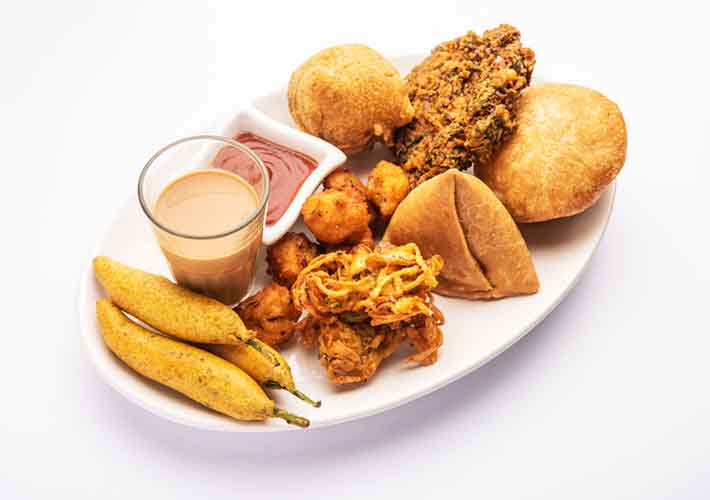
It is the time of the year when monsoon showers are scattered in major parts of India. The cooling effect that these showers have after a scorching summer makes many look forward to a hot cup of tea along with fried pakoras in the rainy weather. But it is time to stop yourself before you eat those.

The rainy season brings respite from the sweltering summer heat but it also brings lots of infections and occasional flu.

Avni says that to enjoy the pleasent weather, it is important you keep yourself guarded against those ailments. So, before you head for your favourite roadside tea stall or more fashionable tea cafe for those fried snacks, read this blog by Delhi’s top Dietitian Avni Kaul, which speaks specifically about the foods you need to avoid during the monsoon season to stay fit. Here are foods that you need to avoid during the monsoon.
best food during Indian rainy season

Leafy vegetables

It may sound irrelevant as most of you have grown up listening to numerous benefits of eating leafy vegetables. However, during the monsoon, they are best avoided. The grime and dampness present in them make them hugely susceptible to germs. Say no to vegetables like spinach, cabbage, and cauliflower during this season. Instead opt for pungent vegetables like bitter gourd, bottle gourd, tori, or tinda. Make certain all vegetables are thoroughly rinsed and cooked well.

Fried food

Fried food should be avoided in the rainy season and science backs this too. The humidity in monsoon causes our digestion process to slow down. The thought of pakoras, samosas, and kachori may seem irresistible but they could cause gastronomical complications such as bloating and stomach problems. Extra salted food also causes water retention. It is advised to stay away from street food, particularly items like gol gappas where water is used. The season brings with it numerous bacteria and insects, which could cause severe infection.

Juice or fruit from roadside vendors

Any fresh food product that has had a long exposure to the monsoon air needs to be avoided. Roadside vendors keep the fruits cut up well in advance, which might come in contact with contaminated air. It is better to stick to fresh fruit or its juice prepared at home and consume it instantly. Make sure to not leave cut fruits out for very long at home. Any prolonged exposure to the air could cause contamination. Cut it fresh and eat immediately.

Aerated drinks

Fizzy or aerated drinks reduce minerals in the body which leads to  a reduction of enzyme activity. This is quite undesirable with an already weak digestive system. Keep a bottle of water or nimbu paani handy or stick to warm beverages such as ginger tea. Your digestive system will feel good due to this.

Important Disclaimer & Medical Policy

This content is for informational and educational purposes only. It does not constitute medical or dietary advice. Please consult Dietitian Avni Kaul or a qualified healthcare professional before making any changes to your diet or nutrition plan.

Picture of Avni Kaul: Dietitian & Nutritionist in Delhi NCR

Avni Kaul: Dietitian & Nutritionist in Delhi NCR

About the Author: Dietitian Avni Kaul

Avni Kaul is a Gold Medalist nutritionist holding a Master's degree in Food and Nutrition from Lady Irwin College, University of Delhi. With 12+ years of clinical experience and 15,000+ clients, she is the founder of Nutri Activania — Delhi's leading dietitian practice. She specialises in weight management, PCOS, thyroid disorders, diabetes, and pregnancy nutrition.

Nutrition Category
Popular Blogs
Country Chicken Nutrition Facts per 100g: Calories, Protein, Fat and Health Benefits
Country chicken, also known as desi chicken, nattu kozhi, or village chicken, is a popular protein-rich...
Diet Plan for Vegetarians to Gain Weight: A Complete Guide
Diet Plan for Vegetarians to Gain Weight is often seen as harder than it actually is. The real challenge...
Best Millets for Weight Loss: Why This Traditional Grain Deserves a Comeback
Millets are among the best grains for weight loss, offering considerably more fibre and a lower glycaemic...
Are Oats Good for Weight Loss? What the Evidence Actually Supports
Yes, oats are good for weight loss, largely due to their high soluble fibre content, which supports fullness...
High-Fibre Foods for Weight Loss: The Quiet Driver Behind Fullness and Steady Energy
High-fibre foods for weight loss work by slowing digestion, supporting fullness for longer after meals,...
High-Protein Foods for Weight Loss: Why Protein Does More Than Just Build Muscle
High-protein foods for weight loss work by supporting fullness for longer after meals, preserving muscle...
Best Vegetables for Weight Loss: The Foods That Do the Most Work on Your Plate
The best vegetables for weight loss are typically those low in calories but high in fibre and water content,...
Best Fruits for Weight Loss: What to Eat, What to Watch, and How Much
The best fruits for weight loss are generally those that offer high fibre and water content relative...
Weight Loss Diet for Hypothyroidism: Working With a Slower Metabolism, Not Against It
A weight loss diet for hypothyroidism is a nutrition plan built around the slower metabolism and related...
PCOS Weight Loss Nutrition Program: Why Standard Diets Often Don't Work, and What Does
A PCOS weight loss nutrition program is a diet plan built specifically around the hormonal and insulin-related...
Download Your Expert Nutrition & Wellness Guide PDF

Transform Your Health with Dietitian Avni Kaul

Join 300+ Delhi clients” + 5‑star reviews & 15,000+ Happy Members and growing

Get a Free 30-Minute Consultation

Join 300+ Delhi clients” + 5‑star reviews