
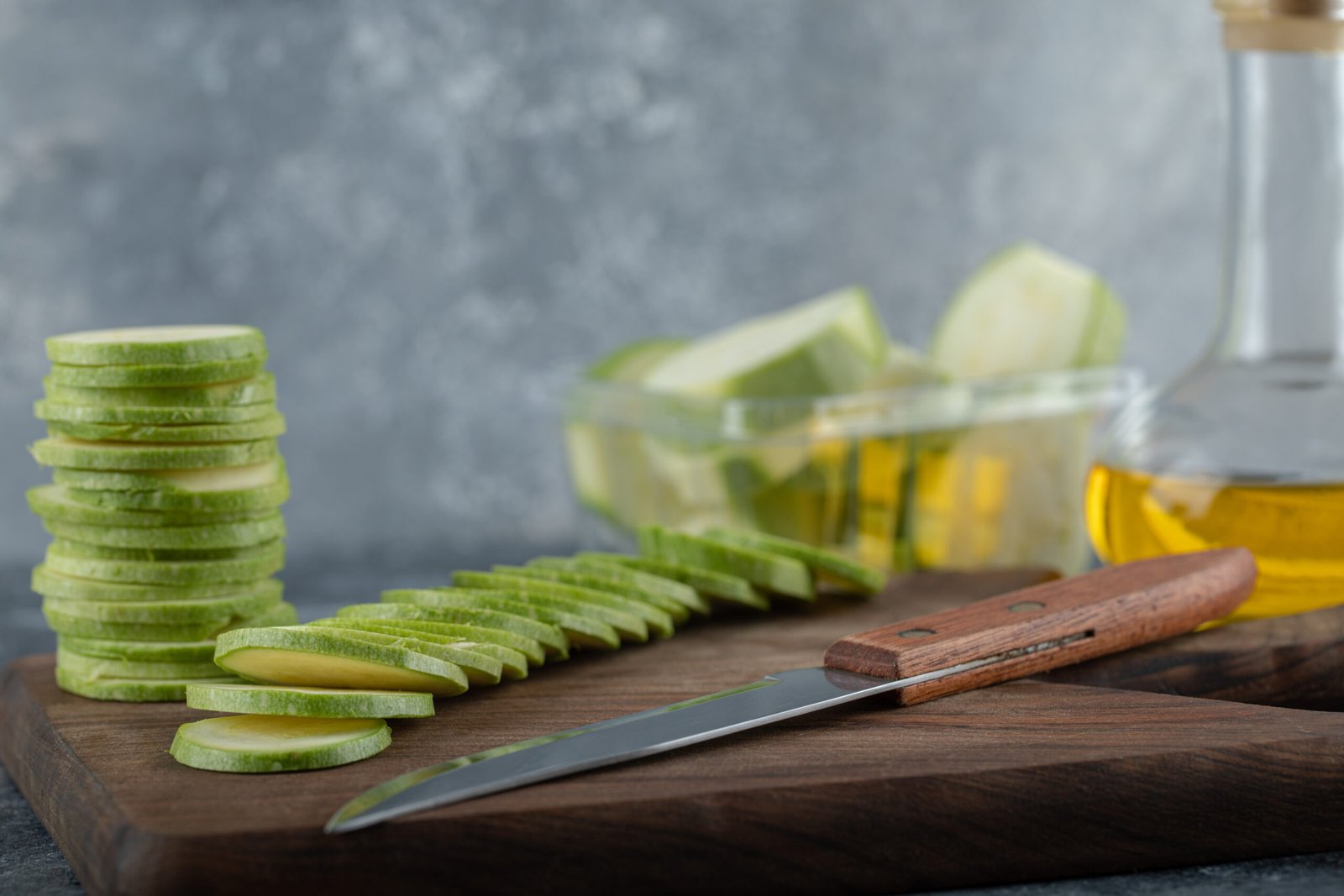
Delhi’s Top Dietician Avni Kaul, Shares How to Eat Cucumber and Things to Do and not to Do
It is summer and it is advisable to eat foods with high water content. Cucumber is one such food that contains water naturally. You may be surprised to know that the cool cucumber does not just work wonders as a face mask or dark circle remover. It has some fabulous health benefits, says leading Dietician Avni Kaul.
Cucumbers and salads are almost synonymous with each other. It is considered a fruit as well as a vegetable by many as it belongs to the same plant family as that of the pumpkin, squash, or watermelon, i.e. the Cucurbitaceae family. Magically, refreshing cucumbers are long and lean and available in several colours. They have a distinct mild melon-like taste and smell because of the presence of aldehydes. The slight bitterness of cucumber skin is due to the presence of cucurbitacins in it.
Cucumbers contain 96% water. They are perfect for detoxification and preventing dehydration. Cucumbers are high in phytonutrients and vitamin K. They are a good source of pantothenic acid and Molybdenum. They also have copper, potassium, manganese, vitamin C, B1, phosphorus, magnesium, and vitamin. Here, India’s leading Dietician for weight loss Avni Kaul shares some of the wonderful health benefits of cucumber that you need to know.
Excellent for hydration and detoxification
As mentioned above, cucumbers are 96% water. Consuming cucumbers regularly quenches the need for water in our bodies, thus keeping us hydrated. This is helpful particularly during summers when we tend to get dehydrated easily. Cucumber also works as a coolant, giving us relief from the summer heat. Detox water made of cucumber and mint, effectively removes toxins from the body, boosts hydration and thus results in multiple health benefits.
Aids in digestion
Cucumbers work as a coolant for our stomachs. The soluble fibre in cucumbers supports slowing your digestion. Also, the high amount of water in cucumber makes the stools soft, helps to prevent constipation, and keeps bowel movements regular.
Regulates blood pressure
Cucumbers are a good source of potassium, magnesium, and dietary fibre. These nutrients are well-known to reduce blood pressure, thus lowering the risk of heart disease. Research has also shown that regular consumption of cucumber juice is helpful in reducing blood pressure in elderly individuals with hypertension.
Good for weight loss
Cucumbers have a high water content and are low in calories. There are merely 15.5 calories in 100 g of cucumber. The high water and low-calorie content of cucumbers helps in losing weight.
Lowers blood sugar
Cucumbers are known to lower blood sugar levels thereby being helpful in the management and prevention of diabetes mellitus.
Gives great skin
Cucumbers are fine beauty enhancers. They show good effects on the skin. The application of cucumber juice on your skin makes it soft and glowing. The anti-inflammatory effects of cucumber naturally lighten your skin and reduce tanning. It also lessens wrinkles and fine lines.
Soothes eyes
Keeping cucumber slices over the eyes for 10 minutes relaxes your eyes and lessens puffiness around them.
Helpful for nails and hair
Cucumbers have silica which is excellent for our hair and nail care. They help in strengthening the nails and prevent them from becoming brittle.
Helps to get rid of bad breath
Phytochemicals inside the cucumber destroy the bacteria in our mouth that are responsible for bad breath.
How to eat for the best results?
- It is best to eat cucumbers unpeeled to prevent loss of fibre, vitamins, and minerals.
- Raw cucumbers could be tossed in salads, sandwiches, and curd for a crunchy taste.
- You can also make sabzi and soups using cucumber.
Things to take care of
- Consuming cucumbers might lead to digestive issues such as bloating and flatulence in certain people.
- People with kidney problems must not consume excessive cucumber as it can boost the water content and potassium in the body which is harmful to them.
- People on blood thinners should not eat excessive cucumber, as Vitamin K in them could make blood clotting further difficult.
- Individuals allergic to cucumber may show symptoms such as hives, swelling, and difficulty in breathing.