
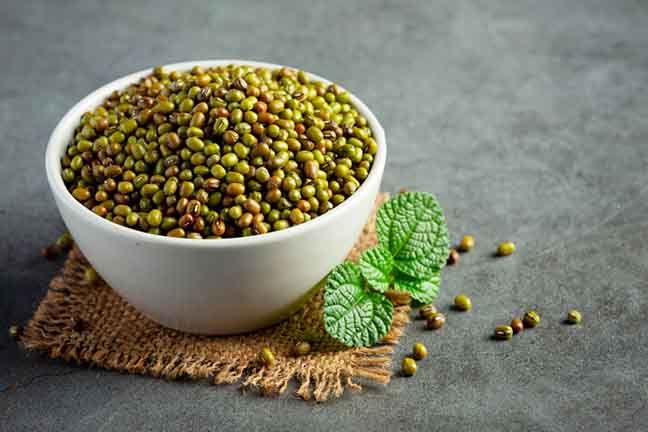
The 5 benefits of sprouts make them one of nature’s most powerful superfoods, especially if you’re looking to lose weight, improve digestion, or boost your immunity. Packed with vitamins, minerals, fiber, protein, and enzymes yet incredibly low in calories (only about 32 calories per 100g), sprouts like mung bean, alfalfa, lentil, and broccoli sprouts keep you full longer, enhance nutrient absorption, and support heart health, blood sugar control, and glowing skin.
If you like staying fit or enjoy eating healthy, adding raw sprouts to your diet can be great! You might have had them in a salad or soup before, but do you know what they are? Sprouts, whether you eat them raw or cooked, have lots of health benefits. Know more about why they are good for you from Delhi’s top dietician, Avni Kaul.
What are Sprouts?
Sprouts are a mix of different foods. They are very young plants that are harvested just a few days after they germinate. They come in four main types: bean and pea sprouts like mung bean and lentil, veggie sprouts including broccoli and alfalfa, nut and seed sprouts such as pumpkin seed and sunflower seed, and sprouted grains like wheatgrass and quinoa. Whether you eat them raw or boiled, sprouts are packed with vitamins and minerals that are essential for good health.
What are the health benefits of eating sprouts?
Rich in various nutrients – Sprouts, despite being low in calories, are packed with nutrients and beneficial plant compounds. During the sprouting process, nutrients like protein, folate, magnesium, phosphorus, manganese, and vitamins C and K increase compared to un-sprouted plants. Sprouting also boosts the levels of essential amino acids and makes the proteins easier to digest. Additionally, sprouts are rich in antioxidants and have lower levels of antinutrients, which can hinder nutrient absorption. Foods made from sprouted beans, like tofu and soy milk, tend to be more nutritious than those made from unsprouted beans.
Controls Blood Sugar – It is said that sprouts help to control blood sugar levels. According to some studies, sprouting decreases the total carb content in sprouts, making them a favourable snack choice for diabetics. This effect may arise from two distinct processes. Firstly, sprouts contain fewer carbs compared to unsprouted seeds and grains, potentially aiding in insulin level regulation. Additionally, the presence of enzymes in sprouts influences carbohydrate metabolism in the body. Nonetheless, further research is required to ascertain the exact cause of this effect.
Improves Digestion – You will be glad to know that eating sprouts can improve your digestion. Sprouting seeds increase their fiber content, especially insoluble fiber, which feeds good bacteria in your gut and reduces bloating. Studies show sprouted grains can contain up to 133% more fiber and beans up to 226% more. Insoluble fibre helps prevent constipation by aiding in stool formation and movement through the gut. Sprouting also reduces gluten in grains, making them easier to digest for gluten-sensitive individuals. Additionally, sprouted foods have fewer antinutrients, making nutrient absorption during digestion easier.
Good for Your Heart – Sprouts, such as lentils and broccoli sprouts, have shown promising effects on heart health. Research suggests that incorporating sprouts into your diet may lower LDL cholesterol, total cholesterol, and triglyceride levels while increasing HDL cholesterol. Studies have specifically highlighted benefits for individuals with diabetes or obesity, demonstrating reductions in cholesterol levels and triglycerides. For example, consuming lentil sprouts daily for eight weeks resulted in higher HDL cholesterol and significantly lower triglycerides and LDL cholesterol levels compared to a control group.
Similarly, consuming broccoli sprout powder led to decreased triglyceride levels and increased HDL cholesterol in people with type 2 diabetes. Additionally, eating fresh broccoli sprouts daily for a week showed reductions in LDL and total cholesterol in men and increased HDL cholesterol in women. These findings suggest that sprouts can play a role in promoting heart health and reducing the risk of heart disease and atherosclerosis.
A Drawback of Raw Sprouts – It is important to note that raw sprouts may carry bacteria such as Salmonella or E. Coli, that may cause food poisoning. So, ensure you purchase chilled sprouts that have been adequately refrigerated., and always avoid consuming sprouts with a strong odour or slimy appearance. Last but not least, remember to wash your hands thoroughly before handling raw sprouts.
Now that you know the health secrets of raw sprouts, don’t hesitate to include them in your daily diet after consulting your nutritionist.