

Lifestyle diseases like diabetes, hypertension, obesity, and gut problems are rising quickly and affecting people at younger ages. Unlike infections, these conditions are shaped by habits such as diet, sleep, and stress.
As a nutritionist, I have seen how the right food choices can prevent and even reverse many of these issues. Nutrition is not just about weight; it supports healing, energy, and long-term health.
I’m Avni Kaul, and in this blog, I will explain what lifestyle diseases are, the common lifestyle diseases we face, and how diet plans, such as an inflammatory bowel disease diet and lifestyle or a hypertension diet chart, can help make managing them easier.
What Are Lifestyle Diseases?
Lifestyle diseases are health conditions that primarily develop due to poor habits such as unhealthy eating, lack of exercise, high stress, and irregular sleep. Unlike infectious diseases, they don’t spread from person to person but are linked to the way we live.
Some common lifestyle diseases include:
- Diabetes
- Hypertension (high blood pressure)
- Heart disease
- Obesity
- Inflammatory Bowel Disease (IBD)
- Hypotension (low blood pressure)
- Fatty liver disease
- PCOS
Why Are Lifestyle Diseases on the Rise?

The modern lifestyle contributes greatly to these issues. Sedentary jobs, processed foods, late-night work schedules, and high stress all combine to affect our health. For example:
- Constantly eating refined carbs and fried food increases diabetes and obesity risk.
- Skipping meals or having excess caffeine worsens hypertension.
- High stress and poor diets trigger inflammatory bowel disease.
Role of Nutrition in Managing Lifestyle Diseases
As a nutrition expert, I believe dietary management is the foundation of controlling and even reversing these conditions. Medicines may control symptoms, but food heals from within.
Let’s break this down by condition:
| Condition | Nutrition Role | Example Approach |
| Diabetes | Controls blood sugar | Balanced meals with fiber, protein, low GI carbs |
| Hypertension | Regulates blood pressure | DASH diet, low sodium, potassium-rich foods |
| Hypotension | Prevents dizziness & weakness | Small, frequent meals, hypotension diet chart |
| IBD | Reduces gut inflammation | Customized inflammatory bowel disease diet and lifestyle |
| Obesity | Supports healthy weight loss | Portion control, mindful eating, balanced calories |
Diabetes
Diabetes is one of the most common lifestyle diseases, and it occurs when the body struggles to manage blood sugar levels.
Key points to manage diabetes with diet:
- Avoid refined carbs and excess sugar.
- Include whole grains, lentils, and high-fiber foods.
- Add lean proteins like fish, eggs, and paneer for satiety.
- Eat small, frequent meals to prevent sugar spikes.
- Follow structured dietary management with professional guidance.
Hypertension
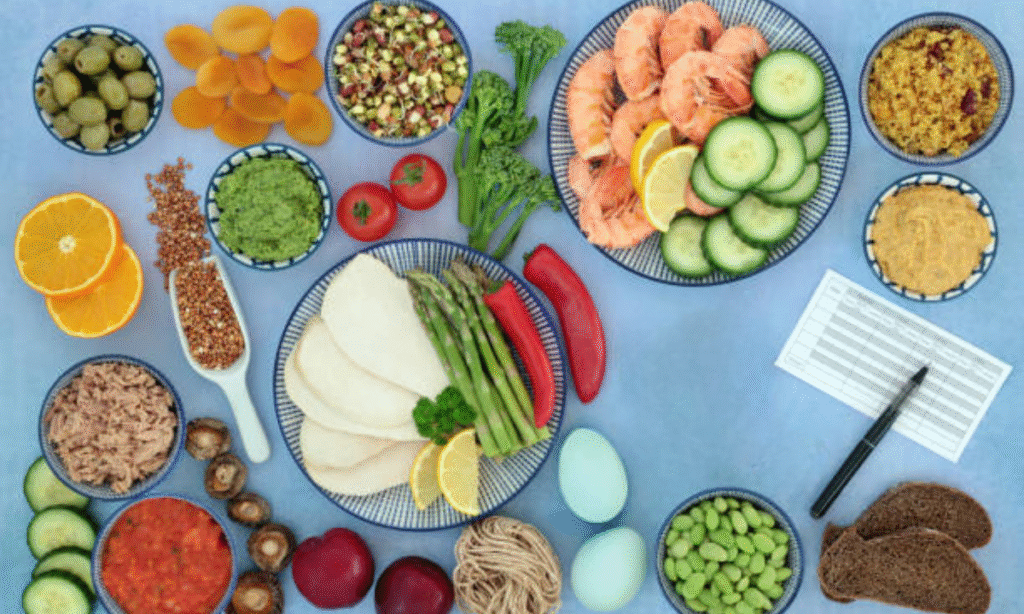
Hypertension, or high blood pressure, often develops silently but has serious long-term risks.
Key points to manage hypertension:
- Limit salt and processed food intake.
- Add potassium-rich foods like bananas, spinach, and sweet potatoes.
- Stay hydrated and manage stress through relaxation techniques.
- Include heart-healthy fats like nuts, seeds, and olive oil.
- Follow or consult a nutritionist for hypertension for a personalized plan.
Hypotension Diet Chart Example
For those struggling with low blood pressure, here’s a sample day from a hypotension diet chart:
| Meal | Foods |
| Breakfast | Vegetable poha with peanuts + a glass of lemon water with salt |
| Mid-morning | Roasted chana + coconut water |
| Lunch | Brown rice, dal, stir-fried veggies, pickle |
| Evening snack | Tea with whole-grain biscuits |
| Dinner | Multigrain roti + paneer curry + salad |
Tip: Keep hydrated and include slightly salty foods in moderation, as they can help maintain blood pressure levels.
Inflammatory Bowel Disease Diet and Lifestyle
IBD, which includes Crohn’s disease and ulcerative colitis, can be extremely challenging. Diet plays a huge role here.
Foods for gut health: bananas, oats, rice, boiled veggies.
Avoid: spicy food, excess caffeine, fried snacks.
Probiotics for gut health: curd, kefir, kimchi, sauerkraut.
Lifestyle tips: stress management and gentle exercise.
Tip: Eating smaller, frequent meals rather than heavy portions often reduces flare-ups.
Foods for Gut Health
Gut health is often overlooked but is central to preventing lifestyle diseases. A strong gut boosts immunity, improves digestion, and even supports mental health.
Examples of Gut-Friendly Foods:
- Yogurt, kefir (rich in probiotics for gut health)
- High-fiber foods: oats, apples, beans
- Fermented foods: kimchi, sauerkraut
- Hydrating fruits and vegetables
Tip: Avoid overuse of antibiotics and highly processed junk food, as these damage gut bacteria. If you struggle with recurring gut issues, consulting the Best Gastrointestinal Dietician in Delhi can give you a clear dietary roadmap.
Obesity
Obesity is another major lifestyle disease that increases the risk of diabetes, hypertension, and heart problems. It often develops due to unhealthy eating habits, stress, and lack of physical activity.
Key points to manage obesity:
- Avoid fried, sugary, and highly processed foods.
- Focus on portion control and mindful eating.
- Include high-fibre foods like vegetables, fruits, and whole grains to stay full longer.
- Add regular physical activity, walking, strength training, or yoga.
- Prioritize dietary management with a professional for sustainable weight loss.
Why Consult a Nutrition Expert?
While general diet advice helps, every person’s needs are unique. That’s why working with a qualified expert like the best nutritionist in Delhi can be life-changing.
At Nutri Activania, we provide personalized nutrition plans that consider your medical history, lifestyle, and preferences. Whether you are managing diabetes, blood pressure, or gut health issues, having a structured dietary approach makes it easier to stay consistent and see real results.
Practical Lifestyle Tips
- Eat on time – irregular meals confuse metabolism.
- Stay active – even 30 minutes of walking daily helps.
- Sleep well – aim for 7–8 hours of restful sleep.
- Manage stress – through yoga, meditation, or journaling.
- Stay hydrated – water and herbal teas are your best friends.
Sample 1-Day Balanced Meal Plan for Lifestyle Disease Management
| Meal | Foods |
| Breakfast | Vegetable upma + curd (for probiotics) |
| Mid-morning | Seasonal fruit + handful of nuts |
| Lunch | 2 multigrain rotis + dal + mixed veg curry + salad |
| Evening snack | Green tea + roasted chana |
| Dinner | Grilled fish/tofu + sautéed veggies + quinoa |
FAQs
Q: What are the most common lifestyle diseases?
A: Diabetes, hypertension, obesity, heart disease, PCOS, and gut-related issues like IBD are among the most widespread.
Q: Can nutrition alone manage lifestyle diseases?
A: In many cases, yes. However, diet often works best when combined with medication, exercise, and lifestyle changes under expert guidance.
Q: What foods improve gut health quickly?
A: Yoghurt, kefir, sauerkraut, oats, apples, and beans are excellent for gut health. Including probiotics for gut health daily is especially beneficial.
Q: How does diet help with hypertension?
A: Reducing salt, avoiding processed foods, and eating potassium-rich foods form the basis of dietary management. A nutritionist for hypertension can customize this further.
Q: Should I follow the same diet for both hypertension and hypotension?
A: No. They require very different approaches. For hypertension, salt intake should be reduced, while in hypotension, slightly higher salt intake may be allowed as per a hypotension diet chart.
Final Thoughts
Managing lifestyle diseases is not about quick fixes but about building long-term habits that nurture your body. From balancing blood sugar to improving gut health, nutrition is at the heart of recovery and prevention.
If you are struggling with any of these conditions, working with the best nutritionist in Delhi can give you the clarity and confidence you need. At Nutri Activania, I, Avni Kaul, believe that every individual deserves a personalized plan that blends science, empathy, and real-world practicality. With the right dietary management, you can take control of your health and live a more energetic, balanced life.
