
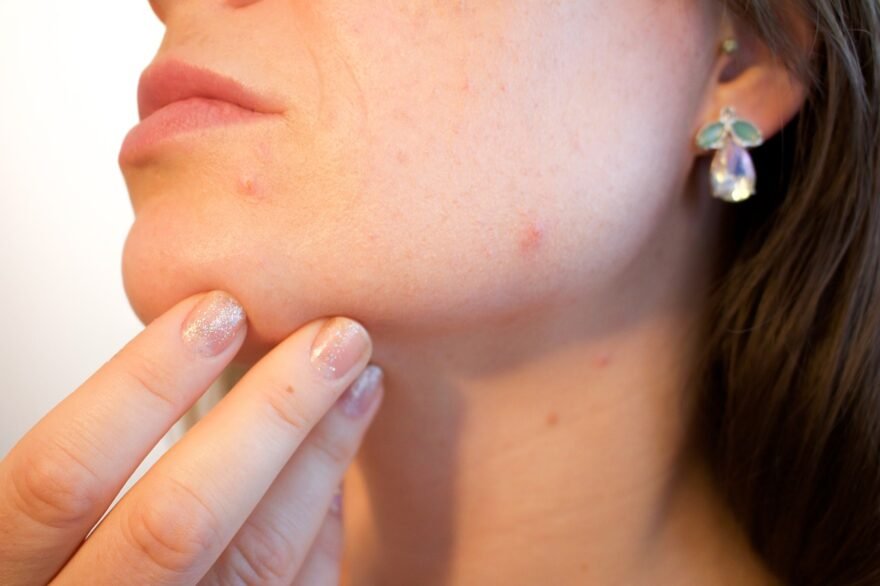
Acne is a pretty common skin related problem which bothers plenty of people from time to time right from adolescent till adulthood. These unwanted spots on your face are quite frustrating at times. When it comes to taking care of acne-affected skin, you all know how critical it is cleansing, toning, moisturizing and protecting your skin from the sun are. But according to Nutritionist Avni Kaul founder of Nutri Activania, there’s an oft-overlooked yet an important element in banishing those blemishes for good. Which is your nutrition?
Conventional logic states that acne is indirectly associated with nutrition. However, many studies have confirmed that some foods can aggravate acne, and other foods can help reduce outcomes. Specific nutrients, whether in food or supplement form, can not only improve your overall health and wellbeing but also boosts the results of your topical acne treatments.”
You need to understand that if you apply good things into your body, you’ll get good results and this translates to healthier skin.
In this article, Delhi’s eminent Nutritionist and Dietician Avni Kaul say for a consistently clear complexion from the inside out, have these wonder nutrients that will help your skin to counter against acne. Here are some of those nutrients.
Vitamin A
Vitamin A is known as retinyl palmitate in its pure form. Vitamin A triggers healthy skin cell formation and is vital for skin renewal. It lowers production of the skin’s natural oil, called sebum, and helps stop keratin build up in the follicle that results in clogged pores. While your body modifies all carotenoids into vitamin A as required, beta-carotene converts most readily and is most widely present. It is possible to get too much pure vitamin A, so look for carrots, spinach, cod liver oil and broccoli.
Probiotics
Probiotic is a nutrient that helps keep skin clear. Probiotics help more than just the digestive tract. Probiotics have been shown to lower acne lesions and reduce oil production. When applied topically to the skin, these beneficial bacteria act as a protective guard to stop the acne-causing bacteria P. acnes from propagating and provoking an inflammatory response in the form of a blemish. As an oral supplement in the form of Lactobacilli or Bifidobacterium, probiotics can influence the gut-brain-skin axis. This obstructs bad bacteria from taking over the gut and releasing toxins that cause inflammation throughout your body, including acne flare-ups on your face. Paneer, soybean, idli, and yogurt are some of the best resources of probiotics.
Selenium
One important factor is that the lack of selenium can contribute to inflammatory skin conditions such as acne. Selenium assists the body produce glutathione peroxidase, an enzyme that counters inflammation. It also works to safe other skin-supporting antioxidants like vitamins A and E, which help minimize acne lesions and scarring. You can avail selenium from fish, sunflower seeds, spinach, and bananas.
Zinc
Deficiency of zinc can be a cause of acne, particularly in adolescents. An important nutrient for skin health, zinc assists prevent acne by regulating oil gland activity, lowers acne severity and strengthens skin cells to minimize acne scars. It assists in collagen formation and, in conjunction with vitamin A, helps enhance healing, control inflammation and regenerate tissue. Sesame seeds, sunflower seeds, cardamom (Elaichi) and fenugreek seeds (Methi) are sources of zinc-based foods.
Chromium
This is another fantastic mineral that improves glucose tolerance and insulin sensitivity. The insulin response is actually important for skin health because spikes in blood sugar levels can cause an increase in blemishes. Chromium assists not only to balance blood sugar levels but also to boost skin cell metabolism. Amaranth, turmeric powder (Haldi), mint leaves (Pudina) and rajma are few foods through which you can get chromium.
MSM (Methylsulfonylmethane)
MSM is a naturally present chemical found in human hair, skin, tissues, and joints. It combats inflammation, helps soften skin and boosts pore permeability, helping to keep pores clean and clear. MSM also assists in regulating keratin production and averting overactive sebaceous follicles. Easily available sources of MSM are apples, grains, legumes, and cow milk.