
By Dietician Avni Kaul — Gold Medalist, M.Sc. Food & Nutrition, Lady Irwin College, University of Delhi | Founder, Nutri Activania
Healthy eating habits form the foundation of a child’s health, growth, and immunity. Good nutrition in childhood doesn’t just prevent deficiencies, it also shapes food preferences that last a lifetime.
As a parent myself, I understand how tricky it can be to balance a child’s cravings for fries, burgers, and chocolate against the need for nutritious meals. That’s why I always tell parents it isn’t about banning foods altogether, it’s about building balance, variety, and consistency.
At Nutri Activania, I’ve worked with many families to improve their children’s diets. As a dietician in Delhi, I often guide parents who want to raise children with mindful eating habits without turning mealtimes into a daily battle.
In this blog, I’ll share 10 simple, practical ways to build healthy eating habits in kids, along with examples, tips, and a quick reference chart. The last point might surprise you, so stick with it till the end.
1. Start with Breakfast Every Day
Breakfast fuels school and play. Rather than sugary cereals, I recommend vegetable poha, idli, oats with fruit, or scrambled eggs with toast. These keep children energised and focused through the morning.
2. Lead by Example
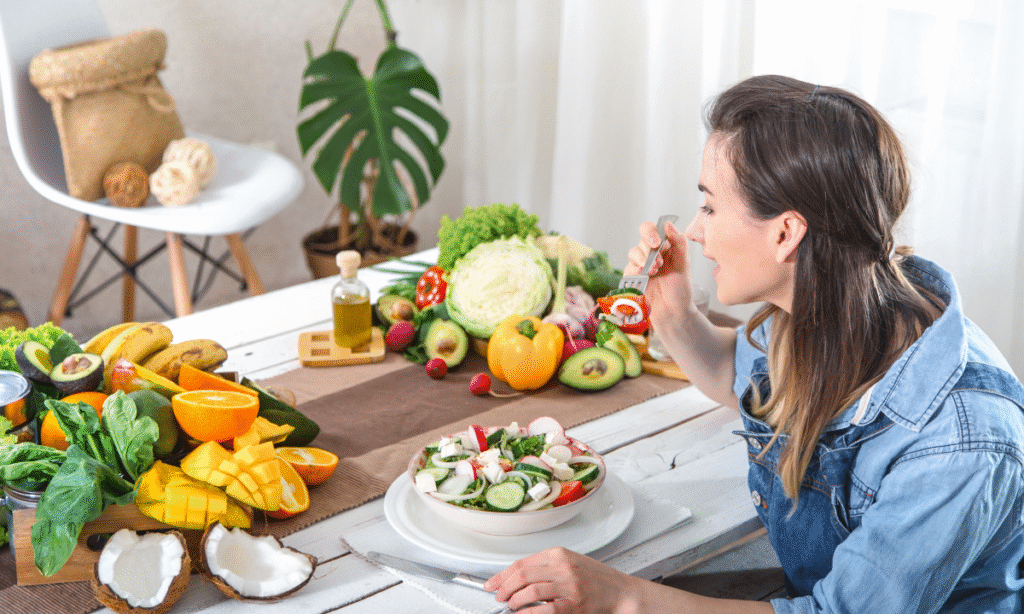
Children copy what they see. If you eat balanced meals with fruits, salads, and whole grains, your child is far more likely to follow suit. Your plate is their biggest teacher.
3. Make Healthy Swaps for Junk Food
Junk food can’t always be avoided, but it can often be swapped for something better.
Here’s a simple healthy food swap chart:
| Junk Food | Healthy Swap |
|---|---|
| Chips | Roasted makhana or popcorn |
| Soft drinks | Coconut water or lemon water |
| Burgers | Whole wheat veggie sandwich |
| Ice cream | Frozen yoghurt with fruit |
4. Keep Portions Child-Friendly
Children have smaller stomachs, so portion size matters. Using smaller plates or bowls helps children learn to stop when they’re full, rather than overeating, even with healthy food.
5. Get Kids Involved in Cooking
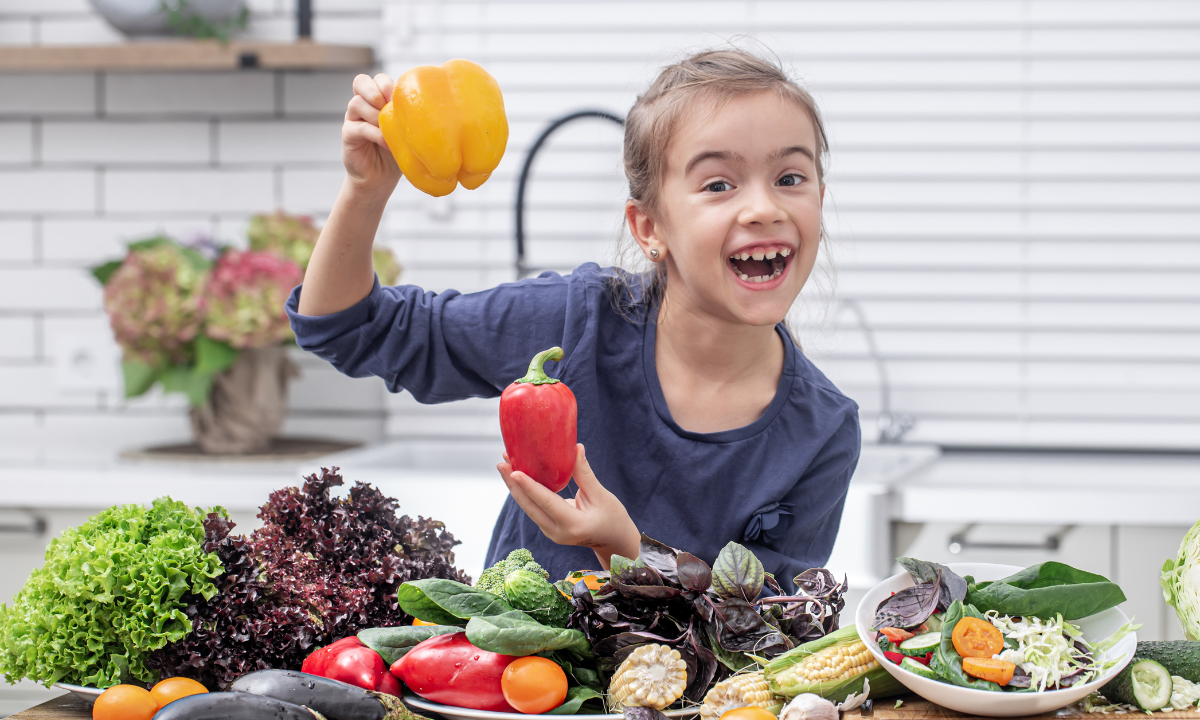
When children wash vegetables, stir batter, or arrange food on their plate, they feel proud and excited about it. I’ve noticed children eat better when they’ve had a hand in preparing the meal.
6. Talk About Food in a Fun Way
Instead of saying “this is healthy,” I explain benefits in simple terms:
- Eating carrots and following a healthy diet for kids can keep eyesight strong
- Milk makes bones stronger
- Nuts make the brain smarter
This builds a genuinely healthy relationship with food and avoids labelling anything as strictly “good” or “bad”.
7. Limit Screen Time During Meals
TV and gadgets pull children’s attention away from food. Family meals at the dining table encourage mindful eating and double up as valuable bonding time.
8. Offer Variety in Meals
Children respond well to colour and variety. Rotating between parathas, dal-chawal, khichdi, pasta with vegetables, and millet dosa keeps meals interesting while still delivering balanced nutrition.
9. Balance Health and Junk Food
Allowing one treat day a week helps manage cravings. When children know pizza or cake is allowed occasionally, they’re less likely to demand it daily. This balance tends to work better in the long run.
10. Seek Expert Guidance When Needed
If your child struggles with weight, fussiness, or poor nutrition, a child dietician and nutritionist in Delhi can design a personalised healthy eating plan that works for your family.
Quick Chart on Healthy Eating Habits
| Habit | Why It Matters |
|---|---|
| Eating breakfast daily | Boosts focus and energy |
| Drinking enough water | Prevents fatigue |
| Eating more fruits/veggies | Builds immunity |
| Reducing sugary snacks | Prevents obesity |
| Family meals together | Encourages mindful eating |
Example from My Practice
A mother once came to me worried about her 7-year-old’s love of fast food. Rather than strict bans, we introduced roasted makhana, colourful fruit salads, and a homemade whole wheat pizza once a week. Gradually, her son started asking for healthier meals on his own.
As a nutritionist in Delhi, I’ve seen small, consistent changes like this transform families’ eating habits time and again.
Tips for Parents
- Keep fruit washed and ready to eat
- Avoid overstocking packaged snacks at home
- Praise children when they try new foods
- Avoid using sweets as bribes or rewards
- Plan meals in advance to avoid last-minute unhealthy choices
- Let your child choose one healthy dish for the weekly menu
Final Thoughts
Building healthy eating habits in children is about patience and creativity, not perfection. Small steps like healthy swaps, portion control, and family meals make a lasting difference.
If you’re looking for personalised guidance, consulting a dietician in Delhi can help. At Nutri Activania, I’ve worked with many parents to make mealtimes stress-free and enjoyable, while making sure children get the nutrition they need.
FAQs
1.What is healthy eating for children?
It means including proteins, whole grains, fruits, vegetables, dairy, and healthy fats while cutting back on sugary snacks, fried food, and processed items. Balance and moderation are key.
2. How to teach kids healthy eating habits?
Make meals colourful and engaging, involve children in cooking, explain benefits in fun, simple terms, and keep trying gently without forcing them to eat what they dislike.
3. Is milk important for kids?
Yes, it provides calcium, protein, and vitamin D for bone strength. If a child dislikes milk, curd, paneer, or fortified plant milk make good substitutes.
4. How to handle picky eating?
Introduce one new food at a time alongside familiar favourites. Keep offering it without pressure, children usually need several attempts before accepting a new taste.
5. Can kids eat junk food sometimes?
Yes, occasional treats are fine. The focus should be on moderation and teaching balance rather than strict avoidance.
6. How much water should children drink daily?
On average, children need 5 to 7 glasses of water a day, depending on age and activity level. Encourage sipping water rather than reaching for soft drinks or packaged juices.
7. Are sweets harmful if eaten daily?
Frequent sweets can contribute to cavities and weight gain. It’s best to limit them to special occasions and offer natural alternatives such as dates, jaggery-based laddoos, or fruit-based desserts.