
After delivery, your body needs time to recover from pregnancy and childbirth. At the same time, you may be adjusting to breastfeeding, interrupted sleep and the demands of caring for a newborn.
I often hear new mothers ask me, “What should I eat after delivery?”, “Can I follow a postnatal diet chart?” and “When can I start losing my pregnancy weight?”
My approach is simple: postnatal nutrition should first support recovery and nourishment. Weight management should come gradually.
You don’t need expensive foods or a complicated diet after delivery. A well-planned Indian diet can provide protein, iron, calcium, fibre, healthy fats and other nutrients you need during this stage.
If you are breastfeeding, your nutritional needs also continue to be important. The CDC notes that well-nourished breastfeeding mothers generally need additional energy compared with their pre-pregnancy intake, although individual requirements vary.
Why Is a Postnatal Diet Important?
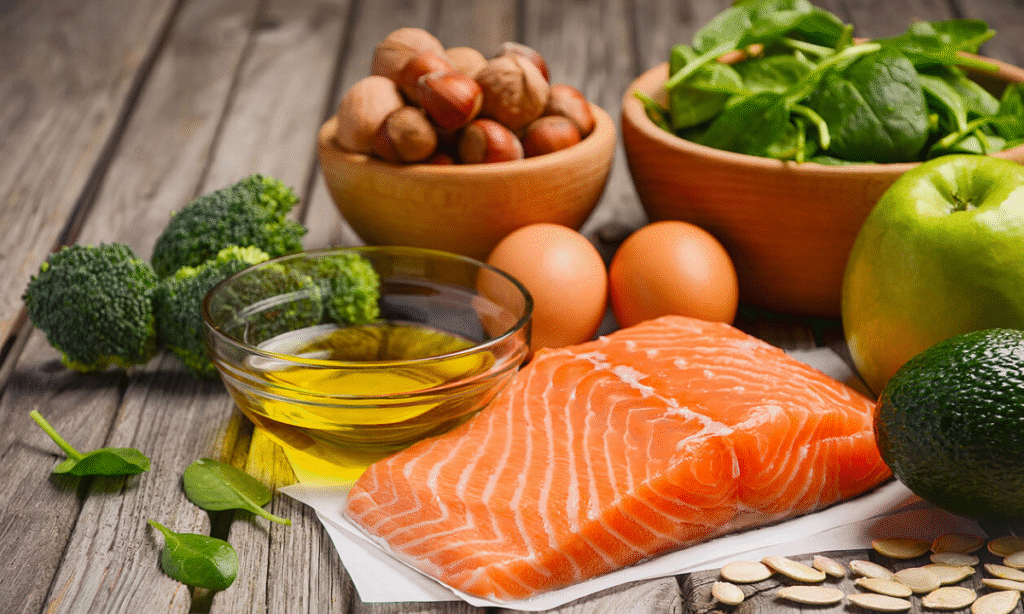
The weeks after delivery are a period of recovery.
Your postnatal diet should help you:
- Support recovery after childbirth
- Replenish important nutrients
- Maintain energy
- Support breastfeeding if you choose to breastfeed
- Get enough protein and other essential nutrients
- Support digestion and regular bowel movements
- Gradually return to a healthy weight
I don’t recommend following a very restrictive diet immediately after delivery.
Your body needs nourishment first.
Postnatal Diet Chart for Indian Mothers
Here is a simple example of how I may structure a postnatal diet chart using familiar Indian foods.
| Time | Food options |
|---|---|
| Early morning | Water + soaked nuts if preferred |
| Breakfast | Besan chilla with paneer / vegetable poha with curd / oats with milk and nuts |
| Mid-morning | Seasonal fruit + nuts |
| Lunch | 2 chapatis or rice + dal + vegetable + curd + salad |
| Evening | Roasted chana / fruit / buttermilk / homemade snack |
| Dinner | Roti or rice + paneer/tofu/egg/chicken/fish + vegetables |
| Bedtime | Milk if suitable and required |
This is an example, not a fixed diet prescription.
Your portion sizes should depend on your appetite, activity level, breastfeeding status, medical history and nutritional requirements.
1. Include Protein in Your Postnatal Diet
Protein is one of the nutrients I focus on when planning a post-delivery diet.
Good options include:
- Dal
- Moong
- Rajma
- Chole
- Sprouts
- Paneer
- Curd
- Milk
- Eggs
- Tofu
- Chicken
- Fish
- Nuts and seeds
Try to include a protein source in your main meals instead of making your meals mainly carbohydrate-based.
For example:
Chapati + dal + vegetables
is more balanced than simply eating several chapatis.
Similarly:
Rice + rajma + vegetables + curd
can make a satisfying meal.
2. Eat Iron-Rich Foods
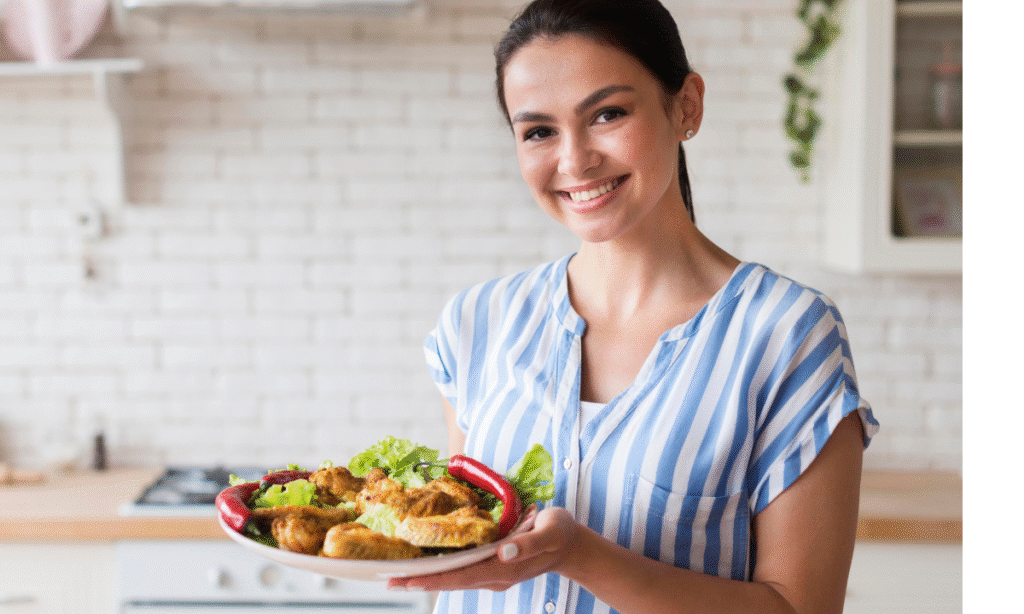
Iron deserves special attention after delivery, particularly if you experienced significant blood loss or had low iron during pregnancy.
Some useful foods include:
- Green leafy vegetables
- Dal
- Rajma
- Chole
- Sesame seeds
- Eggs
- Meat
- Fish
- Iron-fortified foods
When eating plant-based sources of iron, including vitamin-C-rich foods can help improve iron absorption.
You can add lemon to meals or include fruits such as guava, orange or amla.
If your doctor has prescribed an iron supplement, don’t stop it without medical advice.
3. Include Calcium-Rich Foods
Calcium is another important nutrient during the postnatal period, especially while breastfeeding.
Simple options include:
- Milk
- Curd
- Paneer
- Ragi
- Sesame seeds
- Calcium-fortified tofu
- Fortified dairy alternatives
You don’t need to consume large quantities of one particular food.
Instead, include suitable calcium-rich foods regularly as part of your meals.
4. Eat Vegetables and Fruits Every Day
Vegetables and fruits provide fibre, vitamins, minerals and other beneficial plant compounds.
They can also be useful when constipation becomes an issue after delivery.
Include vegetables such as:
- Spinach
- Carrot
- Beans
- Lauki
- Pumpkin
- Bhindi
- Peas
- Broccoli
- Cauliflower
For fruits, you can choose:
- Guava
- Apple
- Orange
- Papaya
- Pear
- Banana
- Seasonal fruits
The NHS recommends a varied diet containing fruit and vegetables, starchy foods, protein foods and dairy or suitable alternatives while breastfeeding.
5. Don’t Completely Avoid Rice or Roti
One common mistake I see is mothers thinking that they need to stop eating rice or roti after delivery to lose weight.
You don’t.
Carbohydrates can be part of a balanced postnatal diet.
You can include:
- Chapati
- Jowar roti
- Bajra roti
- Ragi
- Rice
- Dalia
- Oats
- Other whole grains
What matters is the portion and the overall meal.
If you enjoy traditional Indian foods, there is usually no need to replace everything with expensive “health foods.”
6. Include Healthy Fats
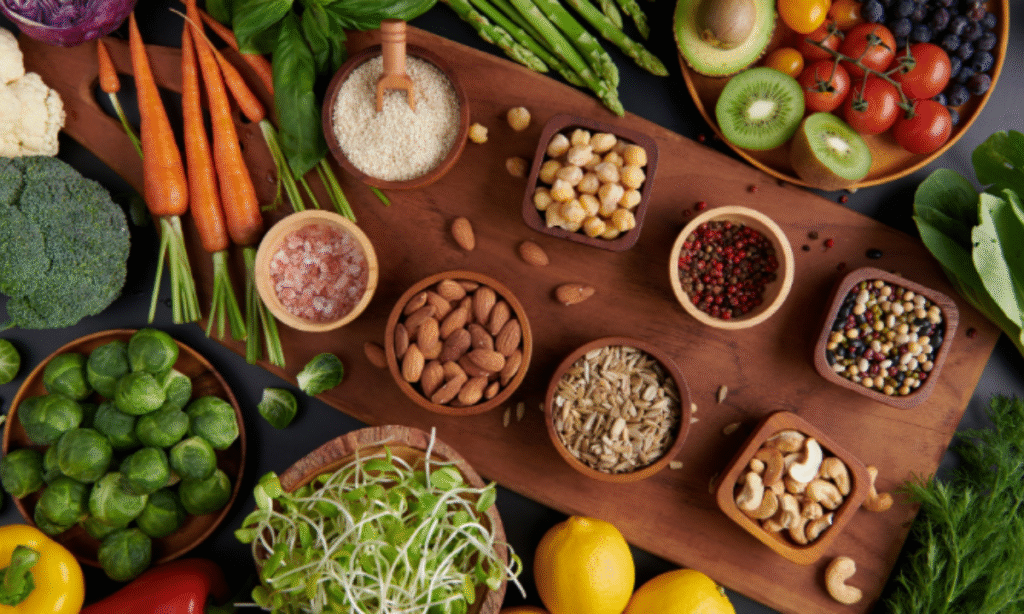
Healthy fats can be included in appropriate amounts.
Examples include:
- Almonds
- Walnuts
- Peanuts
- Flaxseeds
- Chia seeds
- Sesame seeds
- Nut butters
- Ghee
- Suitable cooking oils
Ghee is commonly included in traditional postnatal meals.
You don’t need to completely avoid it, but remember that ghee is calorie-dense. Large quantities can make it harder to manage your overall calorie intake.
7. Drink Enough Fluids
Hydration is particularly important when you are breastfeeding.
Keep water nearby throughout the day.
You can also include:
- Buttermilk
- Milk
- Soups
- Coconut water
- Water-rich fruits
The NHS recommends drinking plenty of fluids during breastfeeding and suggests keeping a drink nearby when feeding.
You don’t need to force yourself to drink excessive quantities. Drink regularly and respond to your thirst.
Postnatal Diet for Breastfeeding Mothers
If you are breastfeeding, you generally don’t need to follow a special or extremely restrictive diet.
A varied diet containing vegetables, fruits, whole grains, protein foods and dairy or suitable alternatives can provide a strong nutritional foundation.
Some nutrients deserve particular attention during lactation, including iodine and choline. The CDC also notes that women following vegetarian or vegan diets may need individual assessment for nutrients such as vitamin B12, iron, iodine and omega-3 fats.
If you have a specific medical condition or your baby has a health concern that may affect breastfeeding, speak with your doctor or lactation professional.
What Food Should a Mother Eat After Delivery?
If you are wondering about mother food after delivery, think in terms of balanced meals rather than a list of “special” foods.
A simple lunch could be:
2 chapatis + dal + vegetable sabzi + curd
A vegetarian dinner could be:
Jowar roti + paneer/tofu + cooked vegetables
A non-vegetarian option could be:
Rice + fish/chicken + vegetables + curd
The goal is to combine carbohydrates, protein, vegetables and suitable fats.
Can You Eat Traditional Post-Delivery Foods?
Yes.
Traditional foods can certainly have a place in a postnatal diet.
Depending on your family and region, you may be offered foods such as:
- Panjiri
- Gond laddoo
- Dry-fruit preparations
- Ragi preparations
- Khichdi
- Dal
- Homemade soups
- Ghee-based foods
I don’t label these foods as automatically “good” or “bad.”
I look at the ingredients and portion.
For example, a preparation containing nuts and seeds may provide useful nutrients, but adding large quantities of ghee and sugar can make it very calorie-dense.
So enjoy traditional foods sensibly rather than eating unlimited quantities simply because they are considered postpartum foods.
Foods to Limit After Delivery
You don’t need a long list of forbidden foods.
I generally recommend limiting:
- Sugary drinks
- Excess sweets
- Frequent fried foods
- Highly processed snacks
- Excess bakery products
- Very sugary desserts
- Excessively salty packaged foods
- Alcohol
The goal is not perfection.
Your diet should be practical enough to follow while taking care of a newborn.
Can You Lose Weight After Pregnancy?
Yes, but I don’t recommend making rapid weight loss the first priority immediately after delivery.
Your body has just gone through pregnancy and childbirth.
I prefer this order:
Recovery → nourishment → breastfeeding support if applicable → gradual physical activity → sustainable weight management
Once your doctor clears you for physical activity, you can gradually become more active.
Your weight-loss plan should also take into account whether you are breastfeeding, your sleep, activity level, current weight, medical history and dietary preferences.
At Nutri Activania, I use personalised plans rather than giving every mother the same post-pregnancy diet chart.
Simple Post Delivery Diet Plan
Here is another practical example.
Breakfast
Choose one:
- Besan chilla + paneer
- Vegetable poha + curd
- Oats + milk + nuts
- Idli + sambar
Mid-Morning
- One fruit
- A few nuts
Lunch
- Chapati or rice
- Dal/rajma/chole
- Vegetable
- Curd
Evening
- Roasted chana
- Buttermilk
- Fruit
- Homemade snack
Dinner
- Roti/rice/jowar roti
- Paneer/tofu/egg/chicken/fish
- Vegetables
Bedtime
- Milk if suitable
This is a general example and should not be treated as an individual prescription.
Common Postnatal Diet Mistakes
Eating too little
Trying to lose pregnancy weight immediately can result in unnecessary restriction.
Eating too many calorie-dense traditional foods
Healthy ingredients can still contribute many calories when consumed in large amounts.
Ignoring protein
A diet consisting mainly of rice, roti and snacks may not provide adequate protein.
Forgetting hydration
New mothers often get so busy with the baby that they forget to drink regularly.
Following random diet charts
A postnatal diet chart found online may not account for your health history, breastfeeding status or nutritional needs.
When Should You Consult a Dietician?
A personalised plan can be particularly useful if you:
- Want to manage postpartum weight
- Are breastfeeding
- Have anaemia
- Have diabetes
- Had gestational diabetes
- Have PCOS
- Follow a vegetarian or vegan diet
- Have digestive problems
- Had a C-section
- Are experiencing persistent fatigue
- Are unsure about your nutritional requirements
At Nutri Activania, I focus on creating practical nutrition plans around your food preferences, lifestyle and individual requirements.
Frequently Asked Questions
What is the best postnatal diet chart?
A balanced postnatal diet chart should include adequate protein, vegetables, fruits, whole grains or other suitable carbohydrates, healthy fats and fluids. The exact portions should be personalised.
What should I eat after delivery?
Include protein-rich foods, vegetables, fruits, whole grains, dairy or suitable alternatives and healthy fats. Traditional Indian foods can also be included in appropriate portions.
What food is good for a mother after delivery?
Dal, paneer, curd, eggs, fish, chicken, vegetables, fruits, whole grains, nuts and seeds can all be part of a balanced post-delivery diet.
Can I eat rice after delivery?
Yes. Rice can be included in a postnatal diet. Portion size and the rest of the meal are important.
Can I eat ghee after delivery?
Yes, ghee can be included in moderation. It is calorie-dense, so large quantities are not necessary.
What should a breastfeeding mother eat?
A breastfeeding mother generally does not need a special restrictive diet. A varied, balanced diet with adequate fluids and nutrient-rich foods is recommended.
When can I start a postpartum weight-loss diet?
There is no single timeline for everyone. Recovery should come first, and weight management should be gradual and appropriate to your health and breastfeeding status.
Final Thoughts
A good postnatal diet chart does not need to be complicated.
Your everyday Indian food can provide excellent nutrition when meals are planned properly.
Focus on protein, iron, calcium, vegetables, fruits, quality carbohydrates, healthy fats and adequate fluids.
And most importantly, don’t rush your body.
After delivery, the goal is not simply to lose weight. The goal is to recover well, stay nourished and gradually rebuild your strength.
If you are looking for personalised postnatal nutrition, I recommend getting a plan based on your health, breastfeeding status, food preferences and individual goals rather than following a generic chart.
References
- CDC — maternal diet and breastfeeding CDC – Maternal Diet and Breastfeeding
- WHO — postnatal care recommendations WHO – Maternal and Newborn Postnatal Care
- Postnatal nutrition counselling



