

Have you been feeling tired for no clear reason, gaining weight despite eating “healthy”, struggling with acne, mood swings, irregular periods, or stubborn belly fat? I meet so many women who feel frustrated because they don’t understand the meaning of the hormonal imbalance or why their body suddenly feels out of sync.
A carefully planned hormonal imbalance diet can often be the missing piece, especially when guided by a trusted PCOS dietician in Delhi who understands how nutrition affects insulin, thyroid, cortisol, and reproductive hormones.
In this blog, I will explain in the simplest way possible how food impacts your hormones and how you can gently bring your body back into balance through the right diet choices.
Key Points at a Glance
- Hormones control metabolism, mood, sleep, weight, and periods
- Blood sugar imbalance is a major trigger
- Anti-inflammatory foods support hormone repair
- Protein, healthy fats, and fiber are essential
- Refined sugar and processed foods worsen symptoms
- Hydration and meal timing matter
- A structured Hormonal imbalance diet plan works best
What Is Hormonal Imbalance?
Hormones are chemical messengers that control almost every function in your body. When they are not produced in the right amounts, it leads to an imbalance.
Hormonal imbalance simply refers to having too much or too little of certain hormones like insulin, estrogen, progesterone, thyroid hormones, or cortisol. Even small changes can create noticeable symptoms.
Common Reasons for Hormonal Imbalance

Understanding the reasons for hormonal imbalance helps us fix the root cause instead of just treating symptoms. In my practice, I often explain that hormones work like a delicate orchestra; when one goes out of rhythm, the entire system feels disturbed.
Modern lifestyle habits, irregular routines, and nutritional gaps are some of the biggest contributors I see today. When these factors continue for months or years, they silently disrupt insulin, thyroid, and reproductive hormones, and even stress hormones.
Here are some common triggers I see in my practice:
- Chronic stress – Constant stress raises cortisol levels, which can suppress reproductive hormones and disturb menstrual cycles.
- Poor sleep – Inadequate sleep affects melatonin and cortisol balance, leading to weight gain and mood changes.
- High sugar intake – Excess sugar causes repeated insulin spikes, which may contribute to insulin resistance and PCOS symptoms.
- Sedentary lifestyle – Lack of movement reduces insulin sensitivity and slows down metabolism.
- Gut health issues – An unhealthy gut affects estrogen detoxification and increases inflammation.
- Thyroid disorders – An underactive or overactive thyroid directly impacts metabolism, energy levels, and weight.
- PCOS – Polycystic Ovary Syndrome is often linked to insulin resistance and androgen imbalance.
- Excess caffeine – Too much caffeine can overstimulate cortisol and worsen anxiety or sleep disturbances.
- Nutrient deficiencies – Low levels of vitamin D, B12, iron, or magnesium can impair hormone production and regulation.
When insulin and cortisol stay elevated for long periods, they disturb other hormones. That is why diet becomes such a powerful healing tool.
How to Control Hormonal Imbalance Naturally
Many women ask me how to control hormonal imbalance without depending only on medicines. Nutrition plays a foundational role.
I always explain that hormones respond best to consistency, not drastic changes. When we give the body balanced meals at the right time, along with proper hydration and anti-inflammatory foods, it slowly begins to regulate itself.
Instead of focusing on restriction, I encourage building supportive daily habits that stabilize blood sugar, reduce stress load, and nourish hormone-producing glands.
Here are the core strategies I recommend:
| Strategy | Why It Works |
|---|---|
| Balance blood sugar | Prevents insulin spikes |
| Eat enough protein | Supports thyroid & metabolism |
| Include healthy fats | Needed for hormone production |
| Increase fibre | Helps remove excess estrogen |
| Reduce processed foods | Lowers inflammation |
| Stay hydrated | Supports detox pathways |
| Fix meal timing | Stabilises cortisol |
Small daily changes create powerful long-term hormonal healing.
Best Food for Hormonal Imbalance
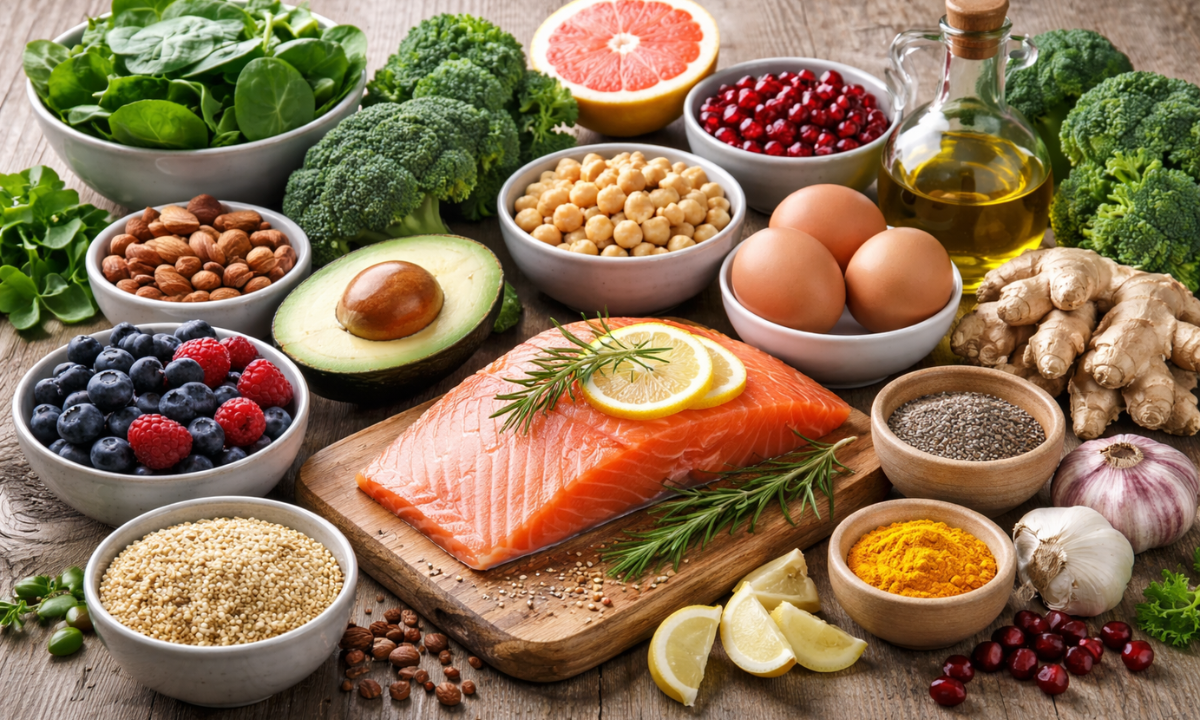
When designing a Hormonal imbalance diet food plan, I focus on nutrient-dense, whole foods. These foods help stabilize blood sugar, reduce inflammation, and support proper hormone production.
I always tell my clients that hormones are made from what we eat. If your diet lacks essential fats, protein, and fiber, your body simply cannot produce and regulate hormones efficiently. That is why choosing the right foods daily makes a visible difference in energy, mood, skin, and menstrual health.
1. Healthy Fats (Omega-3 Rich Foods)
These are essential for hormone production. They also help improve insulin sensitivity and reduce chronic inflammation, which is a major trigger behind many hormonal issues.
- Salmon – Rich in omega-3 fatty acids that support estrogen balance and reduce inflammation.
- Mackerel – Provides healthy fats that improve heart health and stabilise hormone signalling.
- Sardines – Packed with omega-3s and vitamin D, which support reproductive and thyroid health.
- Walnuts – Contain plant-based omega-3s that help regulate insulin and reduce oxidative stress.
- Chia seeds – High in fibre and healthy fats that promote stable blood sugar levels.
- Flaxseeds – Contain lignans that help balance excess estrogen naturally.
- Avocado – Provides monounsaturated fats that support adrenal and reproductive hormones.
- Olive oil – A powerful anti-inflammatory fat that supports overall hormonal harmony.
Healthy fats reduce inflammation and support reproductive health.
2. Cruciferous Vegetables
These help the liver metabolize excess estrogen. They contain natural compounds like indole-3-carbinol that support detoxification pathways and promote hormonal balance.
- Broccoli – Supports estrogen detox and provides fiber that stabilizes blood sugar levels.
- Cauliflower – Helps improve liver function and reduces inflammation in the body.
- Cabbage – Aids digestion and supports the removal of excess hormones.
- Brussels sprouts – Rich in antioxidants that protect cells from hormonal stress.
They are especially helpful in estrogen dominance and PCOS cases.
3. Protein-Rich Foods
I always recommend 25–30 grams of protein per meal. This is because protein plays a direct role in stabilising blood sugar and supporting the production of key hormones like insulin, thyroid hormones, and reproductive hormones.
When meals are low in protein, cravings increase, and energy levels crash quickly. Adding adequate protein helps reduce cortisol spikes, improve metabolism, and maintain muscle mass, which is especially important for women with PCOS or thyroid concerns.
| Protein Source | Benefits |
|---|---|
| Eggs | Support thyroid |
| Chicken | Builds lean muscle |
| Fish | Omega-3 rich |
| Lentils | Plant protein and fibre |
| Beans | Stabilise blood sugar |
Protein prevents insulin spikes and keeps you full longer.
4. Fiber-Rich Foods
Fiber removes excess estrogen and stabilizes sugar levels. It also supports gut health, which plays a very important role in hormone metabolism and detoxification.
- Leafy greens – Provide magnesium and antioxidants that help regulate stress hormones and support liver detox.
- Berries – Rich in fibre and antioxidants that reduce inflammation and improve insulin sensitivity.
- Whole grains – Help maintain steady energy levels and prevent sudden blood sugar spikes.
- Seeds – Contain fiber and healthy fats that promote better estrogen balance and digestive health.
Women with irregular cycles benefit greatly from increased fiber intake.
5. Fermented Foods
Gut health directly affects hormones. Nearly 70% of hormone regulation is influenced by gut bacteria, which help in metabolizing estrogen and reducing systemic inflammation.
- Yoghurt – Contains probiotics that improve gut flora and support better estrogen balance.
- Kefir – A powerful fermented drink that enhances digestion and strengthens immune function.
- Fermented vegetables – Provide beneficial bacteria that support detox pathways and reduce bloating.
A healthy gut improves estrogen detox and reduces inflammation.
Foods to Avoid in a Hormonal Imbalance Diet
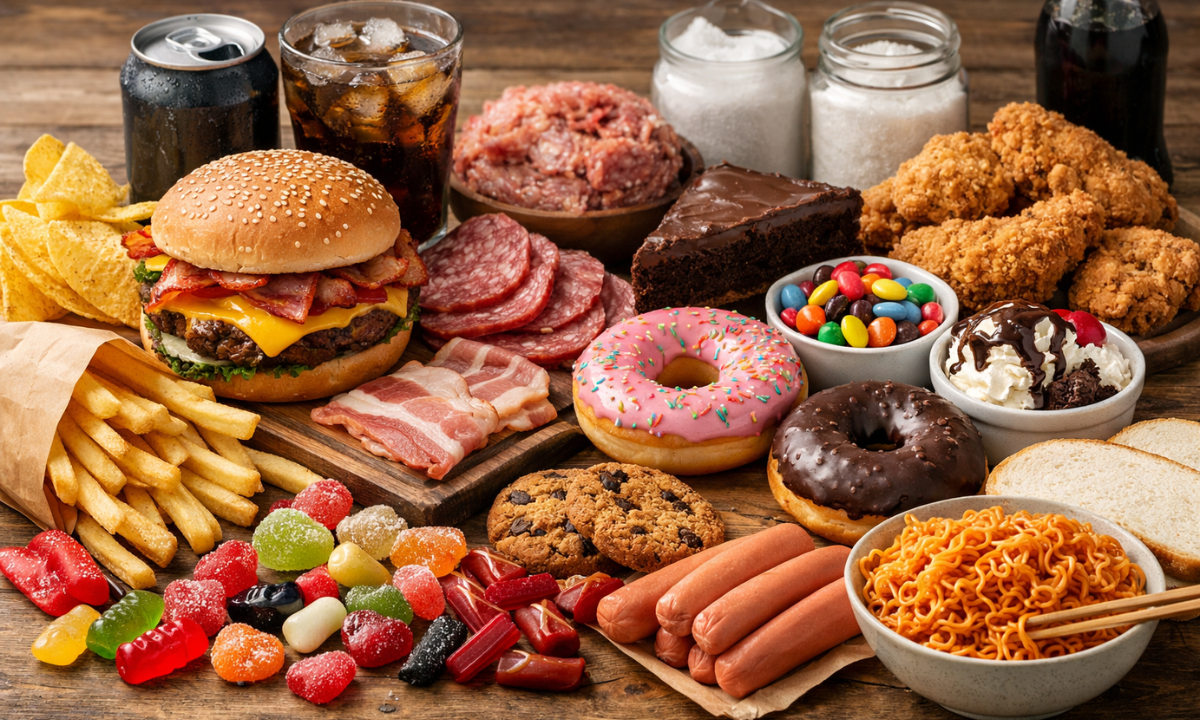
Some foods silently worsen symptoms. Even if you are eating healthy most of the time, frequent intake of certain inflammatory or high-sugar foods can continuously disturb insulin, cortisol, and estrogen levels.
I often tell my clients that hormonal healing is not only about what you add to your plate but also what you consistently remove. Reducing these trigger foods gives your body the space it needs to reset and rebalance naturally.
| Avoid These | Why |
|---|---|
| Refined sugar | Causes insulin spikes |
| White bread & bakery items | Increases inflammation |
| Processed foods | Disrupt hormones |
| Excess caffeine | Raises cortisol |
| Alcohol | Impacts liver detox |
| Excess dairy (if sensitive) | May trigger acne |
| Too much soy | May disrupt estrogen balance |
Eliminating these alone often reduces bloating and mood swings within weeks.
Hormonal Imbalance Diet Plan for PCOS
Women with PCOS need a slightly modified approach. Insulin resistance is often the core issue.
In PCOS, elevated insulin levels stimulate excess androgen production, which can lead to irregular periods, acne, hair loss, and weight gain. That is why the focus of a Hormonal imbalance diet plan for PCOS is to improve insulin sensitivity while reducing inflammation.
I always personalize plans based on lab reports, lifestyle patterns, and body composition instead of following a generic diet chart. Here are the key principles I follow:
- High-protein breakfast – Helps control morning insulin spikes and reduces cravings throughout the day.
- Low glycemic carbohydrates – Prevent sudden blood sugar fluctuations and support hormonal stability.
- Strength training 3–4 times weekly – Improves insulin sensitivity and boosts metabolic rate.
- Anti-inflammatory foods – Reduce oxidative stress and support ovarian function.
- Regular meal timing – Keeps cortisol and insulin levels steady throughout the day.
If you are searching for a dietician for PCOS in Delhi, it is important to work with someone who understands insulin resistance deeply.
Sample Hormonal Imbalance Diet Chart
Here is a simple Hormonal imbalance diet chart I commonly suggest:
| Time | Meal |
|---|---|
| Morning | Warm water and soaked chia seeds |
| Breakfast | Vegetable omelette and multigrain toast or moong chilla |
| Mid-Morning | Handful of nuts and fruit |
| Lunch | Grilled fish/chicken or dal, brown rice and salad |
| Evening | Green tea and roasted seeds |
| Dinner | Stir-fried vegetables and paneer/tofu/chicken |
| Bedtime | Haldi milk (if suitable) |
This structure prevents long fasting gaps and supports steady energy.
Lifestyle Habits That Support Hormone Healing

Diet alone is powerful, but lifestyle matters too. Hormones are deeply connected to your sleep cycle, stress levels, and daily routine.
Even the best Hormonal imbalance diet will not work effectively if you are constantly stressed, sleep-deprived, or following extreme dieting patterns. Creating a stable and nourishing lifestyle environment allows your endocrine system to function smoothly.
- Sleep 7–8 hours – Deep sleep helps regulate cortisol, insulin, and reproductive hormones.
- Practise stress management – Activities like meditation or deep breathing reduce cortisol overload.
- Walk daily – Gentle movement improves insulin sensitivity and boosts mood-regulating hormones.
- Drink at least 8 glasses of water – Proper hydration supports detoxification and metabolic balance.
- Avoid crash dieting – Extreme calorie restriction disrupts thyroid and reproductive hormones.
Hormones respond to consistency, not extremes.
Practical Tips I Give My Clients
- Never skip breakfast
- Add protein to every meal
- Replace white rice with brown rice or millets
- Carry nuts when travelling
- Read ingredient labels
- Avoid liquid calories
- Plan meals weekly
Small habits protect you from sudden sugar cravings.
Final Thoughts
Hormonal healing is not about starving yourself or following extreme diets. It is about understanding your body, respecting it, and nourishing it properly.
As a PCOS dietician in Delhi, I have seen how a structured hormonal imbalance diet plan can transform energy levels, menstrual cycles, skin health, and confidence.
If you are looking for a compassionate dietician in Delhi and a trusted Nutritionist in Delhi, I, Avni Kaul, at Nutri Activania, believe in personalised, science-backed plans that support your long-term wellness journey.
Your hormones are not your enemy; they are simply asking for balance. And when you give your body the right food, it knows exactly how to heal.
FAQs
1. How long does a hormonal imbalance diet take to work?
In my experience, most women begin noticing positive changes within 4–8 weeks if they follow the plan consistently. Improvements may include better energy, reduced bloating, improved sleep, and more regular periods.
However, deeper hormonal imbalances like PCOS or thyroid disorders may take 3–6 months of structured nutrition and lifestyle correction for visible, long-term results.
2. Can diet alone cure a hormonal imbalance?
Diet plays a foundational role in correcting many mild to moderate hormonal imbalances, especially those linked to insulin resistance, inflammation, or nutrient deficiencies.
However, severe conditions such as advanced thyroid disorders or complex PCOS cases may require medical support alongside nutrition therapy. I always recommend combining a personalised diet plan with proper medical evaluation when necessary.
3. Is weight gain always related to hormones?
Not always. Weight gain can result from excess calorie intake, low physical activity, poor sleep, or stress.
However, hormonal imbalances involving insulin, thyroid hormones, or cortisol can significantly slow metabolism and increase fat storage, particularly around the abdomen.
Identifying the root cause through proper assessment helps determine whether hormones are contributing to weight challenges.
4. Should I avoid all carbs?
No, completely avoiding carbohydrates is neither necessary nor sustainable. The key is choosing complex carbohydrates like whole grains, millets, legumes, fruits, and vegetables and pairing them with protein and healthy fats.
This combination prevents sudden blood sugar spikes and keeps insulin levels stable, which is essential for maintaining hormonal balance.
Reference
1. From Google
2. https://oasisindia.in/blog/best-foods-for-hormonal-balance/