
Pregnancy is one of the most nutritionally demanding phases of a woman’s life. What you eat directly impacts your baby’s growth, brain development, and long-term health and your own well-being too.
One of the simplest, most powerful things you can do? Eat the right fruits every day.
Fruits are packed with vitamins, minerals, fibre, and antioxidants that both you and your baby need. But not all fruits are equal during pregnancy, and knowing which ones to prioritise can make a real difference.
In this guide, our expert team at Nutri Activania walks you through the best fruits to eat during pregnancy, their specific benefits, and how to include them in your daily diet the smart way.
Disclaimer: This blog is for informational purposes only and should not be considered a substitute for professional medical or nutritional advice. Please consult your doctor or a qualified nutritionist before making changes to your pregnancy diet.
Why Are Fruits Important During Pregnancy?
Before we get to the list, let’s understand why fruits are a non-negotiable part of your pregnancy diet.
- Folic acid in fruits helps prevent neural tube defects in the baby’s brain and spinal cord
- Vitamin C supports your baby’s bone and tooth development and helps your body absorb iron
- Dietary fibre prevents constipation one of the most common pregnancy complaints
- Natural antioxidants boost your immune system, which naturally weakens during pregnancy
- Potassium and magnesium help manage leg cramps, blood pressure, and fluid retention
- Natural sugars provide quick energy and help curb unhealthy sweet cravings
Nutri Activania Tip: Most pregnant women should aim for 2 to 4 servings of fruit per day. Always consult your pregnancy nutritionist for a personalised fruit plan based on your trimester and health conditions.
10 Best Fruits to Eat During Pregnancy
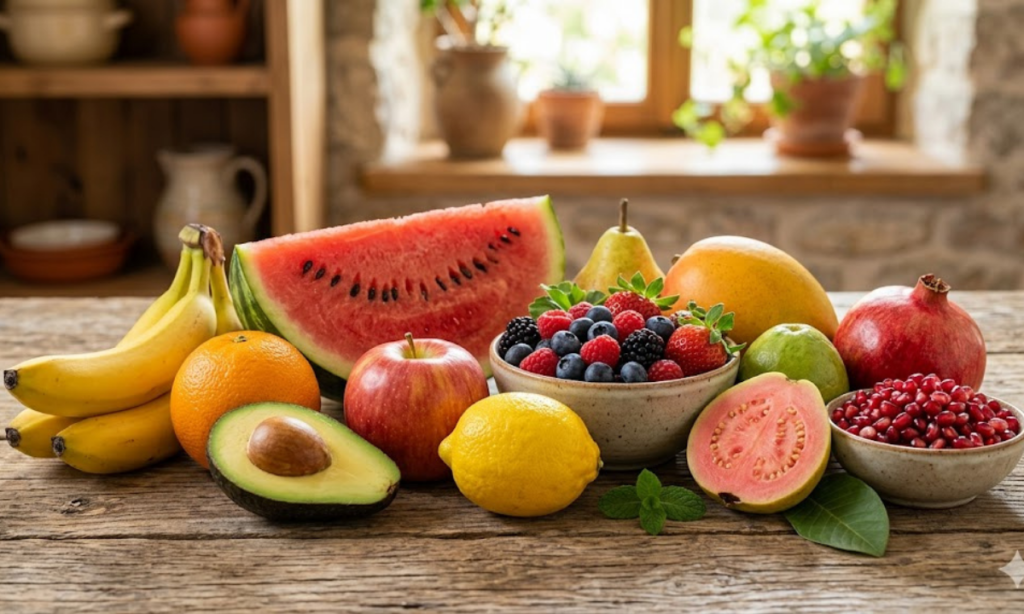
1. Banana
Best for: Morning sickness, constipation, energy
Banana is arguably the most pregnancy-friendly fruit you can eat. It is rich in:
| Nutrient | Benefit |
|---|---|
| Vitamin B6 | Relieves nausea and morning sickness |
| Potassium | Reduces leg cramps and controls blood pressure |
| Folate | Supports baby’s brain and spinal cord development |
| Fibre | Eases constipation |
| Magnesium | Helps with muscle function |
How to eat: Have one banana as a morning snack, blend into a smoothie, or mix with oats for breakfast.
2. Oranges & Citrus Fruits
Best for: Immunity, iron absorption, hydration
Oranges are a powerhouse of Vitamin C and folate two of the most critical nutrients during pregnancy.
- Rich in folate, which protects against neural tube defects
- Vitamin C helps your body absorb iron, preventing anaemia
- High water content keeps you hydrated
- Helps with digestion and reduces morning sickness
How to eat: Fresh orange juice (pasteurised only), orange slices as a snack, or in a fruit salad.
⚠️ Avoid packaged or unpasteurised fruit juices during pregnancy.
3. Avocado
Best for: Brain development, leg cramps, nausea
Avocado has more folate than almost any other fruit, making it exceptional for early pregnancy.
| Nutrient | Benefit |
|---|---|
| Folate | Neural tube protection |
| Choline | Baby’s brain and nerve development |
| Potassium | Relieves leg cramps |
| Healthy fats | Supports baby’s cell development |
| Magnesium | Reduces nausea |
How to eat: On toast, in salads, or as guacamole with whole grain crackers.
4. Apple
Best for: Gut health, immunity, overall nutrition
An apple a day is especially good advice during pregnancy. Apples contain:
- Vitamins A, C, E, and D a broad spectrum of immunity-boosting nutrients
- Pectin a prebiotic fibre that feeds good gut bacteria
- Zinc supports immune function
- Fibre relieves constipation
Pro tip: Eat apples with the skin on (after washing thoroughly) for maximum nutritional value.
5. Lemon
Best for: Nausea relief, digestion, Vitamin C
Lemons may not seem like an obvious pregnancy fruit, but they are a hidden gem especially in the first trimester.
- The scent and taste of lemon is well-known to relieve pregnancy-related nausea
- Rich in Vitamin C and antioxidants
- Stimulates the digestive system and eases constipation
How to use: Add lemon slices to warm water, squeeze over salads, or stir into herbal teas.
6. Berries (Blueberries, Strawberries, Raspberries)
Best for: Antioxidants, brain health, energy
Berries are small but incredibly nutrient-dense. They are among the best fruits during pregnancy because they pack:
| Nutrient | Benefit |
|---|---|
| Vitamin C | Immunity and iron absorption |
| Folate | Neural tube protection |
| Antioxidants | Protects cells from damage |
| Fibre | Digestive health |
| Water content | Hydration |
How to eat: Top your yoghurt, blend into a smoothie, or eat fresh as a snack.
7. Mango
Best for: Immunity, baby’s eye & skin development
Mango is a favourite Indian fruit and a fantastic addition to your pregnancy diet.
- Just one cup of mango provides nearly 100% of your daily Vitamin C requirement
- Rich in Vitamin A, which is important for the baby’s immune system and eye development
- Contains fibre that supports digestion
💡 Note: If you have gestational diabetes or have been advised to monitor your sugar intake, enjoy mango in smaller portions and pair it with a protein source like nuts or yoghurt to slow sugar absorption. Talk to your pregnancy dietician in Delhi for a portion guide specific to your condition.
8. Watermelon
Best for: Hydration, swelling, heartburn
Watermelon is over 90% water, making it one of the best fruits for staying hydrated during pregnancy.
- Reduces swelling and water retention common in the third trimester
- Eases heartburn and acidity
- Contains lycopene, a powerful antioxidant
- Provides Vitamins A, B6, and C
How to eat: Chilled slices, fresh juice, or in a fruit salad.
9. Guava
Best for: Immunity, nervous system development, digestive health
Guava is one of the most underrated pregnancy superfoods, especially for Indian mothers.
| Nutrient | Benefit |
|---|---|
| Vitamin C | Stronger than orange; boosts immunity |
| Vitamin E | Skin health for mother |
| Folate | Neural protection |
| Fibre | Constipation relief |
| Polyphenols | Antioxidant protection |
Guava also has a low glycaemic index, meaning it releases sugar slowly into the bloodstream making it a smart fruit choice for pregnant women managing blood sugar levels. Its high iron content also helps in preventing pregnancy-related anaemia.
10. Pomegranate
Best for: Iron deficiency, bone development, immunity
Pomegranate is nature’s blood-booster and a must-have for pregnant women at risk of anaemia.
- Rich in iron, calcium, and folate
- Contains Vitamin C which helps iron absorption
- High in protein compared to most fruits
- Powerful antioxidants that protect mother and baby
How to eat: Fresh arils as a snack, pomegranate juice (fresh, not packaged), or sprinkled over salads.
Quick Reference: Best Fruits During Pregnancy at a Glance
| Fruit | Key Nutrients | Primary Benefit |
|---|---|---|
| Banana | B6, Potassium, Folate | Morning sickness, leg cramps |
| Orange | Vitamin C, Folate | Immunity, iron absorption |
| Avocado | Folate, Choline, Healthy fats | Brain development |
| Apple | Vitamins A, C, E, Pectin | Gut health, immunity |
| Lemon | Vitamin C | Nausea relief |
| Berries | Antioxidants, Folate, Vitamin C | Cell protection, energy |
| Mango | Vitamin C, Vitamin A | Immunity, eye development |
| Watermelon | Lycopene, Vitamins A & C | Hydration, swelling |
| Guava | Vitamin C, Folate, Fibre | Nervous system, immunity |
| Pomegranate | Iron, Calcium, Folate | Anaemia prevention |
Fruits to Avoid or Limit During Pregnancy
Just as important as knowing what to eat is knowing what to be careful about:
- Papaya (raw or unripe) Best avoided entirely during pregnancy. Raw and unripe papaya contains latex-like compounds that can stimulate uterine contractions. To stay on the safe side, skip papaya during pregnancy and choose any of the 10 fruits listed above instead.
- Pineapple in excess Contains bromelain; safe in normal quantities but avoid eating in very large amounts
- Packaged fruit juices High in sugar, low in fibre. Always choose whole fruits over juice
- Unwashed fruits Risk of Listeria and Toxoplasma contamination. Wash thoroughly before eating
Tips for Eating Fruits Safely During Pregnancy
- Wash all fruits thoroughly before eating, even pre-washed packaged ones
- Choose whole fruits over juices whole fruits retain fibre and have a lower glycaemic impact
- Prefer fresh or frozen over canned , canned fruits may contain added sugar and BPA
- Eat the skin where appropriate (apples, pears) it contains more fibre and nutrients
- Space out your servings throughout the day instead of eating all at once
- Go organic when possible to reduce exposure to pesticides
How a Pregnancy Nutritionist Can Help You
Every pregnancy is different. A woman with gestational diabetes will have different fruit recommendations compared to one dealing with anaemia or severe morning sickness. A one-size-fits-all fruit list is a starting point not a complete plan.
That’s where expert guidance matters. Working with a qualified pregnancy dietician and nutritionist in Delhi ensures your diet is calibrated to your trimester, health conditions, weight, and nutritional deficiencies.
At Nutri Activania, our registered best dietician in Delhi creates personalised pregnancy nutrition plans that go beyond generic advice covering meal timing, portion sizes, supplement recommendations, and trimester-specific food strategies.
FAQs: Fruits During Pregnancy
Q1. How many fruits should I eat per day during pregnancy?
Most experts recommend 2 to 4 servings of fruit per day during pregnancy. One serving is roughly one medium-sized fruit or a small bowl of cut fruit. However, the right quantity depends on your health profile consult a best nutritionist in Delhi for personalised guidance.
Q2. Is it safe to eat mango during pregnancy?
Yes, mango is safe and nutritious during pregnancy. It is rich in Vitamin C and Vitamin A. However, eat it in moderation, especially if you have gestational diabetes, as mangoes are relatively high in natural sugar.
Q3. Can I drink fruit juice during pregnancy instead of eating whole fruits?
Whole fruits are always a better choice than juice. Juice removes most of the fibre and can cause a quick spike in blood sugar. If you do have juice, make sure it is 100% fresh and pasteurised.
Q4. Which fruit is best for avoiding morning sickness?
Banana and lemon are the most effective fruits for managing morning sickness. Banana’s Vitamin B6 content reduces nausea, while the scent and taste of lemon is known to calm an upset stomach.
Q5. Is papaya safe during pregnancy?
It is best to avoid papaya entirely during pregnancy. Raw and unripe papaya contains compounds that can stimulate uterine contractions, which poses a risk. Rather than trying to judge ripeness, the safest approach is to skip it and choose from the many other nutrient-rich fruits listed in this guide. If you have specific questions, consult a dietician in Delhi.
Q6. Which fruit helps with anaemia during pregnancy?
Pomegranate is one of the best fruits for iron deficiency during pregnancy. It is rich in iron, Vitamin C, and folate. Pair it with other iron-rich foods for maximum absorption.
Q7. Can I eat watermelon every day during pregnancy?
Yes, watermelon is safe and beneficial to eat daily in reasonable portions. It helps with hydration, reduces swelling, and eases heartburn all common pregnancy concerns.
Disclaimer: This blog is for informational purposes only and should not be considered a substitute for professional medical or nutritional advice. Please consult your doctor or a qualified nutritionist before making changes to your pregnancy diet.