
Key Points
- How your gut and brain talk to each other
- Why stress destroys your gut health
- The best foods to eat for a calmer gut
- Indian foods that support the gut-brain axis
- Practical daily tips from a clinical dietician
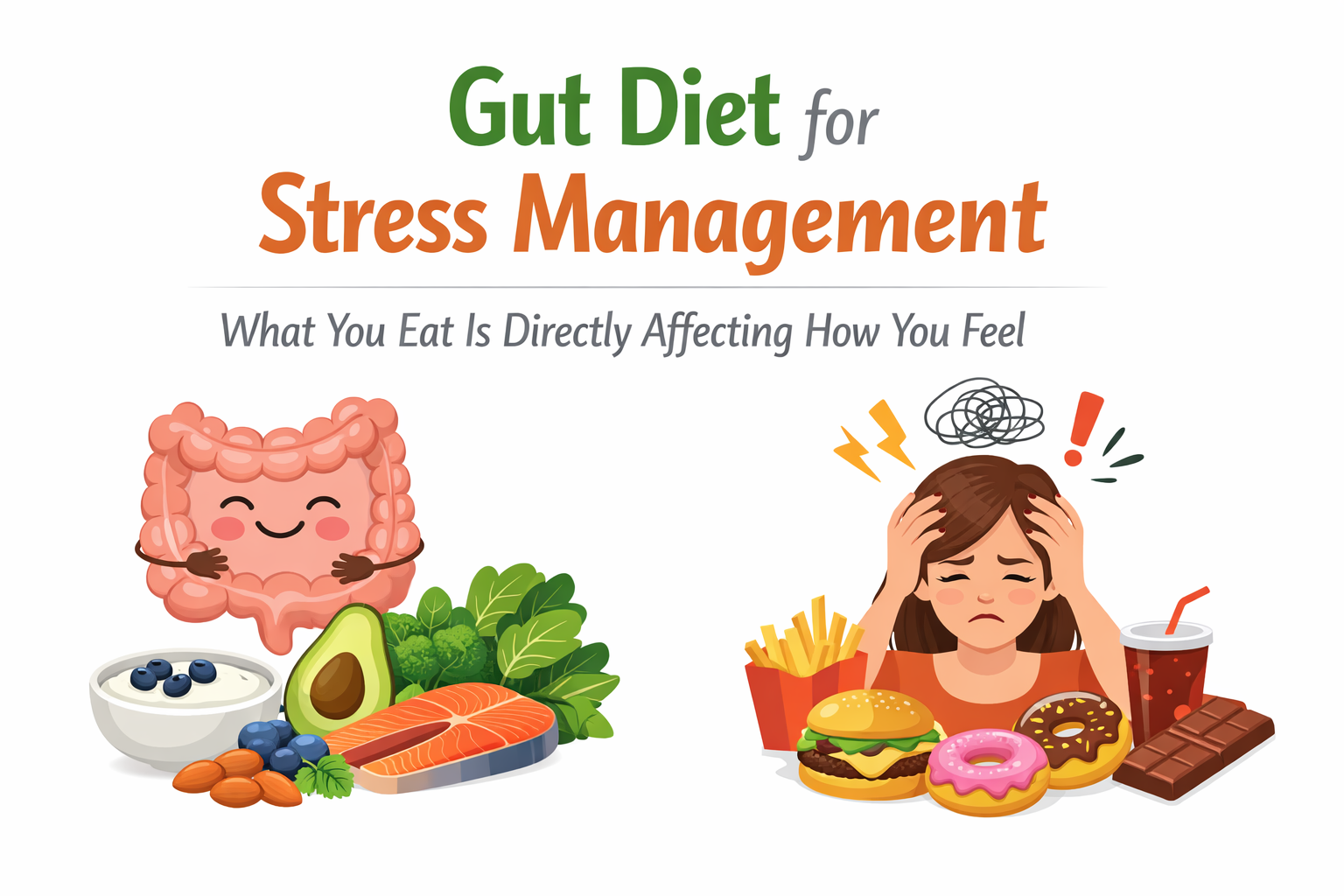
Most people treat stress and gut health as two completely separate problems. One is mental, one is physical or so the thinking goes. But science tells a very different story. Your gut and your brain are in constant conversation, and the food you eat every single day is either helping that conversation or making it worse.
If you have been dealing with bloating, low energy, anxiety, or constant digestive discomfort alongside stress your gut diet is very likely the missing piece. This blog breaks down exactly what to eat, what to avoid, and how a targeted gut diet for stress management can genuinely change how you feel from the inside out.
If you have been dealing with bloating, low energy, anxiety, or constant digestive discomfort alongside stress consulting a dietician in Delhi who understands the gut-brain connection could be the missing piece
Your Gut Is Not Just About Digestion

Your gut is home to trillions of microorganisms that directly influence your mood, stress response, and mental health. Scientists call this the gut-brain axis – a two-way communication highway between your digestive system and your brain.
Neurotransmitters active in the brain are also active in the gut, influencing nutrient absorption, the immune system, and the gut microbiome. About 90% of your body’s serotonin the “feel good” chemical is actually produced in your gut, not your brain.
In simple terms what happens in your gut does not stay in your gut. It travels straight to your brain. And what you put on your plate determines what your gut sends back up.
How Stress Destroys Your Gut Health
Stress does not just make you feel anxious. It physically alters your gut in ways that create a damaging cycle most people never even realise they are in.
Stressful life events alter gastrointestinal function and significantly change the gut microbiome’s structure — leading to gut dysbiosis, which simply means an imbalance between good and bad bacteria.
Here is what that looks like in real life:
- Chronic stress reduces beneficial Lactobacilli and Bifidobacterium in your gut
- Stress hormones like cortisol increase gut permeability also called “leaky gut”
- A leaky gut allows harmful substances into the bloodstream, triggering inflammation
- Inflammation then worsens mood, anxiety, and stress tolerance
- Psychological stress promotes cravings for sugary, high-fat foods that further damage the microbiome
Research shows that 66.67% of people believe stress influences their digestion, and 74.36% experienced dietary changes affecting their gut yet only 7.14% ateprobiotic foods daily. The awareness is there. The action is missing.
The Gut-Stress Connection: What Research Says
| Research Finding | What It Means For You |
|---|---|
| Stress reduces beneficial Lactobacilli | Lower good bacteria = worse mood and digestion |
| Gut dysbiosis linked to anxiety and depression | An unhealthy gut can worsen mental health directly |
| Probiotic-rich diets reduce perceived stress | Feeding good bacteria calms your nervous system |
| High sugar diets increase gut inflammation | Comfort eating during stress makes everything worse |
| Mediterranean-style diets improve gut diversity | More diverse gut = better long-term stress resilience |
Sugar and saturated fat-rich diets increase intestinal permeability and cause chronic inflammation. In contrast, a diet high in fiber and polyphenols improves gut microbial diversity, strengthens the intestinal barrier, and prevents inflammation.
Best Foods for a Gut Diet for Stress Management
1. Probiotic Foods Feed Your Good Bacteria
Probiotics are live beneficial bacteria that replenish your gut microbiome. Research shows probiotic supplementation may reduce inflammation and have positive effects on depression, anxiety, and stress. You do not always need supplements Indian food already has some of the best natural probiotic sources in the world.
- Dahi (curd) have it daily with lunch or as an evening snack
- Chaas (buttermilk) excellent post-meal digestive aid
- Idli and dosa batter fermented overnight one of the best gut-friendly breakfasts
- Kanji fermented carrot drink, especially powerful in winters
- Homemade achaar (in moderation) naturally fermented varieties only, not vinegar-based
2. Prebiotic Foods Feed Your Probiotics
Prebiotics are the food your good gut bacteria thrive on. Without them, even the best probiotic foods cannot do their job. Think of probiotics as the seeds and prebiotics as the soil.
- Garlic and onion – rich in inulin that feeds Bifidobacterium
- Slightly unripe bananas – high in resistant starch that bypasses digestion and feeds gut flora
- Oats and barley – beta-glucan supports and strengthens the gut lining
- Moong dal and masoor dal – fiber-rich and among the most gut-friendly legumes
- Cooked and cooled rice – forms resistant starch when cooled – better for the gut than freshly cooked
3. High Fiber Foods Keep Your Gut Moving
Fiber is the foundation of a healthy gut microbiome. Dietary approaches that target the gut microbiome through fiber have been shown to reduce perceived stress in clinical research.
- Rajma and chickpeas feed diverse gut bacteria and improve microbiome richness
- Bhindi and lauki with skin soluble fiber that nourishes the gut lining
- Whole wheat roti significantly better than maida for gut microbiome health
- Flaxseeds (alsi) rare combination of omega-3 fatty acids and gut-feeding fiber
- Amla Vitamin and polyphenols that support gut immunity and reduce inflammation
4. Magnesium-Rich Foods The Stress Mineral
Magnesium is one of the most rapidly depleted minerals during chronic stress. It directly affects gut motility, muscle relaxation, and the nervous system. Most stressed individuals are deficient in magnesium without even knowing it.
- Palak and methi dark leafy greens are your best daily magnesium source
- Pumpkin seeds (kaddu ke beej) one of the highest plant-based magnesium sources available
- Almonds and cashews easy daily snack that covers magnesium and healthy fats together
- Dark chocolate (70% and above) yes, it counts in moderation
- Rajma and black beans double benefit: fiber and magnesium in one
Foods to Avoid During Stress
| Avoid | Why It Hurts Your Gut |
|---|---|
| Maida-based foods | Feeds harmful bacteria and starves beneficial ones |
| Excess sugar and mithai | Triggers gut inflammation and disrupts microbiome balance |
| Packaged and processed snacks | Destroys gut microbial diversity over time |
| Excess caffeine (3+ cups daily) | Worsens cortisol levels and disrupts gut motility |
| Alcohol | Directly damages the gut lining and kills beneficial bacteria |
A Simple Indian Gut-Friendly Day Plate
| Meal | What to Eat |
|---|---|
| Early Morning | Warm water + soaked flaxseeds or amla juice |
| Breakfast | Fermented idli/dosa or oats with slightly unripe banana |
| Mid Morning | A handful of almonds or walnuts |
| Lunch | Dal + sabzi + whole wheat roti + dahi |
| Evening | Chaas or a small bowl of seasonal fruits |
| Dinner | Light khichdi or moong dal soup + salad |
| Bedtime | Warm haldi milk (golden milk) |
Practical Tips From Dt. Avni Kaul
- Eat your meals at consistent times every day irregular meal timing disrupts gut bacteria rhythms
- Do not skip meals when stressed your gut microbiome needs regular fuel to function
- Chew your food slowly and mindfully digestion begins in the mouth, not the stomach
- Stay well hydrated even mild dehydration worsens gut motility and mood significantly
- Prioritise sleep poor sleep directly alters gut microbiome composition overnight
- Reduce ultra-processed foods gradually sudden elimination is harder to sustain long term
Why a Dietician Makes a Difference
Knowing what to eat and actually building a plan that fits your lifestyle, health history, and stress patterns are two very different things. A gut diet for stress management is not one-size-fits-all it depends on your existing gut health, food preferences, any medication you are on, and how your body personally responds to stress.
At Nutri Activania, Dt. Avni Kaul creates completely personalized gut nutrition plans that address the root cause of your stress-related digestive issues not just the symptoms. Explore our Gut Health Dietician in Delhi or book your free initial assessment today and take the first real step toward a calmer gut and a calmer mind.
FAQs
Can what I eat really reduce my stress levels?
Yes, and the science behind it is growing rapidly. Your gut produces neurotransmitters including serotonin that directly influence mood and stress response. When you feed your gut the right foods consistently, you are literally changing the chemistry of how your brain handles stress.
How long does it take to see a difference through diet?
Most people notice improvements in digestion, sleep, and energy within two to three weeks of consistent dietary changes. Mood and stress resilience typically improve over four to eight weeks as the gut microbiome begins to shift toward a healthier composition.
Is dahi enough as a probiotic or do I need supplements?
Fresh homemade dahi is a genuinely good source of probiotics for most people. Whether you need additional supplementation depends on your current gut health, stress levels, and any digestive issues you are experiencing. A dietician can assess this properly before recommending supplements.
I eat well but still feel stressed all the time. What could be wrong?
Diet is one piece of the puzzle sleep quality, physical activity, meal timing, and hydration all play a role too. It is also possible that your gut microbiome has been disrupted by past antibiotic use, prolonged stress, or a history of poor dietary habits that need time and targeted nutrition to recover from.
Can a gut diet help with anxiety and not just stress?
Yes – the gut-brain axis influences both. Research shows a close interaction between the gut microbiome and the body’s neurologic and hormonal stress responses, with anxiety and depressive disorders shown to have a direct relationship with gut microbiome health. A well-structured gut diet supports both. For a fully personalized plan, consult Dt. Avni Kaul at Nutri Activania today.
References
- NIH / PubMed – Gut-brain axis, stress and microbiome research
- Frontiers in Psychiatry / Frontiers in Neuroscience – probiotics reducing stress and anxiety, gut dysbiosis and mental health
