
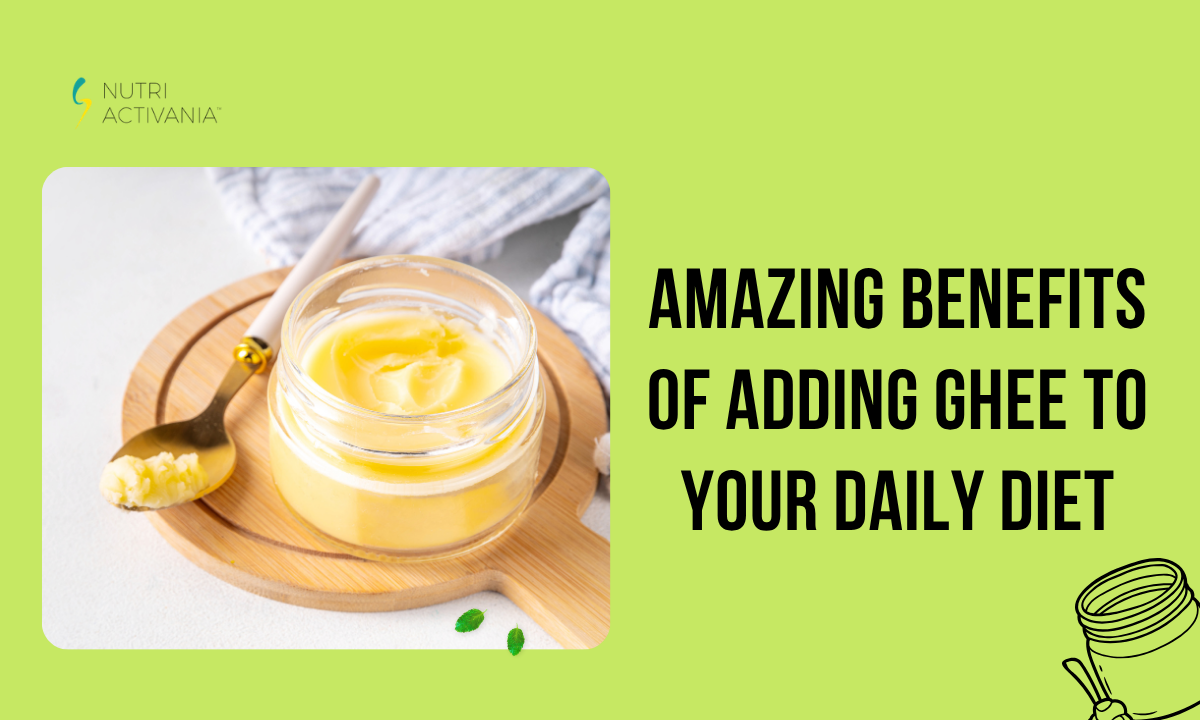
Ghee has been a staple in Indian kitchens for thousands of years, and for good reason. What our grandmothers swore by, modern science is now confirming: this golden, clarified butter is packed with nutrients that support everything from brain health to digestion. Yet somewhere along the way, ghee got a bad reputation, unfairly lumped in with unhealthy fats and pushed off our plates.
Today, leading experts including every top dietician in Delhi and nutritionist across India are bringing ghee back to the conversation, and with strong evidence behind them. Whether you are managing your weight, supporting a pregnancy, or simply trying to eat better, ghee might be the one food your daily diet is missing.
At Nutri Activania, we believe nutrition should be rooted in both science and tradition. This blog breaks down exactly why ghee deserves a place on your plate every single day.
Key Takeaways
- Ghee is rich in healthy fats, fat-soluble vitamins, and butyric acid
- It supports digestion, immunity, brain function, and hormonal balance
- Ghee is safe and beneficial for pregnant women when consumed in the right amounts
- A quality dietician in India can help you add ghee to your diet in the right way
- Nutri Activania recommends ghee as part of a balanced, wholesome diet
What Is Ghee and Why Is It Different from Butter?
Ghee is clarified butter, meaning it is butter that has been slowly heated until all the water evaporates and the milk solids are removed. What remains is pure, golden fat that is rich in nutrients and has a much higher smoke point than regular butter or most cooking oils.
Because the milk solids are removed, ghee is also easier to digest. People who are lactose intolerant or sensitive to dairy often find that they can tolerate ghee without any issues, making it a more accessible option for a wider range of people.
The key difference between ghee and butter comes down to composition and digestibility. Ghee contains higher concentrations of:
- Conjugated Linoleic Acid (CLA): a healthy fat linked to fat loss and reduced inflammation
- Butyric Acid: a short-chain fatty acid that feeds and repairs the gut lining
- Fat-Soluble Vitamins: A, D, E, and K, which support immunity, bone health, skin, and vision
Top Health Benefits of Ghee You Should Know
1. Supports a Healthy Gut
One of ghee’s most powerful benefits is its butyric acid content. Butyric acid is a short-chain fatty acid that directly nourishes the cells of the intestinal lining, helping to keep the gut wall strong and healthy.
A healthy gut lining means better nutrient absorption, reduced bloating, and protection against conditions like leaky gut syndrome. Many nutritionists in Delhi and across India recommend ghee specifically for patients dealing with digestive issues, irritable bowel syndrome, or chronic bloating.
Just one teaspoon of ghee added to warm dal or rice at mealtime can make a noticeable difference in how your digestive system feels.
2. Provides Long-Lasting Energy
Unlike refined carbohydrates that cause blood sugar spikes and crashes, the medium and short-chain fatty acids in ghee are metabolized quickly by the liver and converted into energy. This makes ghee an excellent energy source that does not lead to fat storage in the same way other fats do.
Adding ghee to your morning meal, whether it is a roti, paratha, or bowl of oats, can help you feel fuller for longer and maintain steady energy levels throughout the day.
3. Boosts Immunity
Ghee is rich in fat-soluble vitamins, particularly Vitamin A and Vitamin E, both of which play a critical role in immune function. Vitamin A supports the production of white blood cells and keeps the mucous membranes of the respiratory system healthy.
Regular ghee consumption, particularly during winter or seasonal changes, can help the body fight off infections more effectively. This is one reason Ayurveda has long used ghee as a base for herbal medicines and immune-building tonics.
4. Supports Brain and Cognitive Function
The brain is made up of approximately 60% fat, and it thrives on high-quality dietary fats. The healthy fats in ghee, especially CLA and omega-3 fatty acids, support brain cell structure, improve memory, and may even reduce the risk of cognitive decline over time.
Many dieticians in India working with older adults or patients experiencing brain fog recommend including ghee in the daily diet as part of a broader cognitive health strategy.
5. Promotes Healthy Skin and Hair
Ghee works from the inside out. Its high Vitamin E content is a powerful antioxidant that protects skin cells from oxidative damage, reduces signs of ageing, and keeps skin soft and hydrated. Vitamin A supports skin cell renewal and helps maintain a healthy scalp.
People who consume ghee regularly often report improvements in skin texture, reduced dryness, and healthier hair growth, all without expensive supplements.
6. Helps with Weight Management (When Used Correctly)
This may surprise people who have been told to avoid fat, but ghee can actually support healthy weight management. The CLA in ghee has been studied for its ability to reduce body fat, particularly belly fat, while preserving lean muscle mass.
The key is moderation and quality. Working with a nutritionist in Delhi or a qualified nutrition expert ensures you are using ghee in the right amounts for your body type, metabolism, and health goals, rather than either avoiding it entirely or overconsuming it.
Ghee During Pregnancy: What Every Expecting Mother Should Know
Pregnancy is one of the most important times to pay attention to nutrition, and ghee has a special role to play. In Ayurveda and traditional Indian medicine, ghee has been recommended for pregnant women for centuries, and modern nutritional science supports many of these benefits.
A dietician for pregnancy will often recommend ghee for the following reasons:
- Supports fetal brain development: The healthy fats in ghee provide essential building blocks for the baby’s developing nervous system
- Eases constipation: A common complaint during pregnancy, ghee’s lubricating properties help keep the digestive tract moving smoothly
- Provides Vitamin K2: Critical for bone development in both the mother and the growing baby
- Supports hormonal balance: Healthy fats are essential for the production of pregnancy hormones like progesterone
It is important that pregnant women consult a pregnancy dietician before making significant changes to their diet. The right amount of ghee for each woman depends on her overall health, weight, trimester, and any existing conditions. A qualified nutrition expert can create a personalised plan that includes ghee safely and effectively.
[Image suggestion: A pregnant woman eating a healthy Indian meal with ghee-coated roti, showing nourishing pregnancy nutrition. Real photo. Alt text: “healthy Indian diet for pregnant women with ghee”]
Nutritional Profile of Ghee at a Glance
| Nutrient | Amount per 1 Tbsp (14g) | Key Benefit |
| Total Fat | 12.7g | Sustained energy and hormone production |
| Saturated Fat | 7.9g | Supports brain function and cell integrity |
| Butyric Acid | 1.2g | Gut lining repair and digestive health |
| Vitamin A | 391 IU | Immune function and skin health |
| Vitamin E | 0.4mg | Antioxidant protection |
| Vitamin K2 | Trace amounts | Bone health and calcium regulation |
| Conjugated Linoleic Acid (CLA) | 0.5g | Fat metabolism and inflammation reduction |
How Much Ghee Should You Eat Daily?
The ideal daily amount of ghee varies from person to person. General guidelines from nutrition experts suggest:
- Healthy adults: 1 to 2 teaspoons per day
- Active individuals or athletes: Up to 1 tablespoon per day
- Pregnant women: As advised by a pregnancy dietician, typically 1 to 2 teaspoons
- People with heart conditions or high cholesterol: Consult a qualified dietician before adding ghee
The best approach is always personalised guidance. A registered dietician in Delhi or a certified nutritionist can assess your health profile and recommend exactly how much ghee works best for your body and goals.
How to Add Ghee to Your Daily Diet
Adding ghee to your meals does not require a major lifestyle overhaul. Here are simple, practical ways to include it:
- On roti or chapati: Spread a small amount of ghee on freshly made rotis for flavour and nutrition
- In dal or sabzi: Stir a teaspoon of ghee into cooked lentils or vegetables just before serving
- In rice: Add ghee to plain steamed rice with a pinch of jeera for a simple, satisfying dish
- In morning porridge or oats: A small amount of ghee adds richness and helps absorb fat-soluble nutrients
- For cooking eggs: Use ghee in place of refined oil when cooking eggs or sauteing vegetables
- In warm milk: A traditional Ayurvedic remedy, ghee stirred into warm milk at bedtime supports sleep and digestion
The key is to use high-quality, pure desi ghee, ideally made from the milk of grass-fed cows. At Nutri Activania, we help our clients identify the best food choices for their individual needs, including how to source and use quality ghee effectively.
Common Myths About Ghee, Debunked
Myth 1: Ghee causes heart disease.
The relationship between saturated fat and heart disease is far more nuanced than once believed. Current research suggests that ghee consumed in moderation, as part of a balanced diet, does not increase cardiovascular risk for most healthy individuals.
Myth 2: Ghee makes you gain weight.
Excess calories cause weight gain, not ghee specifically. In fact, the healthy fats in ghee can support satiety and metabolism when consumed in appropriate amounts.
Myth 3: You should avoid ghee if you are lactose intolerant.
Because the milk solids are removed during clarification, most people with lactose intolerance can tolerate ghee without any adverse effects.
Myth 4: All ghees are the same.
Quality matters enormously. Look for pure desi ghee made from grass-fed cow’s milk. Avoid products that contain added oils, colours, or artificial flavours.
[Image suggestion: An infographic-style image showing 4 myths about ghee crossed out with fact boxes beside them. Alt text: “common myths about ghee debunked”]
Why You Need a Qualified Nutritionist or Dietician to Guide You
Nutrition is deeply personal. What works for one person may not work for another, and this is especially true when it comes to dietary fats like ghee. A qualified dietician in India considers your age, health history, activity level, digestive health, and goals before making any recommendation.
This is particularly important for:
- People managing diabetes or insulin resistance
- Those with thyroid conditions
- Women who are pregnant or breastfeeding
- Individuals with high cholesterol or a family history of heart disease
- Children and elderly individuals with specific nutritional needs
At Nutri Activania, our team of expert nutritionists and dieticians in Delhi creates personalised nutrition plans that are grounded in science and adapted to your lifestyle. Whether you are looking for a nutritionist in Delhi for general health, weight management, or specialised care as a pregnancy dietician, we have the expertise to support your journey.
In Conclusion
Ghee is not just a cooking fat. It is a nutrient-dense, traditional superfood that supports gut health, brain function, immunity, skin, and hormonal balance. When consumed in the right amounts and as part of a balanced diet, ghee can be one of the most beneficial additions you make to your daily meals.
The key is not to fear fat but to understand it. And the best way to do that is with guidance from a qualified professional. If you are ready to take control of your health and build a diet that truly works for your body, the team at Nutri Activania is here to help.
Connect with our expert dieticians in Delhi and certified nutritionist today and take the first step toward a healthier, more nourished life.
Frequently Asked Questions
Is it safe to eat ghee every day?
Yes, for most healthy adults, consuming 1 to 2 teaspoons of ghee daily is considered safe and beneficial. If you have a specific health condition, consult a dietician before making changes to your diet.
Can a dietician in Delhi help me include ghee in a weight loss plan?
Absolutely. A qualified dietician in Delhi can create a personalised meal plan that includes ghee in the right portions to support weight loss without deprivation.
Q3. Is ghee good for pregnant women?
Yes. Ghee provides essential fats, vitamins, and digestive support during pregnancy. A pregnancy dietician can guide you on the correct amount based on your trimester and overall health.
Q4. What is the best type of ghee to buy?
Look for pure desi ghee made from grass-fed cow’s milk, with no added oils or preservatives. Cold-processed or traditionally prepared ghee retains the most nutrients.
Q5. Can a nutritionist in Delhi create a full diet plan that includes ghee?
Yes. A certified nutritionist in Delhi will assess your complete health profile and design a balanced eating plan where ghee is included appropriately alongside other nutrient-rich foods.