
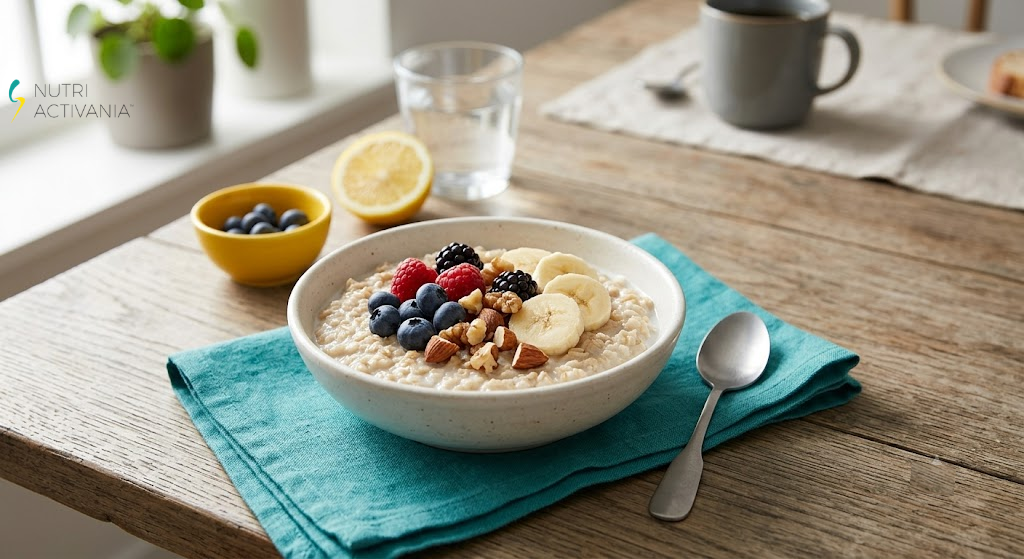
Yes, oats are good for weight loss, largely due to their high soluble fibre content, which supports fullness for longer after meals and helps stabilise blood sugar throughout the morning. Avni Kaul, a dietician in Delhi, regularly recommends oats as part of a weight loss diet, though how they are prepared and what they are eaten with matters just as much as the fact that oats are on the menu in the first place.
Oats have earned their reputation as a weight loss staple for good reason, but that reputation sometimes gets applied too broadly, as though any product labelled “oats” is automatically a good choice. Instant, heavily flavoured oat sachets loaded with added sugar are a very different food from plain rolled or steel-cut oats, even though both carry the same basic name. Getting the benefit oats actually offer depends on choosing the right type and preparing it sensibly.
Why Oats Supports Weight Loss
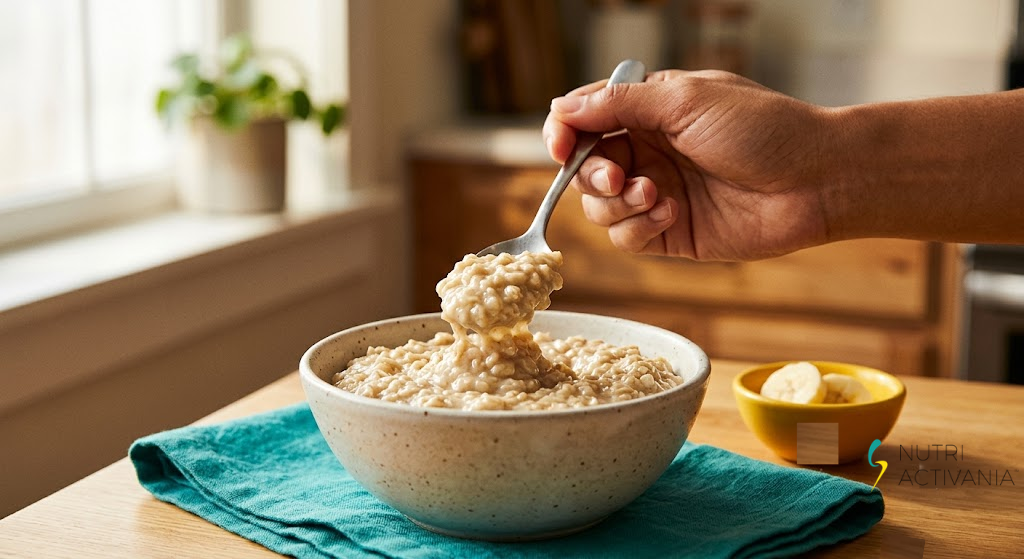
Oats are particularly high in a type of soluble fibre called beta-glucan, which forms a gel-like substance in the digestive tract as it absorbs water. This slows down digestion and the rate at which sugar from the meal enters the bloodstream, both of which directly support weight loss goals.
Oats support weight loss in a few specific, well-supported ways:
- Beta-glucan fibre significantly increases feelings of fullness, often keeping hunger at bay well into the late morning
- The slow digestion of oats helps avoid the sharp blood sugar spike and crash that some breakfast options cause
- Oats are relatively low in calories for the volume and fullness they provide, particularly when prepared with water or a lower-calorie liquid
- Oats offer a reasonable base of plant protein, which adds to their fullness effect beyond fibre alone
- Their versatility makes them easy to include consistently, which matters more for long-term results than any single “superfood” property
Why Preparation and Additions Matter More Than the Oats Themselves
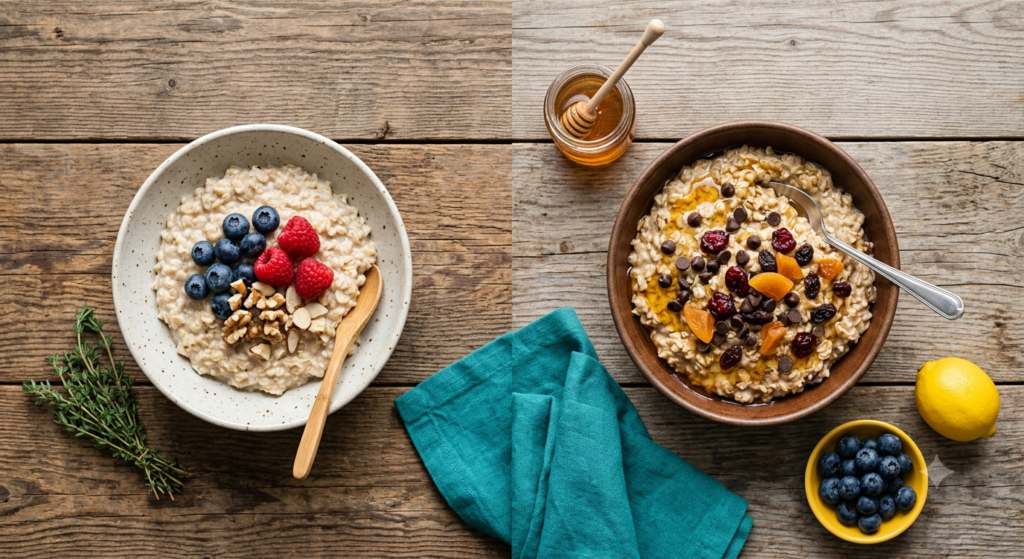
The weight loss benefit of oats can be significantly undermined by how they are prepared. A bowl of oats cooked in full-fat milk, topped with honey, dried fruit, and a sugary syrup, can easily carry as many calories as a far less “healthy-sounding” breakfast, while a bowl of oats cooked simply and paired with protein and fresh fruit remains genuinely light and filling.
A few common oat preparations are worth distinguishing:
Plain rolled or steel-cut oats, cooked with water or a modest amount of milk, remain the most calorie-efficient option and retain the full fibre benefit.
Instant flavoured oat sachets often contain added sugar and sometimes less fibre than plain oats, reducing much of the advantage that makes oats a good weight loss choice in the first place.
Overnight oats, when made with plain oats, a reasonable liquid, and modest fruit or nut additions, retain most of the benefit while offering a convenient, no-cook option.
Oats loaded with excessive toppings, honey, chocolate chips, dried fruit in large quantities, or full-fat cream, can turn an otherwise sensible breakfast into a calorie-dense one, even though the base ingredient remains oats.
How to Prepare Oats for Weight Loss
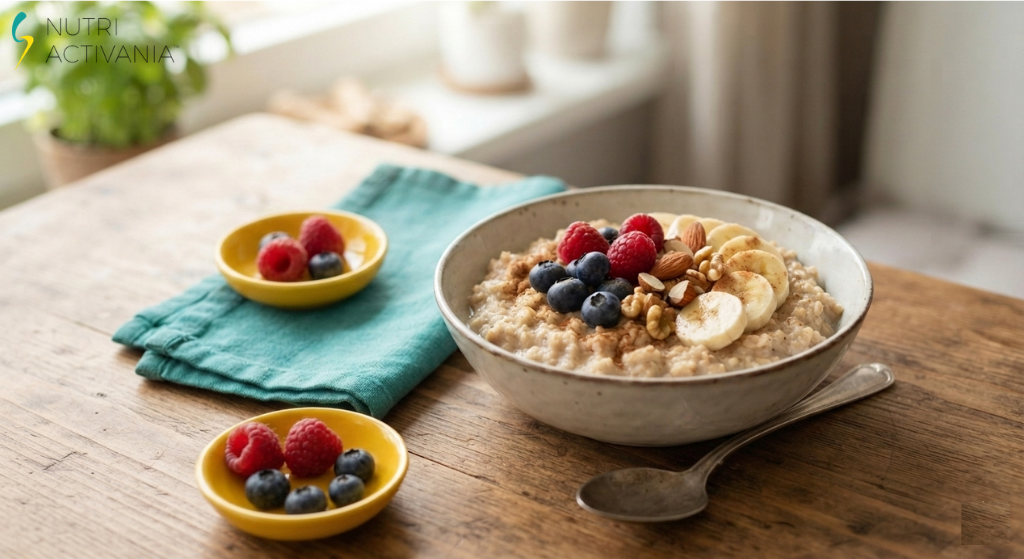
Choose plain rolled or steel-cut oats over flavoured, instant varieties. This single choice preserves most of the fibre benefit and avoids unnecessary added sugar.
Cook with water or a modest amount of low-fat milk. This keeps the calorie count reasonable while still producing a satisfying, creamy texture.
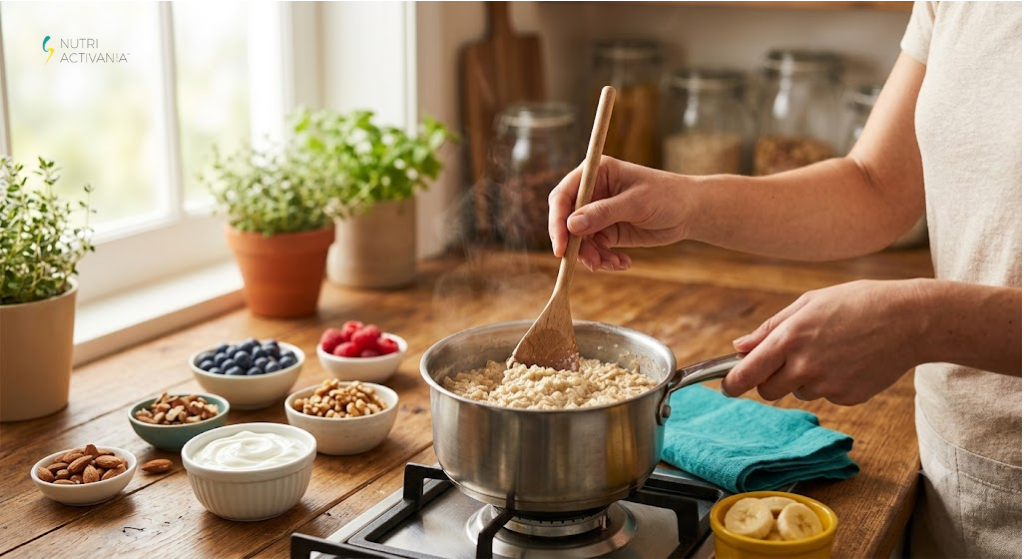
Add protein. A spoon of Greek yoghurt, a few nuts, or a side of eggs alongside oats increases fullness further, since protein and fibre together tend to outperform either alone.
Add fresh fruit rather than dried fruit or syrup. Berries, sliced apple, or banana add natural sweetness and additional fibre without the concentrated sugar and calories that dried fruit or syrup bring.
Watch portion size. Oats are calorie-efficient, but a very large bowl still adds up. A standard serving, roughly a small cup of dry oats, is generally sufficient for a filling breakfast.
Do Oats Suit Everyone Trying to Lose Weight?
Generally, yes, though a few considerations are worth keeping in mind. People managing diabetes or insulin resistance can benefit particularly from oats’ effect on blood sugar stability, though portion size and pairing with protein still matter for keeping the overall glycaemic impact of the meal reasonable. People with a diagnosed gluten sensitivity should look for certified gluten-free oats, since regular oats can sometimes be cross-contaminated with gluten-containing grains during processing.
Beyond these specific considerations, oats work well as part of a weight loss diet for most people, provided the preparation stays close to the plain, minimally processed version rather than a sugar-laden convenience product carrying the same name.
Who Might Benefit Most From Adding Oats to a Weight Loss Diet
- People looking for a filling, easy-to-prepare breakfast that supports fullness into the late morning
- People managing diabetes or insulin resistance who benefit from oats’ effect on blood sugar stability
- People who currently skip breakfast or eat a low-fibre breakfast that leaves them hungry soon after
- People looking for a versatile, budget-friendly addition to a broader high-fibre weight loss diet
- Anyone currently eating flavoured, sugary instant oats and wanting a more effective alternative
Why Talk to Avni Kaul About Including Oats in Your Diet
Avni Kaul is a Gold Medallist from the University of Delhi and received the Best Dietician Award in 2019. Her approach to weight loss includes oats as a practical, versatile option within a broader high-fibre diet, guiding clients on preparation and portioning so the food delivers its full benefit rather than being undermined by added sugar or oversized servings.
Conclusion
Oats genuinely earn their reputation as a useful food for weight loss, largely thanks to their soluble fibre content and its effect on fullness and blood sugar stability. That benefit depends heavily on choosing plain, minimally processed oats and preparing them sensibly, since flavoured, sugar-heavy versions or oversized, topping-laden bowls can undermine much of the advantage. Prepared simply and paired with protein and fresh fruit, oats remain one of the more reliable, budget-friendly staples available for a sustainable weight loss diet.
Frequently Asked Questions
What type of oats is best for weight loss?
Plain rolled or steel-cut oats generally offer the best balance of fibre content and minimal added sugar, compared to flavoured or instant varieties.
Are instant oat sachets bad for weight loss?
Not necessarily bad, but many instant sachets contain added sugar and slightly less fibre than plain oats, reducing some of the weight loss benefit compared to preparing plain oats yourself.
Can I eat oats every day for weight loss?
Yes, for most people, oats are suitable as a regular part of the diet, particularly as a breakfast option, provided portion size and preparation stay reasonable.
Do oats spike blood sugar?
Plain oats have a relatively low glycaemic impact due to their fibre content, particularly compared to refined breakfast options, though pairing with protein further supports blood sugar stability.
Is overnight oats a good option for weight loss?
Yes, when made with plain oats, a reasonable liquid, and modest fruit or nut additions, overnight oats retain most of the fibre benefit while offering a convenient, no-cook breakfast option.
How much oats should I eat for weight loss?
A standard serving, roughly a small cup of dry oats, is generally sufficient for a filling breakfast, though individual portion needs vary based on overall calorie goals.



