
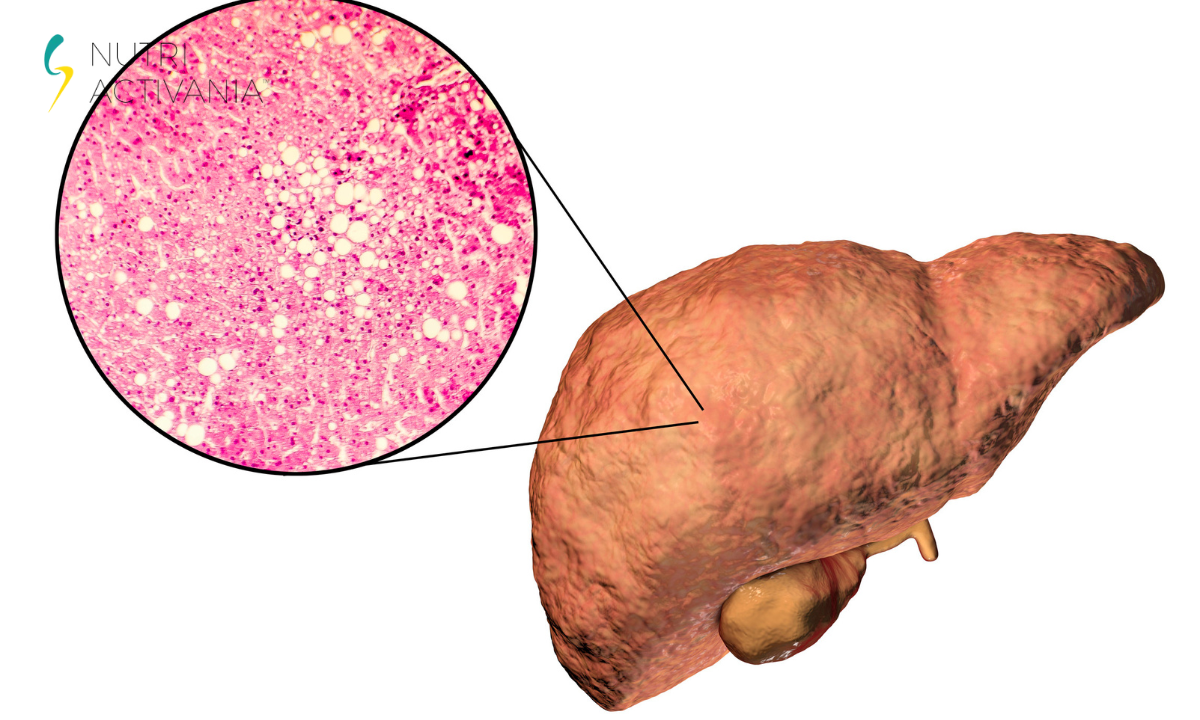
The pandemic has changed our lives in many ways. According to health experts, the work-from-home condition has led to a sedentary lifestyle which is why there is less physical activity accompanied by unhealthy food habits.
By consuming calorie-rich foods, the liver accumulates fat, water, and carbohydrates, resulting in liver enlargement and fatty liver disease. Whether it is an alcohol-related liver disease (ARLD) or non-alcohol-related fatty liver disease (NAFLD), both types damage the liver and prevent it from performing basic liver functions, like absorbing toxins and making bile for digestion.
If left untreated, it can lead to cirrhosis (scarring of the liver) and even liver failure. A type of fatty liver disease can also strike pregnant women in their third semester or early postpartum period. One in ten cases, today is due to fatty liver. Just like diabetes, hypertension, etc, NAFLD has become an independent risk factor for cardiac ailments.
Thus, the need of the hour is to manage your weight with a balanced diet and some healthy exercise. So, how do you go about it? Top Delhi-based Dietician, Avni Kaul shares a few tips to deal with fatty liver.
Coffee: Yes! You read it right! Believe it or not, your favourite beverage may lower the severity of fatty liver. Studies suggest that caffeine, polyphenols, and other natural compounds contained in coffee may reduce the seriousness of non-alcoholic fatty liver disease (NAFLD) in obese adults with type-2 diabetes. Therefore, one cup of black coffee a day will keep fatty liver disease at bay.
Tea: Another study reveals that consumption of green tea can reduce the risk of NAFLD by almost 75%. This is certainly great news for tea lovers.
Nuts and seeds: Add a wide variety of nuts and seeds like almonds, hazelnuts, pistachios, pine nuts, pumpkin seeds, flax seeds, chia seeds, etc to your daily diet. They are rich sources of unsaturated fatty acids, dietary fiber, minerals, and antioxidant compounds which help reduce the risk of fatty liver disease.
Green vegetables: Make sure to incorporate at least 4-5 servings of vegetables into your daily diet. The presence of inorganic nitrate in green vegetables like spinach, lettuce, celery, and rocket leaves reduces the buildup of fat in the liver.
Vitamin K, a fat-soluble vitamin is essential for the liver’s synthesis of blood-clotting proteins. Leafy greens and spinach rich in vitamin K are a healthy addition to your diet. Glutathione present in these greens is a healthy antioxidant for your liver. Also add broccoli, kale, microgreens, Romaine lettuce, cabbage, and collard greens to your fatty liver diet. Chlorophyll in green vegetables helps cleanse the liver.
Fish, chicken, and egg: Good news for non-vegetarians! Fatty fish, like trout, salmon, sardine, and tuna, rich in Omega-3 fatty acids reduce the risk of NAFLD besides increasing ‘good’ cholesterol (HDL) and reducing triglyceride levels.
The bioactive protein present in chicken and eggs helps fight fatty liver disease, too. Chicken without the skin is an excellent source of lean protein and is a healthy addition to a fatty liver diet.
Avocado: This exotic fruit, rich in healthy fats is ideal for weight loss and fatty liver disease. It is an excellent plant-based source of omega-3 fatty acids that help reduce fatty liver and repair liver damage. Glutathione present in the fruit removes toxins transferred by your liver.
Oatmeal: How about a low-fat breakfast option in the morning? Add a bowl of oatmeal to your daily breakfast menu. It contains soluble fibres called beta-glucans that protect against obesity and inflammation, thus reducing the risk of fatty liver disease.
Don’t overeat. It is vital to control your portion size in order to prevent fatty liver disease. Instead, try having small meals during the day to keep your food cravings in check.
There are many more such healthy options that you can add to your daily diet to get rid of liver problems.