
When you’re pregnant, you will probably hear a lot of advice about what you should and shouldn’t eat.
Dry fruits are one of those foods that often create confusion.
I regularly get questions from pregnant women such as, “Can I eat almonds during pregnancy?”, “How many dates should I eat?”, “Are raisins safe during pregnancy?” and “Which dry fruits should I avoid?”
The good news is that most nuts and dried fruits can be included in a healthy pregnancy diet. But they are concentrated foods, so portion size, preparation and the type of product you choose matter.
In this article, I will explain which dry fruits and nuts you can include during pregnancy, how much you may need, what to be careful about and how I recommend adding them to an Indian pregnancy diet.
If you are looking for a complete meal plan, you can also explore my guide to an Indian pregnancy diet chart.
Are Dry Fruits Good During Pregnancy?
Yes, dry fruits and nuts can be nutritious additions to a pregnancy diet.
Nuts and seeds provide protein, healthy fats and other nutrients, while dried fruits provide carbohydrates, fibre and naturally occurring sugars.
Pregnancy nutrition should not be about adding one “superfood.” It is about building a varied diet that provides a range of nutrients.
The FDA recommends including a variety of foods during pregnancy, including fruits, vegetables, grains, protein foods, nuts and seeds.
So, yes, you can include dry fruits. But you don’t need to eat large handfuls every day.
Which Dry Fruits Can You Eat During Pregnancy?
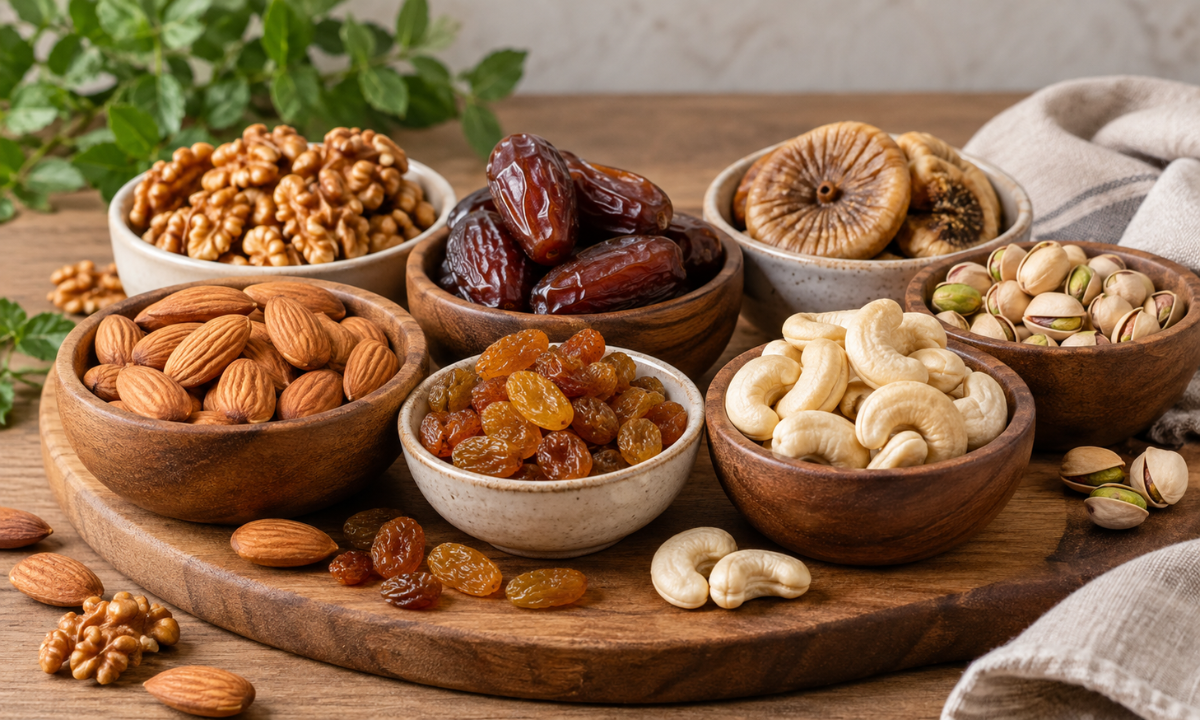
Here are some of the options I commonly include in pregnancy meal plans.
1. Almonds
Almonds are a convenient source of protein, healthy fats, fibre and several micronutrients.
You can eat them:
- Soaked
- Unsoaked
- Added to porridge
- Added to curd
- With fruit
- Chopped into homemade snacks
You don’t have to soak almonds to make them “healthy.” If you prefer soaked almonds because they are easier for you to eat or digest, that’s perfectly fine.
The important thing is the overall quantity.
2. Walnuts
Walnuts are another useful addition to a pregnancy diet.
They provide healthy fats, including alpha-linolenic acid (ALA), a plant-based omega-3 fatty acid.
I often recommend adding a small amount of walnuts to breakfast or a snack rather than eating them in large quantities.
You can add them to:
- Oatmeal
- Porridge
- Curd
- Fruit bowls
- Homemade snacks
3. Raisins
Raisins can be included during pregnancy.
They provide carbohydrates and fibre and are convenient when you want something sweet.
However, remember that drying concentrates the fruit. A large handful of raisins can provide considerably more sugar and calories than the same volume of fresh grapes.
So I prefer a small portion rather than eating raisins continuously throughout the day.
4. Dates
Dates are commonly eaten during pregnancy.
They provide carbohydrates, fibre and several micronutrients.
However, dates are also naturally sweet and calorie-dense.
You don’t need to eat large numbers of dates simply because someone told you that they are essential during pregnancy.
A small portion can be included as part of a balanced diet.
If you have gestational diabetes or have been advised to monitor your carbohydrate intake, discuss your appropriate portion with your dietitian or doctor.
5. Figs
Dried figs, also called anjeer, can be included in pregnancy.
They provide fibre and can be a convenient addition to meals or snacks.
If constipation is bothering you, don’t rely only on dried figs. Your overall fibre intake, fluid intake, physical activity and complete diet also matter.
6. Pistachios
Pistachios provide protein, fats and other nutrients.
Choose plain or minimally processed pistachios where possible.
I would avoid turning them into a heavily salted snack.
7. Cashews
Cashews can also be included in a pregnancy diet.
They provide fats, carbohydrates, protein and minerals.
Again, portion size matters because nuts are energy-dense.
A small serving is usually more practical than eating several handfuls.
Which Nuts Are Safe During Pregnancy?
This is a common concern.
In general, nuts do not need to be avoided during pregnancy unless you have a nut allergy or your healthcare professional has specifically advised you to avoid them.
The NHS states that peanuts and other nuts can be eaten during pregnancy unless you are allergic to them or have been advised otherwise by your healthcare professional.
So there is no general reason to remove almonds, walnuts, cashews or pistachios from your diet simply because you are pregnant.
What About Peanuts During Pregnancy?
Peanuts are not automatically a food to avoid during pregnancy.
If you are not allergic to peanuts, they can provide protein, healthy fats and other nutrients.
You can have:
- Roasted peanuts
- Unsalted peanuts
- Peanut chutney
- Peanut-based homemade preparations
- Natural peanut butter
Try to avoid products with excessive added sugar or salt.
Dry Fruits to Avoid During Pregnancy
There is an important distinction here.
Most commonly eaten nuts and dried fruits are not foods that pregnant women need to automatically avoid.
Instead, I recommend being careful about how they are processed, stored and prepared.
Avoid mouldy or spoiled dry fruits
If dried fruits or nuts smell unusual, look mouldy or appear spoiled, don’t eat them.
Food safety matters during pregnancy because pregnant women are more vulnerable to certain foodborne illnesses.
Be careful with heavily salted nuts
Salted nuts can add unnecessary sodium to your diet.
Plain or lightly salted varieties are generally more practical for regular use.
Avoid sugar-coated dry fruits as a regular snack
Some packaged products contain:
- Added sugar
- Syrups
- Chocolate coatings
- Excess salt
- Flavourings
Check the ingredient list before buying.
Be careful with mixed dry-fruit sweets
Traditional sweets made with dry fruits may also contain substantial amounts of:
- Ghee
- Sugar
- Jaggery
- Syrup
This doesn’t mean you can never eat them.
It simply means they should be treated as sweets rather than unlimited health foods.
How Many Dry Fruits Should You Eat During Pregnancy?
This is where I don’t like giving a rigid number to every pregnant woman.
Your requirements depend on:
- Your overall diet
- Pregnancy stage
- Nutritional requirements
- Physical activity
- Blood sugar levels
- Appetite
- Medical conditions
- Whether you are already eating other nuts and seeds
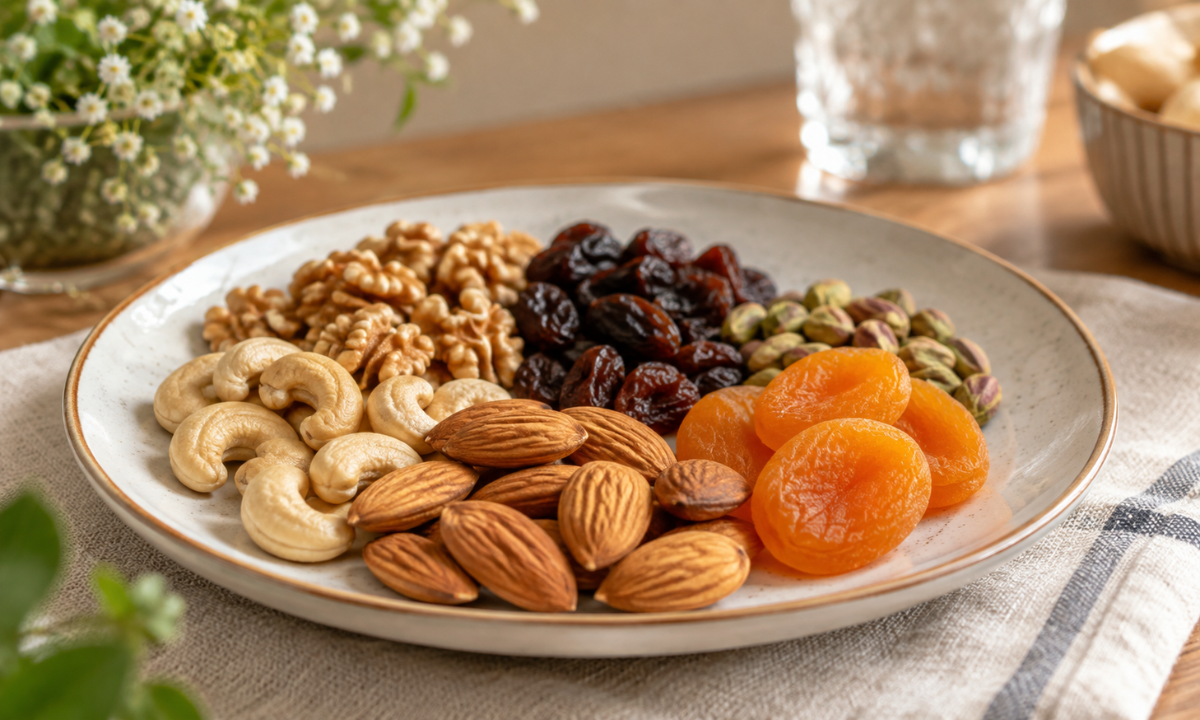
A practical approach could be a small serving of mixed nuts and/or dried fruit rather than eating several handfuls.
For example, you could combine a few almonds with one or two walnuts and a small amount of dried fruit.
But this is only an example, not a universal prescription.
If you have gestational diabetes, insulin resistance or another medical condition, your portion may need to be different.
Should You Soak Dry Fruits During Pregnancy?
You can soak some nuts if you prefer them that way, but soaking is not compulsory.
For example, almonds and walnuts can be eaten without soaking.
Some people find soaked nuts softer or easier to eat.
If you soak nuts overnight:
- Use clean water.
- Store them appropriately.
- Avoid leaving prepared food at room temperature for long periods.
- Wash and handle them hygienically.
Food safety becomes particularly important during pregnancy.
Are Dry Fruits Good for Pregnancy Constipation?
Some dried fruits contain fibre and can contribute to overall fibre intake.
For example, prunes, figs and raisins can be included as part of a fibre-rich diet.
But don’t expect one dried fruit to solve constipation by itself.
I would look at the whole routine:
- Vegetables
- Fruits
- Whole grains
- Pulses
- Nuts and seeds
- Adequate fluids
- Appropriate physical activity
If constipation is severe or persistent, speak with your healthcare provider.
Are Dates Safe During Pregnancy?
Dates can generally be included in pregnancy.
But I want to make one point very clear: dates are not a mandatory pregnancy food.
You don’t need to eat a large number of dates because someone says they are necessary for an easier delivery.
Your overall pregnancy diet matters much more than one food.
If you have gestational diabetes or need to control carbohydrate intake, the amount of dates should be discussed as part of your individual meal plan.
Are Dry Fruits Good for the Baby’s Brain Development?
You may see claims online saying that eating particular nuts will directly make your baby’s brain stronger or smarter.
I would be careful with these claims.
Nuts and seeds can contribute useful nutrients to a balanced pregnancy diet, but no single dry fruit guarantees a particular developmental outcome.
The better approach is to focus on overall maternal nutrition, including adequate protein, essential fats, fruits, vegetables, whole grains and medically recommended prenatal supplements.
Can You Eat Dry Fruits Every Day During Pregnancy?
Yes, dry fruits and nuts can be included regularly if they suit your diet and you don’t have an allergy or another medical reason to avoid them.
But “every day” doesn’t mean “unlimited.”
A small serving can be enough.
You can also vary your choices instead of eating the same nuts every day.
For example:
- Almonds + walnuts
- Pistachios + raisins
- Almonds + dates
- Walnuts + figs
You don’t need a fixed rotation. The purpose is simply to show that variety is possible.
Best Time to Eat Dry Fruits During Pregnancy
There is no medically required “best time” to eat dry fruits.
You can have them:
- With breakfast
- As a mid-morning snack
- With fruit
- With curd
- Added to porridge
- As part of a homemade snack
What matters more is your total daily intake and how the food fits into your overall diet.
A Simple Pregnancy Dry Fruit Snack
One simple option I like is:
A small serving of almonds + walnuts + one seasonal fruit
Another option is:
Curd + chopped nuts + a small amount of dried fruit
You can also add nuts to oats or homemade porridge.
This is generally more balanced than eating a large bowl of dry fruits alone.
For more practical snack ideas, you can also read my guide to healthy Indian snacks for pregnant women.
What If You Have Gestational Diabetes?

This is an important point.
Dried fruits contain naturally occurring sugars and are more concentrated than fresh fruit because much of the water has been removed.
So if you have gestational diabetes, don’t assume that all dried fruits are unlimited simply because they are natural.
You may need to pay particular attention to:
- Portion size
- Total carbohydrate intake
- What you eat with the dried fruit
- Blood glucose response
- Meal timing
Your obstetrician and dietitian can help you individualise your diet.
If you have gestational diabetes, you can also explore my gestational diabetes diet program for more guidance.
What About Dry Fruits for Pregnancy Weight Gain?
Nuts and dried fruits are energy-dense, so they can be useful when someone needs additional energy or struggles to meet nutritional requirements.
But they shouldn’t be used as a reason to deliberately overeat.
Healthy pregnancy weight gain varies depending on pre-pregnancy BMI and individual circumstances.
If your weight gain is higher or lower than expected, discuss it with your obstetrician or dietitian rather than trying to correct it yourself by adding or removing large quantities of food.
For more information on pregnancy nutrition throughout the different stages, you can also read my trimester-wise pregnancy diet guide.
How I Recommend Including Dry Fruits in Pregnancy
My approach is quite simple.
Don’t think of dry fruits as medicines.
Think of them as nutrient-rich foods that can complement your pregnancy diet.
A practical day might look like:
Breakfast:
Oats + milk/curd + a few nuts + fruit
Lunch:
Chapati/rice + dal + vegetables + curd
Snack:
Fruit + small serving of nuts
Dinner:
Roti/rice + protein source + vegetables
This gives you much more nutritional variety than focusing on dry fruits alone.
If you follow a vegetarian diet, you can also look at my vegetarian pregnancy diet plan for Indian women for more ideas on meeting your nutritional requirements.
Common Mistakes Pregnant Women Make With Dry Fruits
Eating too much
Because dry fruits are healthy, some people assume more is always better.
It isn’t.
Choosing sugar-coated products
Always check the ingredient list.
Eating only dry fruits for a meal
Nuts and dried fruits are not a complete meal.
Combine them with other nutritious foods.
Following social-media claims
You don’t need to believe every claim about almonds, dates, saffron, walnuts or other pregnancy foods.
Look at the overall evidence and your individual needs.
Ignoring food safety
Mouldy, stale or poorly stored nuts and dried fruits should not be consumed.
Frequently Asked Questions
Which dry fruits are best during pregnancy?
Almonds, walnuts, pistachios, cashews, raisins and figs can all be included as part of a balanced pregnancy diet, provided they suit you and there are no allergies or medical restrictions.
Can I eat almonds during pregnancy?
Yes. Almonds can be included during pregnancy. You can eat them soaked or unsoaked depending on your preference.
Can I eat walnuts during pregnancy?
Yes. Walnuts can be included as part of a balanced diet and provide healthy fats and other nutrients.
Are dates safe during pregnancy?
Dates can generally be included in pregnancy. However, they are naturally sweet and portion size matters, especially if you have gestational diabetes.
Can I eat raisins during pregnancy?
Yes. Raisins can be included in moderate portions. Remember that dried fruit is more concentrated than fresh fruit.
Which dry fruits should be avoided during pregnancy?
There is no general rule that pregnant women must avoid all nuts or dried fruits. Avoid products that are mouldy, spoiled or contaminated, and be cautious with heavily processed products containing excessive sugar or salt.
Should dry fruits be soaked during pregnancy?
Soaking is optional. You can eat many nuts without soaking them. If you soak them, use clean water and handle and store them hygienically.
Can I eat dry fruits every day during pregnancy?
Yes, they can be included regularly in appropriate portions. Your total diet and individual nutritional requirements matter more than eating a specific dry fruit every day.
Final Thoughts
Dry fruits can be a useful part of a pregnancy diet, but they are not magic pregnancy foods.
Almonds, walnuts, pistachios, cashews, raisins, figs and dates can all have a place in your diet when eaten in sensible portions.
My biggest recommendation is to focus on variety and balance.
Include protein, vegetables, fruits, whole grains, dairy or suitable alternatives, nuts and seeds, and other foods that provide the nutrients you need during pregnancy.
And if you have gestational diabetes, a food allergy, digestive problems or another medical condition, your diet should be personalised rather than based on a generic pregnancy food list.
Pregnancy nutrition is not about eating more of one “superfood.” It is about nourishing yourself consistently throughout the pregnancy.
If you need personalised guidance, you can also consult a pregnancy dietitian in Delhi for a nutrition plan based on your individual requirements.
Reference links
For the factual nutrition and safety claims, use these authoritative sources: