
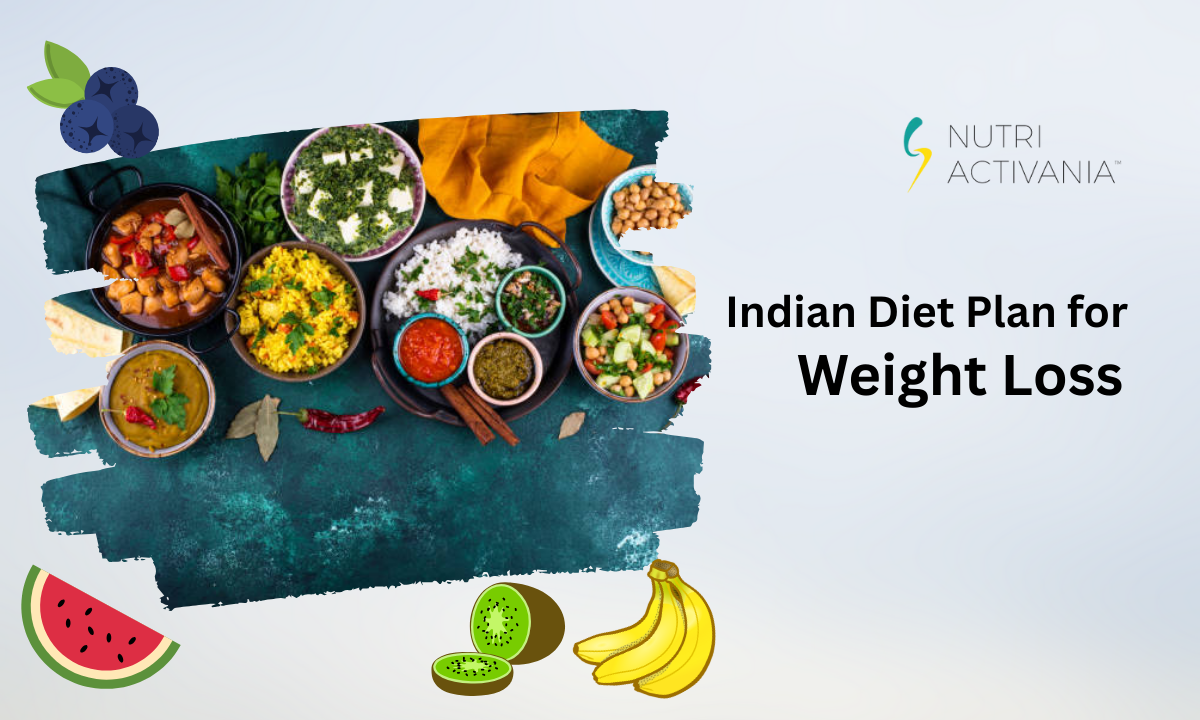
Designing an effective Indian diet plan requires understanding your body’s unique needs, cultural food preferences, and sustainable lifestyle changes that lead to lasting results.
As the best dietitian in Delhi for weight loss, I have helped hundreds of clients achieve their health goals through personalized nutrition strategies rooted in Indian cuisine.
Weight loss does not mean giving up your favorite foods or following restrictive fad diets that leave you hungry and miserable. What if you could lose weight while enjoying delicious Indian meals that satisfy both your taste buds and nutritional requirements? Keep reading to know more.
Understanding Weight Loss Diet Fundamentals
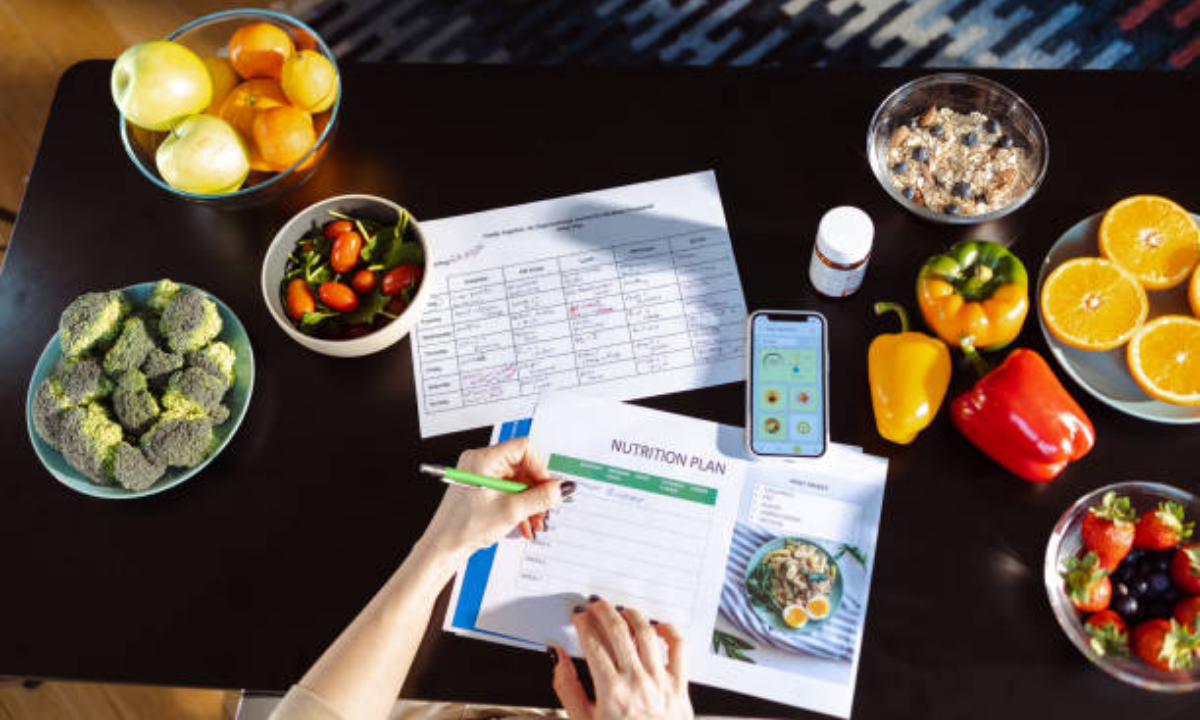
A successful weight loss diet is built on creating a calorie deficit while ensuring adequate nutrition to support your body’s functions and metabolism.
The key is not extreme restriction but smart food choices that keep you full, energized, and motivated throughout your weight loss journey.
Your body needs a balanced, healthy diet for weight loss that includes proteins, complex carbohydrates, healthy fats, fiber, vitamins, and minerals in appropriate proportions.
Crash diets may show quick results initially, but they are unsustainable and often lead to muscle loss, nutritional deficiencies, and rapid weight regain.
The DASH Diet Approach for the Indian Context
The DASH diet, originally designed for managing hypertension, has proven highly effective for weight loss when adapted to Indian eating patterns.
As a dietitian for hypertension, I frequently recommend DASH principles because they emphasize whole foods, reduced sodium, and increased potassium through fruits and vegetables.
This approach naturally aligns with traditional Indian cooking when we reduce added salt and focus on herbs and spices for flavor enhancement.
The DASH diet encourages whole grains, lean proteins, low-fat dairy, nuts, and an abundance of vegetables, all of which are readily available in Indian markets and kitchens.
Essential Components of a Weight-Reducing Food Chart
Creating a weight-reducing food chart involves selecting foods that maximize satiety while minimizing empty calories.
Protein-rich foods like dal, sprouts, paneer, chicken, fish, and eggs should form the foundation of every meal, as they keep you full longer.
Fiber from vegetables, fruits, and whole grains slows digestion, stabilizes blood sugar, and prevents the sudden hunger pangs that derail weight loss efforts.
Healthy fats from nuts, seeds, ghee, and mustard oil, when consumed in moderation, provide essential fatty acids and enhance nutrient absorption.
Here is a practical food calorie table to help you make informed choices:
| Food Item | Portion Size | Approximate Calories |
|---|---|---|
| Brown rice (cooked) | 1 cup | 215 |
| Roti (wheat) | 1 medium | 70-80 |
| Moong dal (cooked) | 1 cup | 212 |
| Paneer | 50 g | 130 |
| Chicken breast (grilled) | 100 g | 165 |
| Mixed vegetable sabzi | 1 cup | 80-100 |
| Apple | 1 medium | 95 |
| Almonds | 10 pieces | 70 |
| Low-fat curd | 1 cup | 98 |
| Ghee | 1 teaspoon | 45 |
Understanding these calorie values helps you build meals that fit your daily calorie target without constant guessing.
Foods for Breakfast to Lose Weight
Breakfast sets the tone for your entire day and significantly impacts your weight loss success. I recommend starting your day with protein and fiber-rich options that provide sustained energy without causing mid-morning energy crashes.
- Oats upma with vegetables and a handful of nuts offers complex carbohydrates, protein, and healthy fats in one satisfying bowl.
- Moong dal chilla with mint chutney delivers high protein and keeps you full until lunch without adding excessive calories.
- Vegetable poha with peanuts and a boiled egg provides balanced nutrition with traditional flavors you already love.
- Greek yoghurt or hung curd with berries and flaxseeds offers probiotics, protein, and omega-3 fatty acids for optimal gut health and satiety.
Avoid heavy parathas with excessive ghee, sugary cereals, or white bread toast with butter, as these spike blood sugar and trigger cravings later.
Balanced Lunch for Sustained Weight Loss
Lunch should be your largest meal, providing adequate nutrition to power through the afternoon without feeling sluggish.
A balanced plate includes one cup of dal or lean protein, two small rotis or half a cup of brown rice, one cup of mixed vegetable sabzi, and a small bowl of salad.
This combination provides approximately 400-500 calories with all essential macronutrients in proper ratios for weight loss.
Include vegetables of different colors to ensure a variety of vitamins, minerals, and antioxidants that support metabolism and overall health.
Eating lunch mindfully, chewing thoroughly, and avoiding distractions like television or phone scrolling improves digestion and satisfaction signals.
Dinner at Night for Weight Loss
Dinner should be lighter than lunch, as your body’s metabolic rate naturally slows down in the evening hours.
The ideal dinner at night for weight loss consists of clear vegetable soup, grilled chicken or paneer tikka, and a large portion of sautéed vegetables.
Alternatively, khichdi made with moong dal and vegetables provides comfort food satisfaction while being gentle on digestion and low in calories.
I advise finishing dinner at least two to three hours before bedtime to allow proper digestion and prevent nighttime fat storage.
Avoid heavy curries, fried foods, and excessive carbohydrates at dinner, as these can interfere with sleep quality and weight loss progress.
Working With a Dietician for Weight Loss
Professional guidance from a weight loss dietitian makes a significant difference in achieving and maintaining your target weight.
As the best dietitian in Delhi for weight loss, I customize plans based on your medical history, lifestyle, food preferences, and weight loss goals.
I, Avni Kaul, a dietitian in Delhi, who understands local food culture, can create realistic meal plans using ingredients you can easily find in your neighborhood markets.
Professional support includes regular monitoring, troubleshooting plateaus, adjusting plans as you progress, and providing accountability throughout your journey.
Many weight loss challenges stem from underlying issues like thyroid dysfunction, PCOS, or insulin resistance that require specialized nutritional strategies.
Sample Indian Diet Chart for Weight Loss
Here is a practical one-day meal plan that you can adapt to your preferences:
- Early Morning (7:00 AM): Warm water with lemon and methi seeds
- Breakfast (8:30 AM): Vegetable oats upma with 10 almonds and green tea
- Mid-Morning (11:00 AM): One apple or orange with 5 walnuts
- Lunch (1:30 PM): 2 rotis, 1 cup mixed dal, 1 cup lauki sabzi, cucumber salad, and buttermilk
- Evening (4:30 PM): Roasted makhana or carrot sticks with hummus
- Dinner (7:30 PM): Clear vegetable soup, grilled paneer or chicken (100g), sautéed vegetables
- Before Bed (9:30 PM): Warm turmeric milk (if desired)
This provides approximately 1400-1500 calories, suitable for most women aiming for gradual, sustainable weight loss.
Practical Tips for Long-Term Success
- Meal Preparation: Dedicate Sunday to planning and prepping ingredients for the week, making healthy choices easier during busy weekdays.
- Portion Control: Use smaller plates, and measure portions initially until you develop an intuitive sense of appropriate serving sizes.
- Hydration: Drink 8-10 glasses of water daily, as thirst is often mistaken for hunger, leading to unnecessary snacking.
- Physical Activity: Combine your diet plan with at least 150 minutes of moderate exercise weekly for optimal results and muscle preservation.
- Sleep Quality: Aim for 7-8 hours of quality sleep, as poor sleep disrupts hunger hormones and sabotages weight loss efforts.
- Mindful Eating: Eat slowly, savor each bite, and stop when you are 80 per cent full rather than completely stuffed.
Wrapping Up
An Indian diet plan for weight loss succeeds when it respects your cultural food preferences while incorporating evidence-based nutrition principles that create sustainable results.
As the best dietitian in Delhi for weight loss, I have witnessed countless transformations when clients commit to balanced eating rather than extreme deprivation, understanding that weight loss is a journey requiring patience, consistency, and professional guidance.
Your relationship with food should be positive and nourishing, not punishing or restrictive, and the right approach helps you develop lifelong healthy habits rather than temporary fixes.
If you are ready to transform your health with a personalized approach that fits your lifestyle and preferences, my team at Nutri Activania offers comprehensive weight loss programmes designed specifically for individuals seeking sustainable results through scientifically backed Indian nutrition strategies.
Frequently Asked Questions
Q: How much weight can I realistically lose in one month?
A: Healthy, sustainable weight loss ranges from 2 to 4 kg per month, depending on your starting weight, metabolism, and adherence to the plan. Faster weight loss often includes water weight and muscle loss, which is counterproductive for long-term success.
Q: Can I eat rice and still lose weight?
A: Yes, absolutely. The key is portion control and choosing brown rice or hand-pounded rice over polished white rice. One small katori of rice with dal and vegetables fits perfectly in a balanced weight loss diet.
Q: Do I need to completely avoid sweets and desserts?
A: No, complete restriction often leads to binge eating. I recommend enjoying small portions of homemade sweets occasionally, perhaps once a week, while avoiding daily consumption of high-sugar foods.
Q: How important is exercise along with diet for weight loss?
A: While 80 percent of weight loss comes from diet, exercise is crucial for preserving muscle mass, boosting metabolism, improving body composition, and maintaining weight loss long-term. Aim for a combination of cardio and strength training.
Q: What should I do if I hit a weight loss plateau?
A: Plateaus are normal as your body adjusts to a lower weight. Strategies include reassessing portion sizes, increasing physical activity, ensuring adequate sleep, managing stress, and consulting your dietitian for plan adjustments based on your progress.