

If you’re torn between white bread or brown bread, brown bread is the clear winner when it comes to health and weight loss. Brown bread (especially 100% whole wheat) has significantly more fiber, vitamins, and minerals, a lower glycemic index for better blood sugar control, and keeps you fuller longer—while white bread is highly processed, low in nutrients, and can cause rapid blood sugar spikes that lead to cravings
There are different types of breads available today. Amidst the plethora of choices, figuring out the best pick among white, brown, and multigrain is important for those aiming to balance weight and stay healthy. Nutritionist and dietician, Avni Kaul, will help you make the right choice.
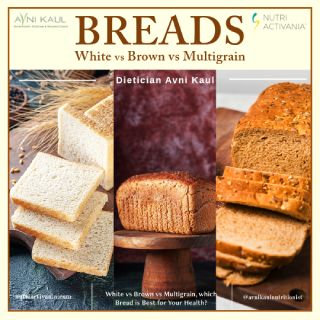
- White bread
Although plain white bread may lack distinctive taste or flavor, its inherent versatility makes it an excellent ingredient. Its neutral nature allows it to absorb various flavours and adapt to different culinary styles, making it a popular choice in Indian cuisine. From bread upma to bread rolls, there is a wide range of recipes that showcase the transformation of ordinary white bread into delectable Indian dishes.
White bread, with its soft and fluffy texture, has long been a favourite among many. However, it’s refinement process strips away the outer bran and germ layers, leaving only the endosperm. This results in a product that is lower in fibre and essential nutrients, contributing to a higher glycemic index. Consuming white bread can lead to rapid spikes and crashes in blood sugar levels, resulting in weight gain and insulin resistance. For those aiming at weight management and sustained energy levels, opting for whole grains over white bread might be a more prudent choice.
- Brown Bread
Choose whole-grain brown bread over white for better taste and also because it is packed with fibre, vitamins, and minerals. It helps regulate blood glucose, promotes regular bowel movements, and lowers cholesterol, potentially reducing the risk of hypertension, stroke, and obesity. With fewer calories per slice, it is a good option for weight management, but practice portion control. Ensure you are getting true whole wheat by checking labels for “whole wheat” or “whole grain” to maximize health benefits.
- Multigrain bread
Multigrain bread, a blend of various grains and seeds like wheat, rye, millet, and barley offers a diverse nutrient profile with vitamins, minerals, and antioxidants. Its composition aids weight management by promoting sustained energy and minimizing overeating.
With a high fibre content, it addresses constipation issues prevalent in nearly a quarter of India’s population. Additionally, it helps combat cholesterol problems, making it beneficial for those with heart ailments. For individuals with Type 2 Diabetes, multigrain bread has a low impact on blood sugar levels and protein content making it a healthy dietary choice, aiding weight loss and muscle recovery. The bread also provides essential micronutrients for overall well-being.
Which one will you pick?
Avni Kaul says you need to do the following things when you go for your preferred variety of bread. These are the things to check for:
Read Labels Thoroughly. Look for products explicitly labelled as “whole wheat” or “whole grain” to ensure you are getting the nutritional benefits associated with these varieties. Opt for whole-grain bread over white bread as it is richer in fibre and nutrients. This choice not only contributes to a prolonged feeling of fullness but may also support weight loss efforts. Be mindful of the ingredients. Stay away from added sugars, high fructose corn syrup, etc. Now that you know about the 3 types of bread, you can make a healthier choice and manage your weight better.