

A post pregnancy weight loss diet program is a nutrition plan designed to support gradual, safe weight loss after childbirth, while still meeting the nutritional demands of postpartum recovery and, where relevant, breastfeeding. Avni Kaul, a dietician in Delhi, builds these programs for new mothers, balancing weight loss goals with the reality that the body’s nutritional needs after pregnancy are still significantly higher than they were before it.
Post pregnancy weight loss is often approached the wrong way, either rushed, in pursuit of “bouncing back” quickly, or avoided altogether out of fear that any calorie restriction will affect breast milk supply or recovery. Neither extreme serves a new mother well. The right approach sits between the two: a plan that supports steady, sustainable weight loss without compromising recovery, energy levels, or milk supply.
Why Post Pregnancy Weight Loss Needs Its Own Approach

The postpartum body is not simply a body that needs to “return to normal.” It has just been through significant physiological change and, particularly for breastfeeding mothers, continues to have elevated nutritional requirements. A weight loss plan that ignores this context risks slowing recovery, affecting milk supply, or leaving a new mother exhausted at a time when energy is already in short supply.
A postpartum-specific approach differs from a standard weight loss plan in several important ways:
- It accounts for breastfeeding, which increases calorie and nutrient needs rather than allowing for the same restriction as a non-breastfeeding plan
- It supports postpartum recovery, including replenishing iron and other nutrients depleted during pregnancy and delivery
- It sets a realistic timeline, recognising that pregnancy weight gain happened over nine months and healthy loss similarly takes time
- It works around disrupted sleep and unpredictable routines, rather than assuming a stable, predictable schedule
- It prioritises energy and mood alongside weight loss, since postpartum fatigue and hormonal shifts are real factors, not obstacles to push through
When to Start Thinking About Post Pregnancy Weight Loss
There is no single correct starting point, since recovery varies significantly between a vaginal delivery and a caesarean section, and between individual pregnancies. Most guidance suggests waiting until at least six weeks postpartum, and often longer following a caesarean delivery, before introducing any structured calorie reduction, with clearance from the treating obstetrician recommended first.
In the earlier weeks, the priority remains recovery and, where applicable, establishing breastfeeding, rather than active weight loss. This does not mean nothing can be done nutritionally in this period; a well-structured, adequately nourishing diet during early postpartum recovery often lays useful groundwork for the more active weight loss phase that follows.
How a Post Pregnancy Weight Loss Diet Program Is Built
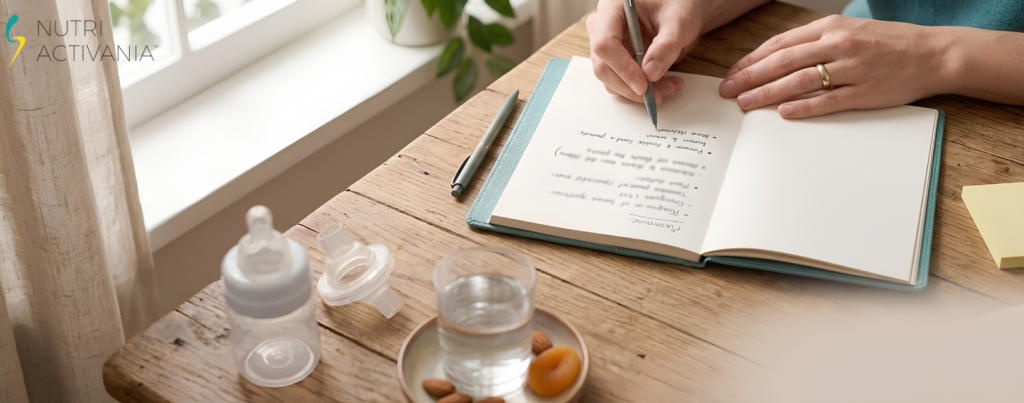
Step 1: Recovery and feeding assessment. The program begins with a review of delivery type, current recovery stage, and whether the mother is breastfeeding, expressing milk, or formula feeding, since this significantly affects calorie and nutrient requirements.
Step 2: Nutrient repletion review. Iron, calcium, and other nutrients commonly depleted during pregnancy and delivery are assessed, since addressing deficiencies often needs to happen alongside, not after, any weight loss efforts.
Step 3: Calorie and nutrient calculation suited to feeding status. Calorie targets are calculated to allow for gradual weight loss while still meeting the higher nutritional demands of breastfeeding, where relevant, rather than applying a standard non-postpartum calorie deficit.
Step 4: Meal planning around a disrupted routine. Meals and snacks are structured to work around unpredictable sleep and feeding schedules, favouring simple, nutrient-dense options that do not require significant time or energy to prepare.
Step 5: Gradual progression and ongoing review. The pace of weight loss is reviewed regularly and adjusted as recovery progresses, feeding patterns change, or energy levels shift, rather than following a fixed plan regardless of how the body responds.
What the Diet Typically Includes
The dietary approach for post pregnancy weight loss prioritises nutrient density over calorie restriction, particularly in the earlier months.
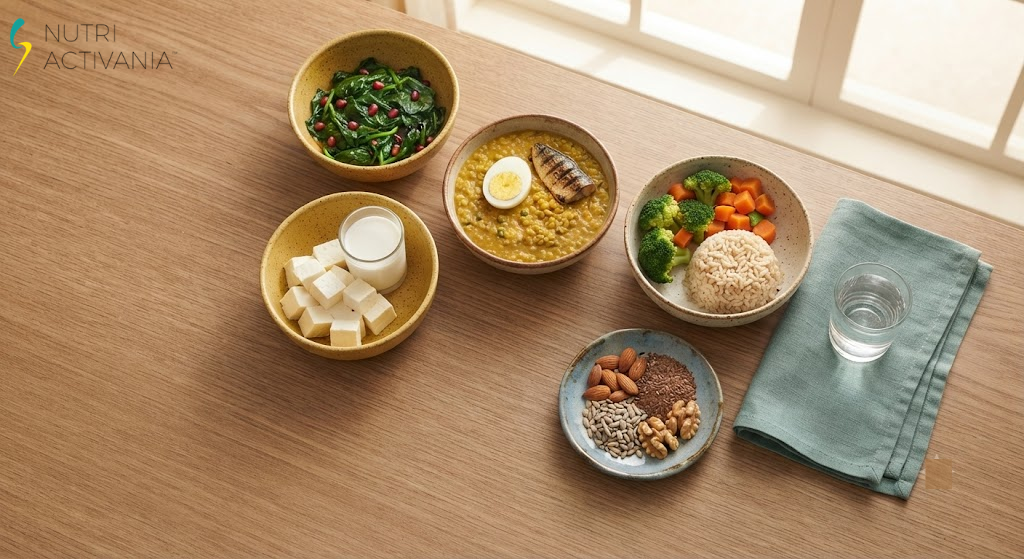
Commonly emphasised:
- Iron-rich foods, to help replenish stores depleted during pregnancy and delivery
- Calcium-rich foods, particularly important during breastfeeding
- Adequate protein at each meal, from dal, eggs, paneer, and fish, to support recovery and, where relevant, milk production
- High-fibre vegetables and whole grains, in measured portions rather than heavily restricted
- Healthy fats from nuts, seeds, and cold-pressed oils, which also support hormonal recovery
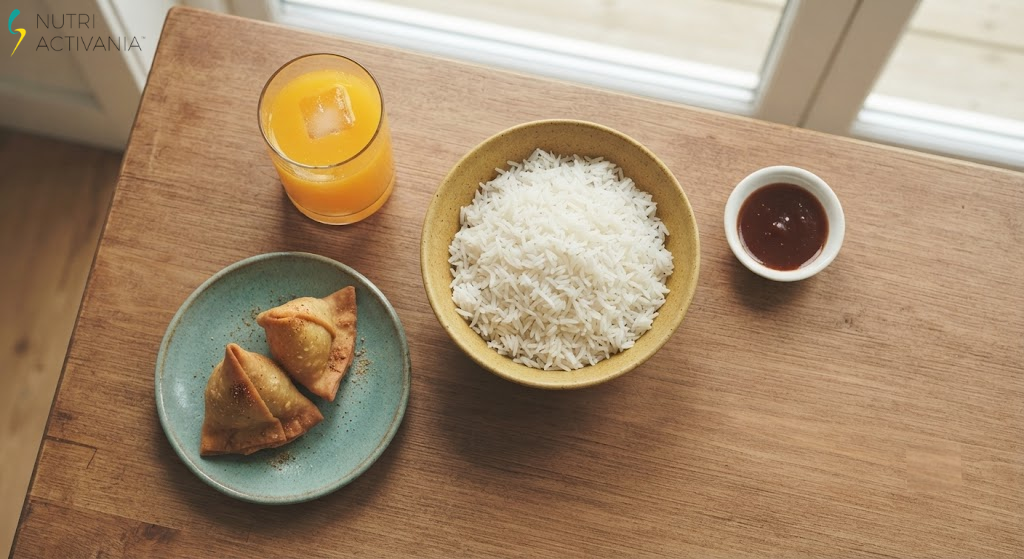
Commonly reduced, though rarely eliminated:
- Sugary beverages and highly processed snacks
- Deep-fried foods
- Large, uncounted portions where calorie awareness supports the weight loss goal
Severe calorie restriction is generally avoided in this program, particularly during breastfeeding, since it can affect both milk supply and the mother’s own recovery and energy levels.
Who Should Consider a Post Pregnancy Weight Loss Diet Program
- New mothers looking to lose pregnancy weight gradually and safely
- Breastfeeding mothers who want to manage weight without affecting milk supply
- Mothers recovering from a caesarean delivery who need a plan that supports healing alongside weight goals
- Mothers experiencing postpartum fatigue who need a nutrient-focused approach rather than calorie restriction alone
- Anyone who has been given generic weight loss advice that does not account for breastfeeding or postpartum recovery
Why Choose Avni Kaul for a Post Pregnancy Weight Loss Diet Program
Avni Kaul is a Gold Medallist from the University of Delhi and received the Best Dietician Award in 2019. Her approach to post pregnancy weight loss balances gradual, sustainable weight loss with the real nutritional demands of postpartum recovery and breastfeeding, rather than applying a standard calorie-restricted diet regardless of feeding status. Plans are built around simple, practical meals suited to the unpredictable early months of motherhood.
Conclusion
Post pregnancy weight loss is not simply weight loss with a different starting point. It involves balancing a genuine goal, returning to a comfortable, healthy weight, with the equally genuine demands of recovery and, for many mothers, breastfeeding. A structured program that accounts for both tends to produce steadier, more sustainable results than either an overly aggressive diet or no structured approach at all. For any new mother ready to think about weight loss without compromising recovery or milk supply, a program built specifically around this stage offers a safer, more realistic path forward.
Frequently Asked Questions
When is it safe to start a weight loss diet after pregnancy?
Most guidance suggests waiting at least six weeks postpartum, often longer after a caesarean delivery, and getting clearance from the treating obstetrician before starting any structured calorie reduction.
Will dieting affect my breast milk supply?
Severe calorie restriction can affect milk supply, which is why post pregnancy weight loss programs use a more moderate approach, ensuring calorie and nutrient intake stay adequate to support breastfeeding.
How much weight loss per week is considered safe postpartum?
Gradual weight loss, generally around half a kilogram per week, is typically considered safe and sustainable, though this can vary based on individual recovery and feeding status.
Can I follow this program if I am not breastfeeding?
Yes. The program is adjusted based on feeding status, with calorie and nutrient targets set differently for breastfeeding and non-breastfeeding mothers.
Do I need my doctor’s approval before starting?
Yes, clearance from the treating obstetrician is generally recommended before beginning any structured weight loss program, particularly following a caesarean delivery or any pregnancy or delivery complications.
How is this different from a general weight loss diet plan?
A post pregnancy program accounts for postpartum recovery, nutrient depletion, and breastfeeding needs, all of which a general weight loss plan does not typically factor in.