
Prediabetes is a health condition which means your blood sugar level is higher than normal but is not high enough for you to be diagnosed with diabetes.
The blood sugar range for prediabetes is between 100-125 milligrams per deciliter (mg/dL), and the A1c range is 5.7% to 6.4%. The A1c averages your blood sugar over 2-3 months.
Nutritionist Avni Kaul says prediabetes generally has no symptoms, but it almost always shows up before you get diagnosed with diabetes. doctors look for the need to diagnose it more often. Treating it can stop more serious health problems later on.
In this article, Delhi’s top Nutritionist and Dietician Avni Kaul talk about the causes and symptoms of pre-diabetes and diet to counter it. Here they are:
Signs And Symptoms Of Pre Diabetes
Though most people have no symptoms who have pre-diabetes, but one can notice the following:
- You are more thirsty than usual.
- You urinate a lot.
- Your vision is blurry.
- You feel extremely tired.
Risk Factors And Causes Of Pre Diabetes
One is more likely to become pre-diabetic if:
- Had gestational diabetes or gave birth to a baby weighing higher than 9 pounds
- Have polycystic ovary syndrome (PCOS).
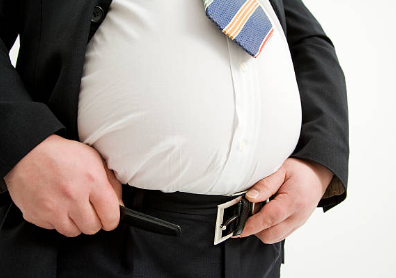
- Is overweight or obese, particularly around the middle (belly fat.)
- Have high cholesterol, and triglycerides, low HDL cholesterol, and high LDL cholesterol.
- Do not exercise.
- Is older; people above the age of 45 are most likely to get it.
- Have a waist measuring more than 40 inches for a man and 35 inches for a woman.
- Eat red and processed meat, or consume sugary beverages but skimp on fruit, vegetables, nuts, whole grains, and olive oil.
- Have sleep issues, like sleep apnea, or one work changing shifts or night shifts.
Now here are some diet principles that will help your blood sugar levels from going up and will also, provide other health benefits.
Skip The Sugary Drinks
Stop taking sweet tea, juice, soda, and lemonades along with coffee. This is the primary recommendation. Do not drink your sugar. Sugary drinks give nothing more than empty calories, and they will not help you feel full. All the sugary drinks are available there is a real risk factor for obesity.
Pull Back On Portions
You still can eat several of the foods you like, but only have smaller amounts of them, this is particularly true for starchy foods like white rice, white potatoes, and pasta. Reduce the high-calorie, fast foods, and save your desserts for rare occasions. Remember that even healthy foods can make you gain weight if you eat too much of them, and being overweight is a primary risk factor.
Increase The Fiber Intake
Have plenty of high-fiber foods, including vegetables, fruits, beans, and whole grains. Fiber helps you feel fuller longer and will help you eat less to avert weight gain. At least half your plate must be of fruits and vegetables that have been steamed or sautéed in healthy fats. Those vegetables preferably should be fresh. If possible do not take canned vegetables.
Be Selective About Fats
Your diet must have some fat, but go for the healthiest sources olive and vegetable oils such as sunflower oil, safflower oil, and canola oil nuts, seeds, and avocado. Get low-fat or fat-free dairy products like non-fat or low-fat yogurt, and skim milk.
Stay Hydrated
Drink a lot of water. People often mistake thirst for hunger, which causes one to overeat and weight gain. You feel good when you’re hydrated. Staying hydrated helps to reduce your blood sugar, which you should do anyway.
Diet Should Be Mixed With Regular Exercise
A prediabetes regimen must include regular exercise, both aerobics, and strength training, to assist you to get to a healthy weight and maintain it once you’re there. Look for at least 30 minutes a day.
You can also, include activities like parking your car farther from the entrance at the mall or your office building, taking the stairs instead of elevators, and have a walk around your workplace at lunchtime.
The best way to prevent prediabetes or diabetes is to follow a healthy lifestyle, which includes making smart food choices and proper exercising.