
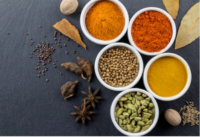
Since time immemorial, spices have played a significant role in how you cook and consume food, whether in India or around the world. Every spice has its unique flavouring and essence, and its addition or omission can completely make or break a dish.
Nutritionist Avni Kaul says there are many spices and herbs that you use in your day-to-day cooking, these spices include popular ones like cumin, black pepper, and coriander seeds. Herbs such as turmeric, Henna leaves, and ginger root are also widely used both in cooking and in health remedies. In historic times, India attracted many traders from various parts of the world in search of exotic spices. Such is the role of Indian spices.
Indian spices and herbs are known to have various health benefits; in fact, it’s the addition of a bouquet of spices that makes traditional Indian home-cooked food one of the healthiest meals eaten around the world. Indian spices and herbs contain notable nutritional values and provide some major health benefits.
In this article, Delhi’s eminent Nutritionist and Dietician Avni Kaul talks about the amazing health benefits of eating Indian spices and herbs.
Ajwain
Ajwain is also called as carom seeds. Carom seeds are mostly chewed for medicinal purposes. Despite having a partially bitter taste, Ajwain provides a host of health benefits. Ajwain promotes digestion, relieves stomachache ache and helps alleviate toothache. These seeds are high in calcium, protein, and fiber, too.
Kaali Mirch
A pinch of black pepper or Kaali Mirch, when added to any recipe, boosts the flavor manifold. Black pepper, also regarded as the king of spices, promotes weight reduction, helps relieve cold and cough, enhances digestion, boosts metabolism and treats several skin problems. As a matter of fact, a glass of Haldi Doodh becomes much more therapeutic when a pinch of black pepper is added.
Laung
Cloves, better known as Laung in India, are antibacterial, anti-fungal and antiseptic. They are a powerhouse of antioxidants and are great sources of minerals, omega-3 fatty acids, fiber and vitamins, and vitamins. Oil extracted from cloves is one of the best sources of antioxidants. In aromatherapy, it is used as an antiseptic and pain reliever, particularly for toothaches and stomach pain. It is mostly mixed with other oils to treat several disorders. For example, those who have troubled sleep can apply some warm clove oil along with sesame (Til) oil on the forehead to feel calm and relaxed.
Dhaniya
Also known by the name cilantro or Coriander. Dhaniya comes packed with vital health benefits. It is not only beneficial when taken fresh, but adding coriander seeds to your daily food can also be quite healthy. Dhaniya seeds have anti-oxidant properties and dietary fiber that boost the healthy functioning of the liver and facilitate bowel movements. They help in the formation of digestive compounds and juices that support the process of digestion. In the event that you experience some indigestion, try adding coriander seeds to your diet. You will definitely feel a pleasant difference.
Dalchini
Dalchini or cinnamon is a favorite spice in almost every Indian household, which has been used throughout the world for ages. It has a large number of antioxidants that protect the body from diseases and have several anti-inflammatory qualities. Dalchini forms a part of various exotic dishes and is currently quite popular for its ability to reduce tummy bloat.
Ginger Root
Ginger is a herb that is a favorite during flu season and cold winter days. Ginger root is beneficial for lowering nausea, inflammation and digestive problems. It can also be used as a home remedy for the treatment of sore throats, congestion, headaches, flu, and rheumatism.
Henna Leaves
These leaves are an excellent diuretic; they decrease pain, are good for detoxing the body and can be used for treating constipation. Henna leaves are also used for skin ailments like boils, ulcers, and wounds. It is also effective in fever, haemorrhage and menstrual cramps.
Haldi
Haldi is a herb that needs no introduction; it is added to most Indian dishes. The root and the leaves have medicinal components; it is particularly known for its anti-bacterial properties. It has a long list of health benefits, which include relieving joint pains, arthritis, digestive disorders, heart diseases, and liver issues. Turmeric is also great for countering cancerous cells and works great for skincare.