
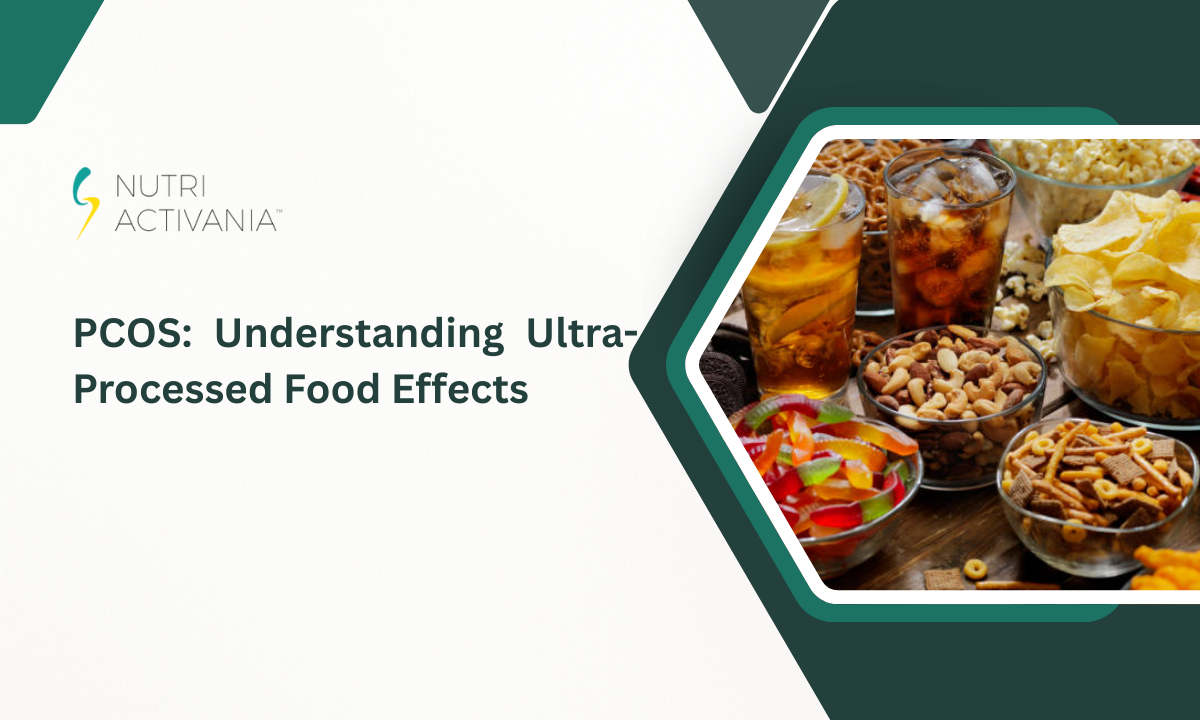
Polycystic Ovary Syndrome (PCOS) is a complex endocrine disorder affecting millions of women globally. While managing PCOS involves several factors, diet plays a paramount role.
Recently, attention has focused on the detrimental effects of ultra-processed foods (UPFs). If you’re seeking advice from a PCOS dietitian in Delhi or a PCOS nutritionist in Delhi, they will undoubtedly stress the importance of minimizing these foods.
This guide breaks down what ultra-processed foods are and precisely how they impact PCOS symptoms, hormonal balance, and long-term health.
What are Ultra-Processed Foods (UPFs)?
Ultra-processed foods are industrial formulations made primarily from ingredients that are not typically used in home cooking, such as:
- Refined Sugars and Syrups: High-fructose corn syrup, dextrose.
- Processed Oils: Hydrogenated fats and chemically modified oils.
- Artificial Additives: Flavorings, colorings, emulsifiers, and preservatives.
Common Examples of UPFs:
- Packaged snacks (chips, cookies, many breakfast cereals)
- Sugary drinks (sodas, flavored milk drinks)
- Mass-produced breads and bakery items
- Frozen dinners and ready-to-eat meals
- Processed meats (hot dogs, nuggets)
How UPFs Worsen PCOS Symptoms
The consumption of ultra-processed foods creates a cycle of metabolic dysfunction that directly aggravates key aspects of PCOS:
1. Driving Insulin Resistance
This is the single biggest connection. UPFs are typically high in refined carbohydrates and added sugars, causing rapid spikes in blood glucose.
- The Effect: To manage these spikes, the pancreas secretes excess insulin. Over time, cells become less responsive to insulin (insulin resistance), leading to hyperinsulinemia (high insulin levels).
- PCOS Link: High insulin is a primary driver of androgen (male hormone) overproduction in women with PCOS, worsening symptoms like hirsutism, acne, and irregular periods.
2. Fueling Chronic Inflammation
The processed fats and high sugar content in UPFs can trigger low-grade chronic inflammation throughout the body.
- The Effect: This inflammation interferes with hormone signaling, including the delicate balance required for ovulation.
- PCOS Link: Chronic inflammation is strongly linked to the severity of PCOS symptoms and poor metabolic health.
3. Contributing to Weight Gain
UPFs are often energy-dense but nutrient-poor, meaning they provide lots of calories without satisfying hunger effectively.
- The Effect: The additives and textures of UPFs can be highly addictive, encouraging overconsumption. This contributes to weight gain, which further exacerbates insulin resistance and androgen levels.

4. Disrupting the Gut Microbiome
The emulsifiers, artificial sweeteners, and low fiber content in UPFs negatively impact the diversity and health of your gut bacteria.
- The Effect: A disrupted gut microbiome (dysbiosis) can impair nutrient absorption and increase inflammation, directly impacting overall metabolic health relevant to PCOS.
Strategies for Minimizing UPFs and Improving PCOS
Working with a PCOS dietitian in India can help you tailor these strategies to your lifestyle:
- Read Labels Carefully: Look for long lists of ingredients you don’t recognize or names you wouldn’t use in your own kitchen (e.g., specific gums, hydrogenated oils, artificial colorings).
- Focus on Whole Foods: Build your diet around minimally processed foods: fresh vegetables, fruits, whole grains (like brown rice, oats, millet), legumes, nuts, seeds, and lean proteins.
- Prioritize Home Cooking: By cooking meals from scratch, you have complete control over the ingredients, especially added sugar and processed fats.
- Stay Hydrated: Replace sugary sodas and packaged juices with water, herbal teas, or water naturally flavored with fruits.
Need Personalized Guidance?
Addressing PCOS requires a holistic and tailored dietary approach that goes beyond just cutting out UPFs. A specialist can help you create a sustainable, nutrient-rich plan designed to manage your specific hormonal and metabolic challenges.
For expert nutritional support, consider visiting the dedicated services page for a PCOS dietitian and nutritionist in Delhi here: https://nutriactivania.com/pcos-dietitian-nutritionist-delhi/