
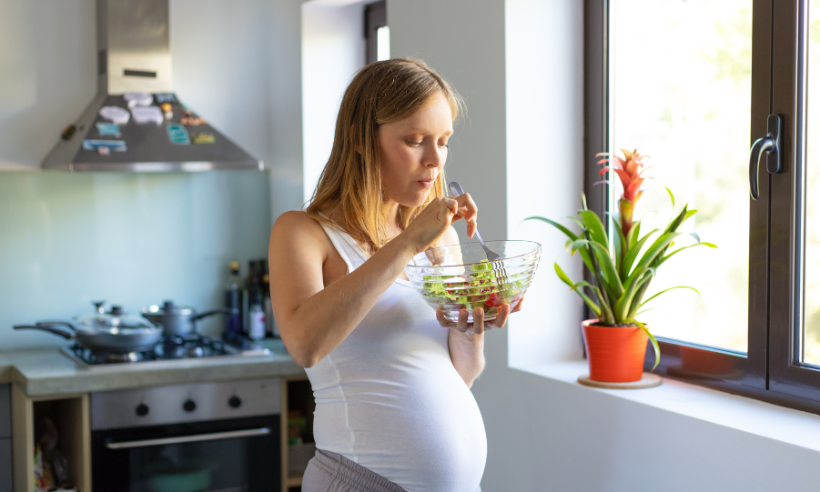
Pregnancy and lactation are life-altering periods in a woman’s life, characterized by fundamental physiological and endocrine transitions. Such transitions do not only equip the mother for giving birth, but also lay down the framework for the healthy growth of the baby. Suitable diet and nutrition during pregnancy have a pivotal role to play in maintaining healthy maternal as well as fetal status.
Avni Kaul, a renowned professional and founder of Nutriactivania, recognized as one of the best Dieticians for pregnancy in Delhi, India, emphasizes that balanced prenatal nutrition is essential. According to her, consuming the correct nutrients in the right quantities can help prevent complications, support fetal development, and promote a smooth postpartum recovery.
In this blog, we will analyze the nutritional needs during pregnancy, the optimal dietary needs for pregnant women, and expert advice to have a healthy pregnancy and lactation phase.
Knowledge of the Nutritional Needs During Pregnancy
Increased Caloric Needs
Pregnancy boosts the metabolic rate of a woman, which demands an extra intake of calories for fetal development.
- First trimester: No extra calories needed
- Second trimester: About 300-350 extra calories a day
- Third trimester: Approximately 450 additional calories a day
These additional calories must be from nutrient-dense foods and not junk or processed foods.
Macronutrients: Proteins, Carbohydrates, and Fats
- Proteins: Needed for fetal tissue growth. Sources: Eggs, lean meat, dairy, lentils, and nuts.
- Carbohydrates: Carbohydrates give energy and prevent tiredness. Sources: Whole grains, fruits, and vegetables.
- Healthy Fats: Fats are responsible for brain and nerve growth—sources: Avocados, nuts, seeds, and olive oil.
Micronutrients that are vital for pregnant women
Folic Acid (Vitamin B9)
Folic acid stops neural tube defects in the baby.
- Recommended amount: 600 mcg/day
- Food sources: Green leafy vegetables, fortified cereals, beans, and citrus fruits.
Iron
Iron aids in increased blood volume and prevents anemia. Recommended amount: 27 mg/day
Food sources: Red meat, spinach, lentils, and iron-fortified foods.
Calcium
Needed for fetal bone growth and maternal bone health.
- Recommended amount: 1,000 mg/da
- Food sources: Dairy products, tofu, almonds, and leafy greens.
Vitamin D
- Supports immune function and calcium absorption.
- Suggested intake: 600 IU/day
- Sources: Sunlight, fortified milk, and fatty fish.
Omega-3 Fatty Acids
Essential for fetal eye and brain development.
- Suggested intake: 200-300 mg/day
- Sources: Fatty fish (salmon, sardines), flaxseeds, walnuts.
Fluid and Hydration Needs
Water is needed to maintain augmented blood volume and levels of amniotic fluid and to avoid dehydration.
- Suggested intake: 2.5-3 liters per day.
- Best options: Water, coconut water, fresh juices, and herb teas.
Dietary Instructions for Lactating Mothers
Higher Calorie Requirements
An extra 500-600 calories are needed through breastfeeding each day. Nutritious foods rather than empty-calorie foods need to be opted for.
Vitamins and Nutrients for Nursing Mothers
- Protein: Ensures post-birth recovery as well as lactation.
- Calcium: Conserves maternal calcium stores.
- Iron: Restocks maternal iron losses during delivery.
- Vitamin B12: Essential for infant brain growth.
Incorporating Foods for a Lactation Diet
Galactagogues (foods that increase milk supply):
- Fenugreek, oats, garlic, and almonds.
- Protein foods: Lentils, milk, lean meat, eggs.
- Healthy fats: Nuts, seeds, and avocados.
Foods to be Avoided During Pregnancy and Lactation
- Raw or undercooked fish, eggs, and meat (risk of infections)
- Unpasteurized milk (risk of listeria)
- Caffeine (limit to 200 mg a day)
- High-mercury fish (like shark, king mackerel)
- Processed foods with high sugar and salt content
Role of a Nutritionist During Pregnancy
A pregnant woman’s nutritionist is an important person in designing a well-balanced diet that addresses the unique requirements of the mother and fetus. Visiting a nutritionist during pregnancy can assist in resolving issues such as:
- Controlling morning sickness through appropriate food intake
- Preventing gestational diabetes by controlling diet
- Maintaining proper weight gain without excess fat buildup
Avni Kaul, one of the best experts in prenatal nutrition, advises that every pregnancy is unique, and customized nutrition plans can help meet individual needs effectively.
Tips for a Healthy Pregnancy Diet
- Start the day with a nutritious breakfast (whole grains, protein, and healthy fats).
- Eat small, frequent meals to prevent nausea and maintain energy levels.
- Incorporate a variety of colorful vegetables and fruits to get diverse nutrients.
- Select healthy cooking techniques (steaming, barbecuing, and roasting in place of frying).
- Restrict sugary beverages and processed foods to stay at a healthy weight.
- Add probiotics (yogurt, kefir) and fiber-containing foods for healthy digestion.
- Drink plenty of water to avoid dehydration and constipation.
Conclusion
A balanced diet for pregnancy guarantees an uneventful pregnancy, a healthy infant, and a robust postpartum recovery. Fulfilling the nutritional needs of pregnant women entails taking appropriate proteins, necessary vitamins, minerals, and good fats. Nutrition is also important during lactation, catering to the mother and the infant’s nutritional demands.
Receiving advice from a nutritionist during pregnancy can greatly help in catering to individual needs. Specialists such as Avni Kaul, who is popularly regarded as the best pregnancy Dietician, suggest sticking to a nutrient-based diet that changes according to every phase of pregnancy and lactation.
Prioritizing nutritional needs during pregnancy ensures not only the woman’s health but also that of generations to come.