

Imagine this scenario: You are following your diet perfectly. You are skipping dessert, eating your greens, and even hitting the gym four times a week.
Yet, when you step on the scale, the number hasn’t budged. Or worse, it has gone up.
Frustrating, isn’t it? Most people blame their willpower or assume they need to cut even more calories. But often, the problem isn’t what you are eating—it is what you are feeling.
We tend to think of stress as a mental struggle, but for your body, it is a physical emergency. When you are constantly anxious, overworked, or sleep-deprived, your biochemistry shifts into “survival mode.”
In this state, your body refuses to burn fat because it thinks it needs to hoard energy to survive a threat. If you are struggling to lose weight, stress might be the invisible wall standing in your way, and guidance from a weight loss dietician in Delhi can help uncover hidden hormonal and lifestyle factors affecting your progress.
At NutriActivania, we see this constantly. Clients come in thinking they have a “slow metabolism,” only to discover that their hormones are hijacking their progress.
In this blog, we will decode the link between stress and the scale.
The Science: Meet Cortisol (The Survival Hormone)
To understand the answer to “Does stress affect weight loss?” you need to meet Cortisol.
Cortisol is your body’s primary stress hormone.
Thousands of years ago, stress meant a physical threat—like running away from a tiger.
In response, your body would flood your system with Cortisol. This hormone does two things:
- Releases Sugar: It dumps glucose into your bloodstream to give you quick energy to “fight or flee.”
- Pauses Digestion: It shuts down non-essential functions (like metabolism and digestion) to save energy for the escape.
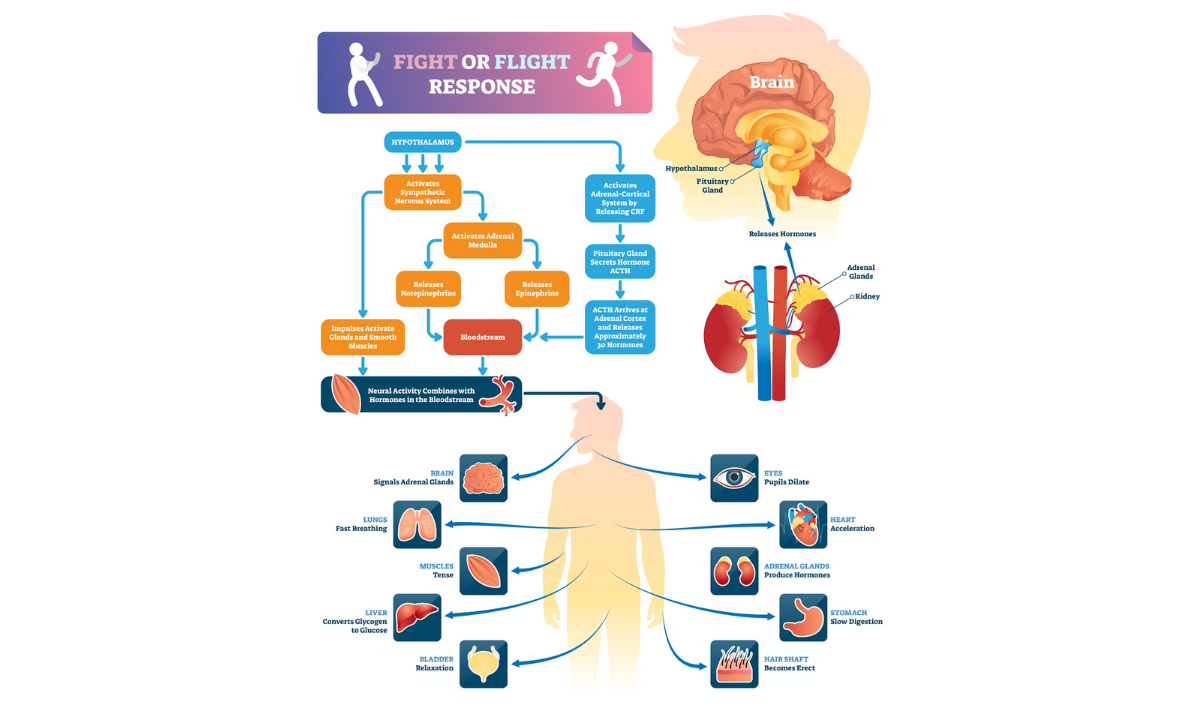
The Modern Problem: Today, your “tiger” is a traffic jam, a deadline, or a credit card bill. You don’t run away; you sit in your chair. But your body still dumps that sugar into your blood.
Since you aren’t running, you don’t burn it off. Instead, your body has to store that excess sugar as fat. Essentially, chronic stress tells your body, “Don’t burn fat! We might need it for the emergency!”
Why Stress Targets Your Waist
The spare tire you didn’t order.
Have you noticed that when you are stressed, you don’t just gain weight evenly?
You gain it specifically around your midsection. This phenomenon is known as the cortisol belly fat.
Why does this happen? Your body is incredibly smart. Fat cells are not all the same.
The fat cells in your abdomen (visceral fat) have four times more cortisol receptors than fat cells in your legs or arms.
When cortisol floods your system, it acts like a key, unlocking these specific fat cells and telling them to store more energy.
- The Logic: Your body wants to keep energy (fat) close to your vital organs (liver) so it can access it quickly during an “emergency.”
The Consequence: This leads to cortisol and weight gain that is stubborn and hard to lose, even with crunches.
5 Signs Your Weight Gain is Hormonal

It’s not just “in your head.”
How do you know if your weight struggle is due to that extra slice of pizza or chronic stress? If you relate to the symptoms below, your cortisol levels might be the culprit.
The High-Cortisol Checklist
| The Symptom | What It Feels Like | The Biological Reason |
|---|---|---|
| The “Spare Tire” | You are thin everywhere else (legs/arms), but have a pouch of belly fat. | Visceral Fat Storage: Cortisol targets the abdominal area specifically for quick energy access. |
| Salt & Sugar Cravings | You don’t just want food; you need chips or chocolate. | Adrenal Fatigue: Your adrenal glands are exhausted and demand quick salt/sugar to keep functioning. |
| “Wired but Tired” | You are exhausted all day, but when you lie in bed at 11 PM, you are wide awake. | Circadian Rhythm Disruption: Your cortisol is spiking at night when it should be low for sleep. |
| Muscle Loss | You feel weaker despite exercising. | Catabolic State: High cortisol breaks down muscle tissue to convert it into glucose for energy. |
| Brain Fog | You walk into a room and forget why. Difficulty concentrating. | Neurotoxicity: Chronic stress hormones can actually shrink the memory centre (Hippocampus) of the brain. |
If you have these signs of high cortisol levels, going on a “crash diet” or “starvation diet” will only make things worse. Starvation is a form of stress! It will spike your cortisol further, causing your body to hold onto fat even tighter.
How to Fix It: Turning Off the Alarm
You can’t starve stress away. You have to soothe it.
If your body is holding onto weight because it feels unsafe, the solution isn’t to run harder or eat less. The solution is to convince your body that the “emergency” is over.
Here is the functional nutrition approach on how to reduce stress belly fat:
A. Eat to Lower Cortisol (The Anti-Stress Diet)
- Don’t Skip Meals: Fasting can be great, but if you are stressed, skipping breakfast causes a blood sugar crash. Your body responds by pumping more cortisol to release stored sugar. Eat small, balanced meals to keep blood sugar stable.
- Magnesium (The Chill Pill): Magnesium helps calm the nervous system. Load up on spinach, pumpkin seeds, and almonds.
- Vitamin C: This vitamin helps clear cortisol from the bloodstream. Bell peppers, oranges, and amla are your best friends.
B. Rethink Your Workout
This might sound counterintuitive, but stop the HIIT (High-Intensity Interval Training). If your cortisol is already high, doing an hour of intense Crossfit or sprinting adds more physical stress to your body.
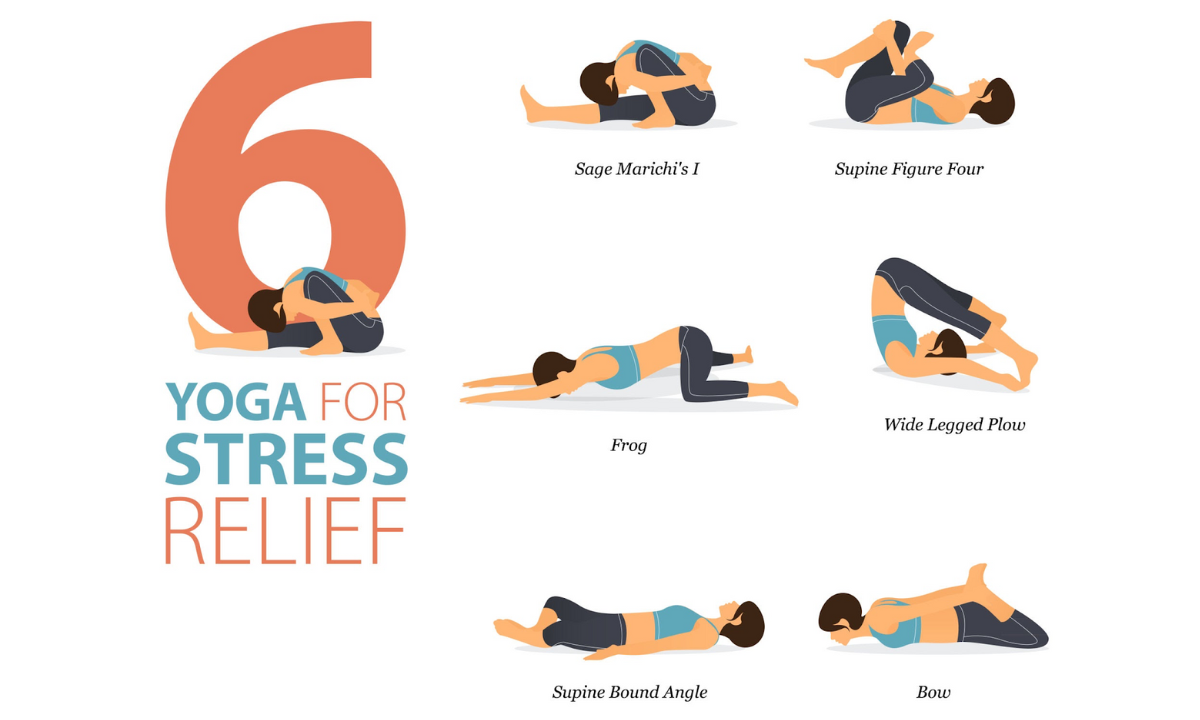
- The Fix: Switch to restorative exercises for a few weeks. Walking, Yoga, or Pilates build strength without spiking your heart rate into the “danger zone.”
- The Goal: You want to leave the gym feeling energized, not destroyed.
C. Prioritize Sleep
Sleep is the only time your body flushes out stress hormones. If you are sleeping less than 7 hours, no diet in the world will save you. Create a bedtime routine that signals safety to your brain (no screens, dim lights).
Conclusion
Weight loss isn’t just about calories in versus calories out; it is about hormones. You can force your body to lose weight for a while, but you cannot fight your biology forever.
If your “survival mode” is switched on, your body will fight to keep every gram of fat.
The key to long-term success isn’t punishing your body; it is partnering with it. If you suspect that stress is the invisible anchor holding you back, stop guessing.
Need a Hormonal Reset? Navigating cortisol imbalances requires a precise, scientific approach. Consult Dt. Avni Kaul, a leading nutritionist in Delhi, will analyze your stress triggers and build a nutrition plan that heals your metabolism.
As a specialized dietician in Delhi, she can help you turn off the alarm so your body can finally feel safe enough to let go of the weight.