Hair loss is one of the most common concerns I see in clinic, and biotin is almost always the first thing clients ask about. The internet promises that a few extra servings of eggs and almonds will transform thin, falling hair into thick, shiny strands within weeks.
The honest picture is a little more nuanced. Biotin matters for hair, but it is only one of several nutrients involved, and extra biotin only helps if you were short of it in the first place. For most people eating a reasonable mixed diet, biotin deficiency is uncommon, and more biotin on top of enough biotin does very little.
One of the most useful long-term steps is to eat a varied diet that provides enough protein, iron, zinc, and B vitamins. For a broader take on this, see our companion guide to 15 healthy and nutrient-rich foods for skin and hair. This guide covers the top 20 biotin-rich foods, how much you actually need, and the one common dietary habit that can block biotin absorption.
The Quick Answer
Biotin (Vitamin B7) is a water-soluble B-vitamin involved in the metabolism of carbohydrates, fats, and protein, nutrients and processes that support normal hair, skin, and nail tissue. The National Institutes of Health (NIH) Office of Dietary Supplements lists the adequate intake for adults at 30 micrograms (mcg) per day.
Biotin deficiency is uncommon in healthy adults eating a varied diet. If you are deficient, correcting that deficiency through food (or supplements where clinically indicated) can improve hair or nail symptoms, where that deficiency is contributing to them. If you are not deficient, adding more biotin on top is unlikely to make a visible difference, and that applies to both food and supplement sources.
The foods below are useful because they bring biotin alongside protein, iron, zinc, and other nutrients that are part of a balanced diet.
What Biotin Does, and What It Does Not Do
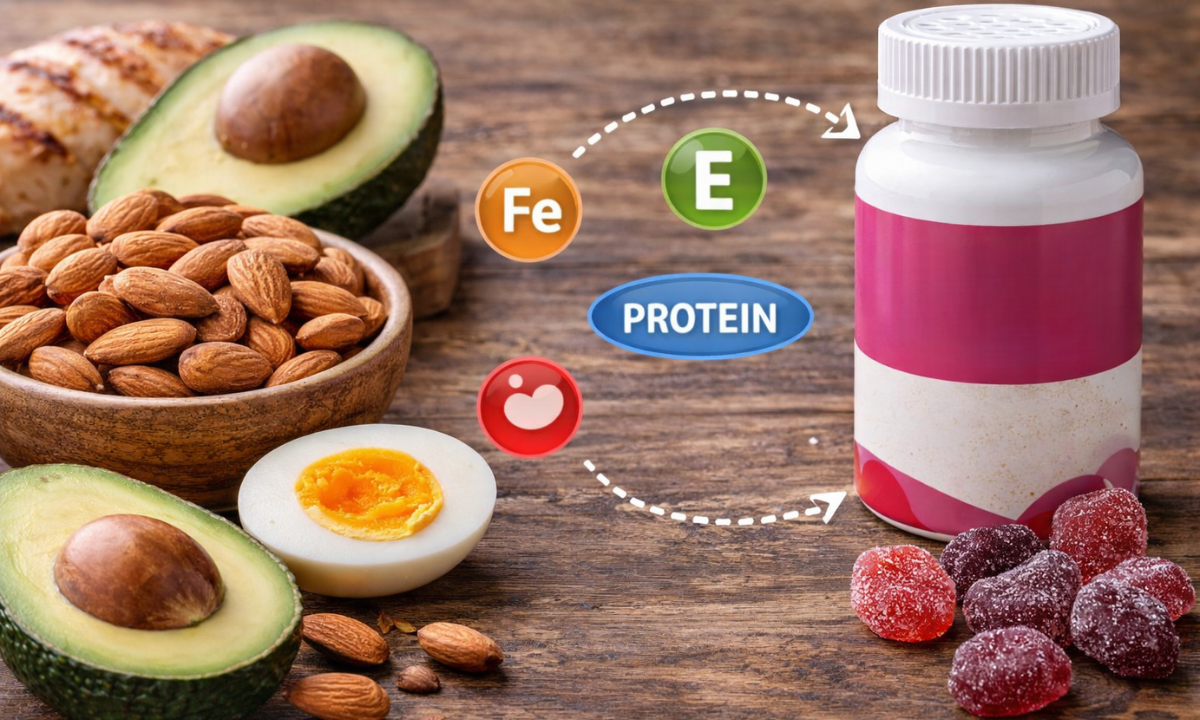
Biotin is involved in the metabolism of carbohydrates, fats, and protein, which includes processes relevant to hair, skin, and nail tissue. A genuine biotin deficiency can cause brittle hair, thinning, skin rashes, and brittle nails.
The evidence that biotin supplementation improves hair growth in people without a deficiency is limited. Most published cases of biotin helping hair involve patients with underlying deficiencies, genetic enzyme disorders, or hair-shaft problems that respond specifically to biotin.
In other words, biotin is a necessary nutrient. It is not a treatment for hair loss on its own, and it will not undo hair fall driven by thyroid issues, PCOS, iron deficiency, severe stress, androgenetic alopecia, or protein deficit.
For most clients, I treat biotin as part of the broader nutritional picture rather than a standalone fix.
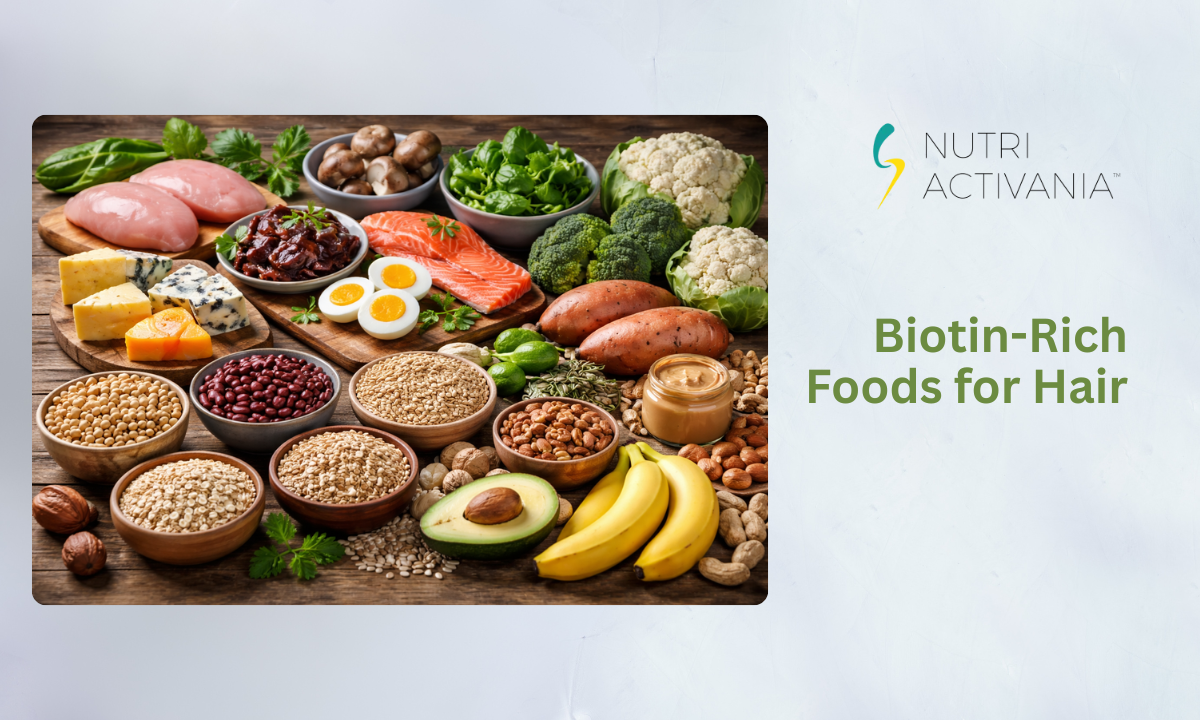
The Top 20 Biotin-Rich Foods
The values marked below are drawn from the NIH Office of Dietary Supplements selected foods table. Foods listed without a specific value contain biotin as part of a wider nutrient profile, with content varying by region, growing conditions, and preparation.
A. Animal Sources (The Densest Options)
If you eat non-vegetarian food, these are the highest-concentration biotin sources available.
- Cooked beef liver (around 30.8 mcg per 3-ounce serving). One of the richest biotin sources on record. A single serving can meet or exceed the daily adequate intake. It also carries iron, vitamin A, and vitamin B12.
- Whole cooked egg (around 10 mcg per egg). Most of the biotin is in the yolk, while the egg white contains avidin, which can bind biotin when eggs are eaten raw or undercooked. Eggs also contain high-quality protein, iron, and healthy fats. If you are curious about the full nutrient profile of an egg, read our breakdown of how much nutrition is in one egg. Always cook your eggs. The reason is explained further down.
- Canned pink salmon (around 5 mcg per 3-ounce serving). Salmon provides biotin along with protein and omega-3 fats, which can be part of a balanced diet.
- Cooked chicken. A reliable everyday protein source that contains biotin as part of its nutrient profile.
- Cheddar cheese. Aged and fermented cheeses contain small amounts of biotin alongside calcium and protein.
B. Vegetables
- Sweet potato (around 2.4 mcg per half cup cooked). One of the best vegetarian biotin sources. Also provides beta-carotene, which the body converts to vitamin A.
- Button mushrooms. Mushrooms contain biotin as part of a wider nutrient profile and are a useful plant-based source.
- Spinach. Contains biotin as part of a package that includes iron, folate, and vitamin E. Iron deficiency is one of the common nutritional contributors to hair fall in Indian women, and a point I come back to with clients in our holistic nutrition programme.
- Broccoli. Contains biotin alongside fibre, calcium, and vitamin C.
- Cauliflower. Contains biotin as part of a wider mix of B-vitamins and plant compounds.
C. Legumes and Grains
- Soybeans. A strong vegetarian source of both biotin and complete protein. Useful for people building biotin intake without meat, and a staple in our vegan nutrition plans.
- Kidney beans (rajma). A North Indian staple that provides plant protein, zinc, and biotin.
- Oats. A practical breakfast source of B-vitamins, including biotin, with the added benefit of fibre.
- Barley. Provides fibre and can contribute to a varied, balanced diet.
- Peanuts. Calorie-dense and a reliable biotin contributor. A small handful or a tablespoon of natural peanut butter makes a useful daily addition.
D. Nuts, Seeds, and Fruits
- Almonds (around 1.5 mcg per quarter cup roasted). Delivers biotin alongside vitamin E and magnesium.
- Walnuts. Walnuts provide healthy fats and small amounts of biotin.
- Sunflower seeds (around 2.6 mcg per quarter cup roasted). Easy to add to yoghurt, salads, or trail mix. Also carries vitamin E and selenium.
- Avocado. Provides healthy fats, folate, and biotin together.
- Banana. Contains small amounts of biotin as part of its nutrient profile. Useful as part of overall intake rather than a primary source.
The One Kitchen Habit That Can Block Biotin Absorption
Raw egg whites contain a protein called avidin that binds tightly to biotin in the digestive tract and prevents it from being absorbed. Eating raw or undercooked egg whites regularly, often in protein shakes, can reduce biotin status over time.
The fix is simple. Cooking denatures avidin, reducing its ability to bind biotin. Boiled, scrambled, poached, or fried eggs all deliver the full biotin content of the egg without the absorption problem from the white.
If raw egg whites are a regular part of your routine, switching to cooked eggs is a reasonable change to make.
How Much Biotin Do You Actually Need?
The NIH Office of Dietary Supplements adequate intake values are:
- Adults (19 years and above): 30 mcg per day
- Pregnant women: 30 mcg per day
- Breastfeeding women: 35 mcg per day
- Teenagers (14 to 18 years): 25 mcg per day
For most adults eating a varied diet with eggs, legumes, nuts, and vegetables, meeting this level is straightforward. For a wider look at how to plan a balanced day of eating, see our guide to an Indian diet plan for weight loss and a balanced day.
On supplements: High-dose biotin supplements (often marketed at 5,000 to 10,000 mcg) are rarely necessary for healthy adults. High-dose biotin supplements can interfere with some laboratory tests, including certain thyroid tests and troponin tests used to assess possible heart attack. Tell your doctor and laboratory about any biotin-containing supplement before blood tests. Do not stop a prescribed supplement without medical advice.
Do not self-prescribe high-dose biotin supplements. If you suspect your hair fall is nutrition-related, work with a dietician or clinician who can assess for actual deficiencies before you supplement.
Realistic Timelines
Hair grows at roughly half an inch per month. Changing your diet does not reverse existing damage, but it does change the quality of hair that grows out next.
- If you were genuinely biotin deficient, correcting the deficiency may show improvements in hair quality over 3 to 6 months.
- If you were not deficient, adding more biotin is unlikely to change your hair meaningfully.
- Hair fall driven by thyroid issues, PCOS, iron deficiency, androgenetic alopecia, or chronic stress needs its underlying cause addressed, not more biotin.
Set realistic expectations. Nutrition is a long game, and no single nutrient will transform hair on its own.
When Diet Is Not the Full Answer
If you are eating well, cooking your eggs, and still experiencing significant hair fall, biotin is almost certainly not the issue. Common contributors in my clinic include:
- Iron deficiency anaemia, especially in menstruating women
- Thyroid imbalances (both hypo- and hyperthyroidism)
- PCOS and related hormonal patterns
- Low overall protein intake
- Vitamin D deficiency
- Crash dieting or very low-calorie eating
- High chronic stress and sleep deprivation
These need investigation and personalised management rather than a longer grocery list.
Frequently Asked Questions
Can biotin regrow hair?
Biotin can support hair quality in people with a documented deficiency. For people without a deficiency, the evidence that extra biotin regrows hair is limited. Biotin is one piece of a wider nutritional picture, not a standalone hair-regrowth treatment.
Which food has the highest biotin?
Cooked beef liver carries the highest concentration of biotin among common foods, with around 30.8 mcg per 3-ounce serving according to NIH data. Whole cooked eggs, canned pink salmon, and sunflower seeds are strong secondary sources.
Can vegetarians get enough biotin?
Yes. A diet that includes eggs, soybeans, kidney beans, oats, mushrooms, sweet potatoes, almonds, sunflower seeds, and avocado can provide sufficient biotin for most adults. A vegan diet can include biotin-containing plant foods, but anyone considering a supplement should seek individual advice from a registered dietitian or clinician.
How long does it take to see results?
Hair grows at roughly half an inch per month, so dietary changes affect the hair that grows out next, not existing strands. If a biotin deficiency was contributing to hair fall, improvements may appear over 3 to 6 months of consistent dietary change.
Should I take biotin supplements?
Most adults eating a varied diet do not need biotin supplements. High-dose biotin can interfere with important blood tests, including thyroid and troponin tests. Consult a dietician or clinician before starting biotin supplements, especially if you have a scheduled lab test.
Does cooking destroy biotin in food?
Cooking eggs is important because it reduces avidin’s ability to bind biotin. Biotin losses during ordinary cooking vary by food and preparation.
Is biotin safe during pregnancy?
The NIH-recommended adequate intake for pregnant women is 30 mcg per day, which is easily met through diet. High-dose biotin supplements during pregnancy should only be taken on the advice of your obstetrician or dietician. For more on eating well during pregnancy, see our guide on dry fruits in pregnancy and our pre- and post-natal nutrition programme.
Can too much biotin from food cause side effects?
Biotin is water-soluble and excess from food is excreted in urine. Toxicity from food sources is not a recognised concern. The lab-test interference issue applies to high-dose supplements, not to normal food intake.
Evidence and Limitations
The biotin values in this guide are drawn from the NIH Office of Dietary Supplements selected foods table. Content varies by region, growing conditions, and preparation. The claims about biotin and hair reflect current scientific consensus: biotin matters, deficiency causes hair problems, correcting deficiency may help, and routine supplementation in non-deficient people has limited evidence behind it.
For personalised advice, especially if hair fall is severe or sudden, work with a clinician or qualified dietician rather than relying on a general guide.
Related Reads
- 15 Healthy and Nutrient-Rich Foods for Skin and Hair
- 10 Best Foods for Healthy and Glowing Skin
- How Much Nutrition Is in One Egg?
- Indian Diet Plan for Weight Loss: What a Balanced Day Can Look Like
- Dry Fruits in Pregnancy: Which Are Safe and How Much to Eat?
Still Seeing Hair Fall After Dietary Changes?
If you are eating well and still losing hair, the cause is likely beyond biotin. Issues like iron deficiency, thyroid imbalances, PCOS, or chronic stress often need testing and a targeted approach.
As a nutritionist with a B.Sc. and M.Sc. in Food and Nutrition from the University of Delhi and 12 years of clinical experience, including time at Max Hospital’s Endocrinology Department, Avni Kaul designs individualised nutrition plans built around your lab results, hormones, and lifestyle.
Important Disclaimer
This content is for informational and educational purposes only. It does not constitute medical or dietary advice. Please consult a qualified healthcare professional, such as a registered dietitian or your doctor, before making significant changes to your diet or starting any supplement.