
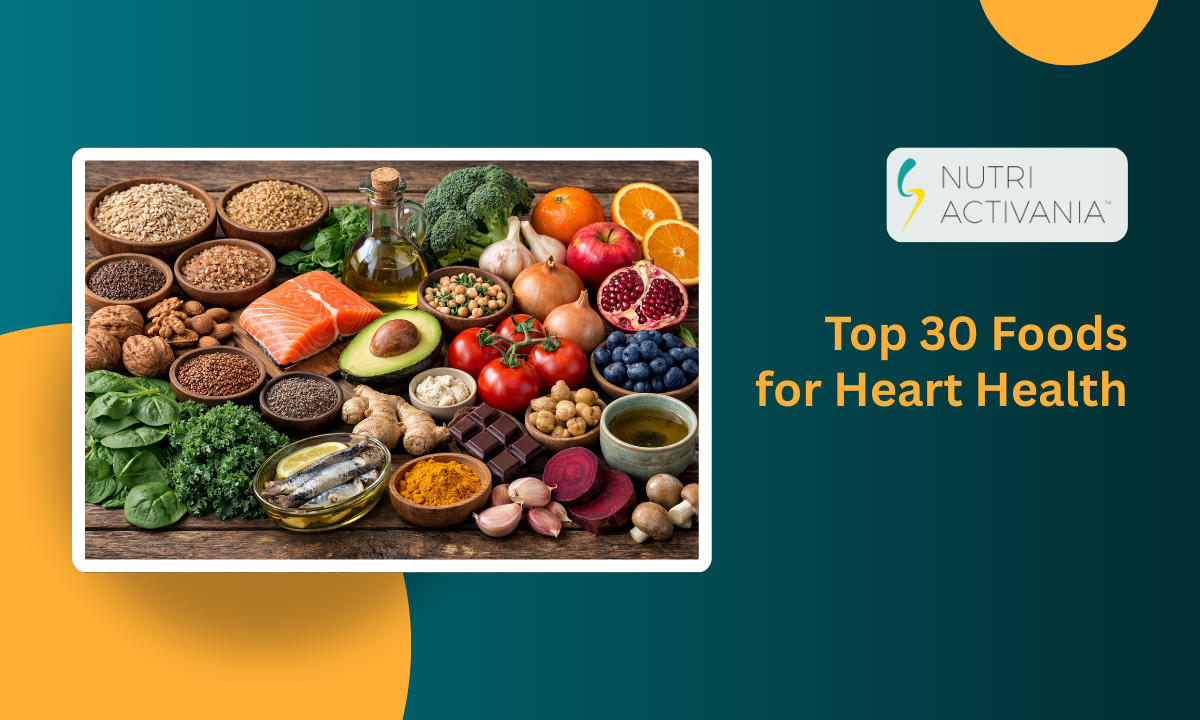
Heart Healthy Foods List by clinical nutritionist at Nutriactivania, I’ve spent years working closely with clients across age groups, stress levels, and medical histories. Many of them walk into my clinic believing heart health is complicated, restrictive, or expensive. It isn’t. With the right food choices and mindful eating habits, protecting your heart can become a natural part of everyday life.
As a dietician in Delhi, I see firsthand how urban lifestyles affect cardiovascular wellness—and how food can reverse much of that damage. This heart-healthy foods list is not copied from textbooks. It’s built from practical experience, client results, and evidence-based nutrition science that I use daily in my consultations.
Why Heart Healthy Foods List Begins on Your Plate
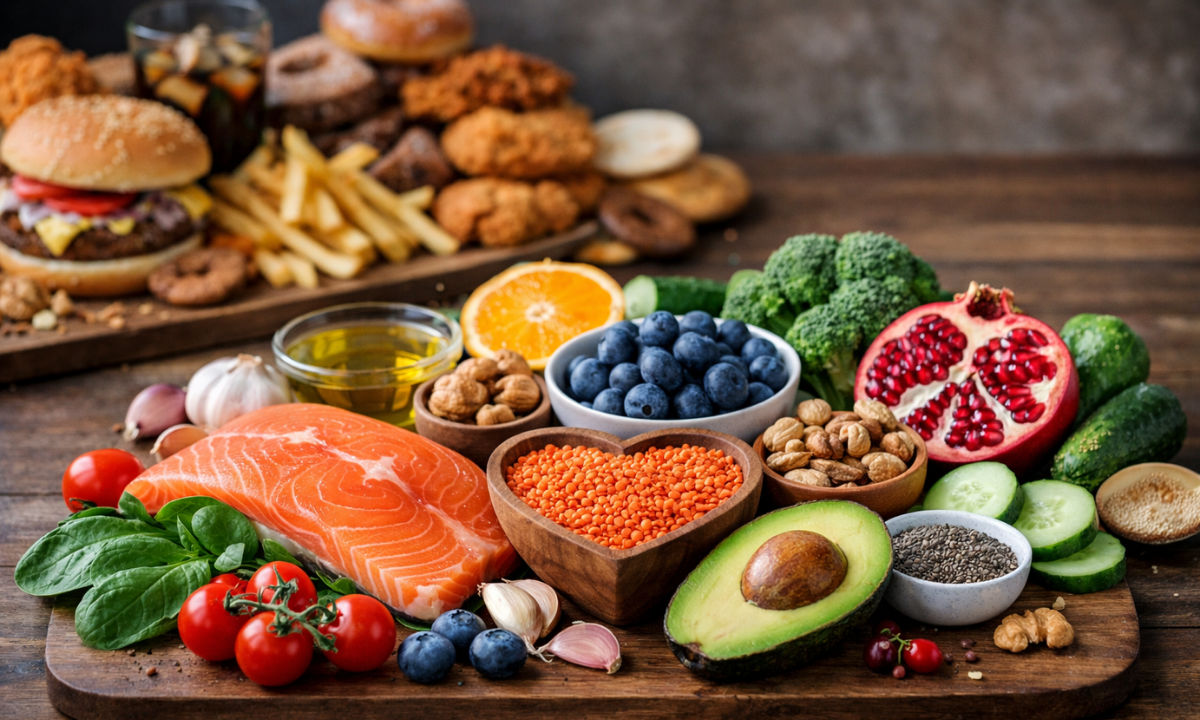
Your heart works tirelessly—beating over 100,000 times a day. What you eat directly impacts blood pressure, cholesterol balance, inflammation, and arterial health. Highly processed foods, excess sugar, and unhealthy fats silently strain the cardiovascular system. On the other hand, whole, nutrient-dense Heart Healthy Foods List nourish the heart at a cellular level.
At Nutriactivania, we don’t believe in fear-based dieting. We believe in informed choices, personalization, and consistency.
Top 30 Heart-Healthy Foods List That Truly Support Heart Health
Below is a carefully curated list I often recommend in practice. Each food plays a specific role in cardiovascular protection.
1. Oats
Rich in soluble fiber that helps reduce LDL cholesterol naturally.
2. Barley
Improves lipid profile and stabilizes blood sugar levels.
3. Brown Rice
A complex carbohydrate that supports steady energy and vascular health.
4. Walnuts
Contain omega-3 fatty acids that reduce inflammation.
5. Almonds
Support healthy cholesterol ratios when eaten in moderation.
6. Flaxseeds
Promote arterial flexibility and digestive health.
7. Chia Seeds
Many clients ask me about chia seeds for heart health, and rightly so—they are rich in fiber, plant omega-3s, and antioxidants.
8. Spinach
Packed with nitrates that help improve blood flow.
9. Kale
Supports detoxification pathways and reduces oxidative stress.
10. Broccoli
Contains sulforaphane, known to protect blood vessels.
11. Tomatoes
High in lycopene, linked to reduced heart disease risk.
12. Garlic
Helps regulate blood pressure naturally.
13. Onions
Support circulation and reduce inflammation.
14. Blueberries
Improve endothelial function and fight oxidative damage.
15. Oranges
Clients often ask which fruit is best for heart health—citrus fruits like oranges are excellent due to flavonoids and vitamin C.
16. Apples
Support the gut-heart connection through soluble fiber.
17. Pomegranate
Improves arterial health and blood flow.
18. Avocado
A source of monounsaturated fats—often recommended as a good oil for heart health alternative when mashed or used fresh.
19. Olive Oil
Cold-pressed varieties support healthy lipid balance.
20. Fatty Fish
Such as salmon and sardines, rich in EPA and DHA.
21. Lentils
Plant protein that lowers cholesterol without stressing the kidneys.
22. Chickpeas
Support satiety and blood sugar control.
23. Kidney Beans
Improve insulin sensitivity and heart health.
24. Low-Fat Curd
Supports gut bacteria, indirectly aiding lipid metabolism.
25. Green Tea
Contains catechins that support vascular function.
26. Dark Chocolate (70%+)
Improves nitric oxide production when eaten mindfully.
27. Turmeric
Reduces chronic inflammation linked to heart disease.
28. Ginger
Improves circulation and digestion—useful among Heart Healthy Foods List to help heartburn as well.
29. Beets
Support nitric oxide production and blood pressure control.
30. Mushrooms
Low-calorie, potassium-rich Heart Healthy Foods List that support blood pressure balance.
Personalized Nutrition Matters More Than Any List

While lists are helpful, heart health is never one-size-fits-all. Genetics, stress, sleep, medications, and gut health all influence outcomes. This is why many people now prefer a dietician consultation online, especially when managing cholesterol, hypertension, or post-cardiac recovery.
In my practice, I also work closely with individuals referred by cardiologists looking for a cardiac dietician in Delhi who understands both medical reports and real-life food habits.
Final Thoughts
Heart health isn’t about perfection—it’s about daily intention. When you choose Heart-Healthy Foods List that nourish your body, you’re choosing energy, longevity, and independence. At Nutriactivania, my goal is to simplify nutrition without diluting science. Whether you’re managing risk factors or simply want to age well, the right guidance makes all the difference. If you’re seeking sustainable, realistic support from a dietician in Delhi, remember that your heart listens to what you feed it—every single day.
FAQs
1. How is Nutriactivania different from generic diet plans?
At Nutriactivania, every plan is personalized based on medical history, lifestyle, emotional eating patterns, and long-term sustainability—not templates.
2. Do you provide nutrition support for heart patients?
Yes. I regularly work with individuals managing cholesterol, blood pressure, post-angioplasty care, and family history of heart disease.
3. Can I consult if I don’t have a diagnosed heart condition?
Absolutely. Preventive nutrition is one of the most powerful tools we offer, especially for working professionals.
4. Are your plans suitable for Indian food preferences?
Yes. All recommendations are culturally appropriate, practical, and aligned with Indian cooking habits.
5. How long does it take to see improvements?
Most clients notice changes in energy, digestion, and lab markers within 4–8 weeks when plans are followed consistently.
6. Is online consultation as effective as in-person?
Yes. With detailed assessments, follow-ups, and accountability, online sessions are highly effective and convenient.