
The connection between what you eat and how your gut functions is more direct than most people realise. Bloating, irregular digestion, low energy, and even skin issues often trace back to an imbalanced gut microbiome. What you snack on between meals plays a significant role in either supporting or disrupting that balance.
Indian cuisine has always been rich in gut-friendly ingredients, fermented foods, fibre-dense legumes, probiotic-rich dairy, and spices that support digestive health. If you are looking to improve your digestion through everyday food choices, working with the best dietician for gut health in Delhi at Nutri Activania can help you build a plan personalised to your specific symptoms and needs. Here are 10 Indian snacks to get you started.
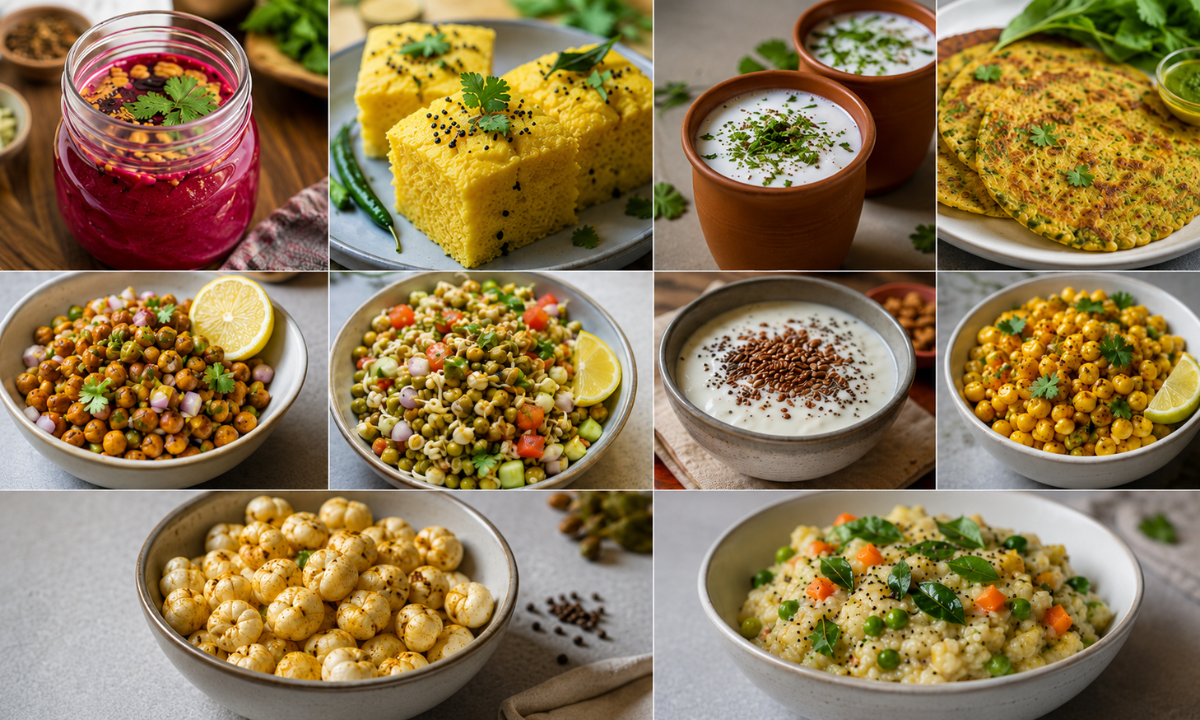
1. Homemade Kanji (Fermented Carrot Drink)
Kanji is a traditional North Indian fermented drink made from black carrots, mustard seeds, and water. It is one of the most potent natural probiotic foods in Indian cuisine, rich in live cultures that directly replenish beneficial gut bacteria. A small glass of kanji as a mid-morning snack actively improves microbial diversity in the gut, which is the foundation of long-term digestive health.
2. Dhokla
Like idlis, dhoklas are made from a fermented batter of besan or moong dal. The fermentation process produces natural probiotics that help maintain a healthy balance of bacteria in the gut. It is light, easy to digest, and does not leave you feeling heavy after eating.
Homemade dhokla without the sweet syrup topping is the best version for gut health. Add a tempering of mustard seeds, curry leaves, and green chilli, all of which have their own digestive benefits.
3. Chaas (Buttermilk)
Chaas is one of the most underrated foods for digestive health in Indian culture. Made from curd and water, it is a natural probiotic drink that replenishes beneficial bacteria in the digestive tract, reduces bloating, and soothes the gut lining.
A glass of fresh chaas with roasted jeera, rock salt, and coriander after a meal or as an afternoon snack actively supports digestion. Avoid sweetened or packaged versions entirely. The benefits come from the live cultures in fresh homemade curd.
4. Moong Dal Chilla
Moong dal is one of the most easily digestible legumes and is considered particularly gentle on the digestive system. It is high in both soluble and insoluble fibre, which supports regular bowel movement and feeds beneficial gut bacteria.
A thin moong dal chilla made with grated vegetables like spinach, carrot, or lauki takes less than 10 minutes to prepare and works well as a morning snack or a light evening option. Serve with plain curd for an added probiotic boost.
5. Roasted Chana with Lemon and Herbs
Roasted chana is a classic Indian snack that is genuinely beneficial for the gut. Chickpeas are rich in resistant starch, a type of fibre that passes through the small intestine undigested and feeds the good bacteria in the large intestine. This process is what is referred to as prebiotic activity.
Toss roasted chana with chopped onion, coriander, green chilli, lemon juice, and a pinch of rock salt. The lemon adds a small dose of vitamin C that supports gut lining integrity, while coriander aids digestion naturally.
6. Sprouts Chaat
Sprouting increases the bioavailability of nutrients in legumes and significantly reduces the antinutrients that can cause digestive discomfort. Sprouted moong, chana, or mixed pulses are rich in enzymes that actively support digestion.
A simple sprouts chaat with diced cucumber, tomato, lemon juice, and a pinch of chaat masala is one of the most gut-supportive snacks you can eat. Lightly steam the sprouts if raw sprouts cause bloating for you.
7. Curd with Flaxseeds or Chia Seeds
Plain homemade curd is a natural probiotic and one of the most effective foods for restoring and maintaining a healthy gut flora. Adding a teaspoon of ground flaxseeds or soaked chia seeds takes it further by adding soluble fibre that supports bowel regularity and reduces gut inflammation.
Eat it plain or with a drizzle of honey and a few pieces of low-sugar fruit. Avoid flavoured or store-bought yogurts as they are typically high in sugar, which feeds harmful gut bacteria rather than beneficial ones.
8. Steamed Corn Chaat with Jeera
Corn is a good source of insoluble fibre, which adds bulk to stool and supports regular bowel movement. When steamed rather than fried, it is gentle on the digestive system and easy to prepare.
Toss steamed corn kernels with roasted jeera powder, lemon juice, a pinch of rock salt, and fresh coriander. Jeera, on its own is one of the oldest digestive aids in Indian cooking; it stimulates the production of digestive enzymes and reduces gas and bloating effectively. Keep the portion in a small bowl and avoid adding butter or cheese.
9. Roasted Makhana with Turmeric and Pepper
Makhana, or fox nuts, are low in fat, easy on the digestive system, and contain a good amount of fibre that supports gut motility. Turmeric contains curcumin, a compound with well-documented anti-inflammatory effects on the gut lining. Black pepper improves the absorption of curcumin significantly.
Dry roast makhana with a pinch of turmeric, black pepper, and rock salt. It is one of the simplest snacks to prepare and one of the most gut-friendly combinations available in an Indian kitchen.
10. Oats Upma with Vegetables
Oats are one of the richest sources of beta-glucan, a type of soluble fibre that has strong prebiotic properties. Regular consumption of beta-glucan supports the growth of beneficial gut bacteria, reduces gut inflammation, and improves overall digestive function.
Oats upma made with mustard seeds, curry leaves, and mixed vegetables is far superior to suji upma from a gut health standpoint. Keep the portion to half a cup of dry oats and avoid adding too many starchy vegetables.
Foods That Harm Gut Health
Improving gut health is as much about what you remove as what you add. Many of the most damaging foods for the gut microbiome are ones consumed casually and daily, not as occasional indulgences but as default snacking habits. Over time, these choices quietly erode microbial diversity and gut lining integrity in ways that do not always present as obvious digestive symptoms.
| Food Category | Why It Damages Gut Health |
|---|---|
| Packaged biscuits and namkeen | Refined flour, excess sodium, and preservatives disrupt gut microbiome balance and reduce beneficial bacterial colonies |
| Sugary drinks and packaged juices | High fructose content feeds harmful bacteria and yeast, promoting microbial imbalance |
| Deep-fried foods | Slow digestion, increased gut inflammation, and impaired gut lining over time |
| Processed cheese spreads and flavoured yogurts | Contain emulsifiers and additives that actively reduce microbial diversity despite appearing dairy-based |
| Refined white bread and instant noodles | Strip the gut of fermentable fiber that beneficial bacteria depend on to survive |
| Artificial sweeteners | Alter gut microbiome composition and have been linked to glucose intolerance even in the absence of real sugar |
What makes these foods particularly concerning is not a single consumption event but the cumulative effect of daily exposure. A child or adult eating packaged biscuits at every snack break, washing them down with a flavored drink, is not having an occasional treat; they are consistently depriving their gut microbiome of the diversity it needs to function. The gut does not respond to isolated incidents. It responds to patterns.
When Snacking Is Not Enough
Diet changes help, but chronic gut issues like IBS, SIBO, persistent bloating, or irregular bowel patterns often need a more targeted approach. A dietician in Delhi who specialises in gastrointestinal health can identify your trigger foods, assess your eating patterns, and design a protocol that addresses the root cause rather than just the symptoms.
At Nutri Activania, Dietician Avni Kaul works with clients experiencing a wide range of gut health issues, creating personalised diet plans that are practical, sustainable, and built around Indian food preferences. As the best dietician for South Delhi for gut-related concerns, the focus is always on long-term improvement rather than short-term restriction.
If your gut has been giving you trouble for a while, a consultation is the right first step.