
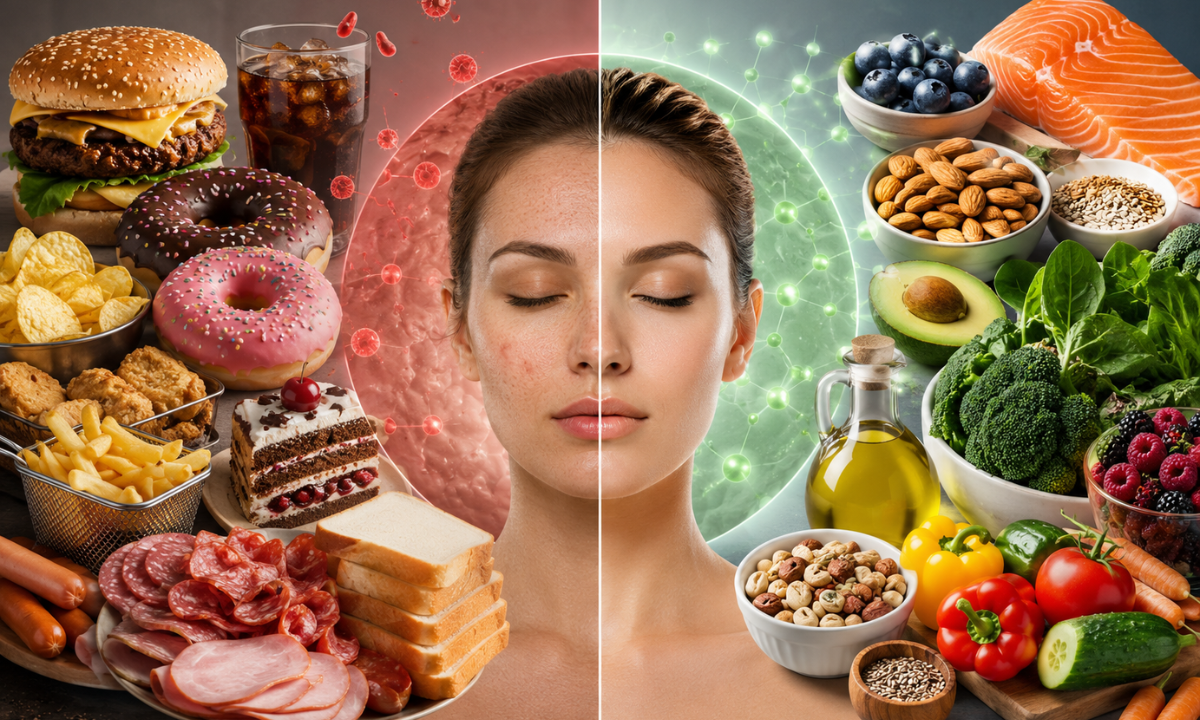
Most people blame their skin problems on pollution, stress, or the wrong face wash. But what if the real reason your skin keeps breaking out, looking dull, or staying irritated is sitting right on your plate?
The food you consume every day directly influences your hormone levels, gut health, blood sugar, and immune response. Each of these systems has a measurable impact on your skin. When the wrong foods disrupt them, the result consistently shows up as inflammation, excess oil, clogged pores, and skin that refuses to clear, regardless of what is applied to it.
At Nutri Activania, one of the most common patterns seen across clients is that better the diet, better the skin. This blog outlines the specific foods that cause skin inflammation, the mechanisms behind them, and the dietary approach that supports genuinely healthy skin from within.
What Is Skin Inflammation?
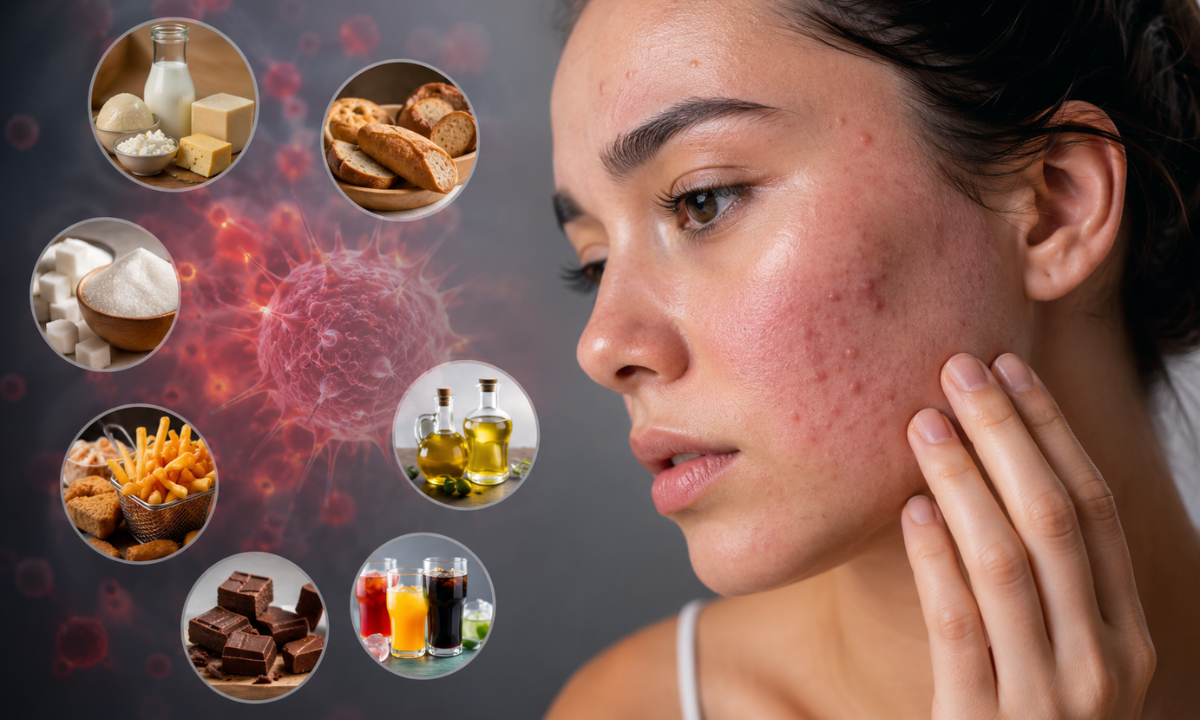
Skin inflammation is the body’s immune response to something it perceives as harmful. In the short term, it is a natural and necessary process. The problem arises when inflammation becomes persistent in a chronic, low-level state where the immune system is constantly activated without a clear threat.
This kind of chronic inflammation does not always feel painful. It shows up silently as recurring acne, redness that does not go away, an uneven skin tone, persistent oiliness, or skin that ages faster than it should. Many people spend years treating these symptoms on the surface without ever addressing the dietary triggers underneath.
Understanding which foods cause skin inflammation is the first step toward skin that actually responds to care.
Foods That Are Quietly Inflaming Your Skin
1. Refined Sugar and High-Glycaemic Foods

Refined sugar is the most significant dietary driver of skin inflammation, and it is present in nearly every processed food available today.
When you consume high-glycaemic foods, such as white bread, maida-based rotis and snacks, biscuits, packaged fruit juices, cold drinks, sweets, and white rice, your blood sugar rises sharply and rapidly. The body responds by releasing insulin. Elevated insulin levels directly stimulate the skin’s oil glands, increasing sebum production, clogging pores, and triggering the inflammatory response that results in acne.
Beyond acne, there is a second mechanism at work called glycation. Excess sugar molecules in the bloodstream attach to collagen and elastin, the structural proteins that keep skin firm, smooth, and elastic and break them down. The result is skin that loses its texture, develops fine lines earlier, and takes on a dull, tired appearance over time. This process is irreversible once it occurs, which is why managing sugar intake early matters more than most people realise.
2. Dairy Products
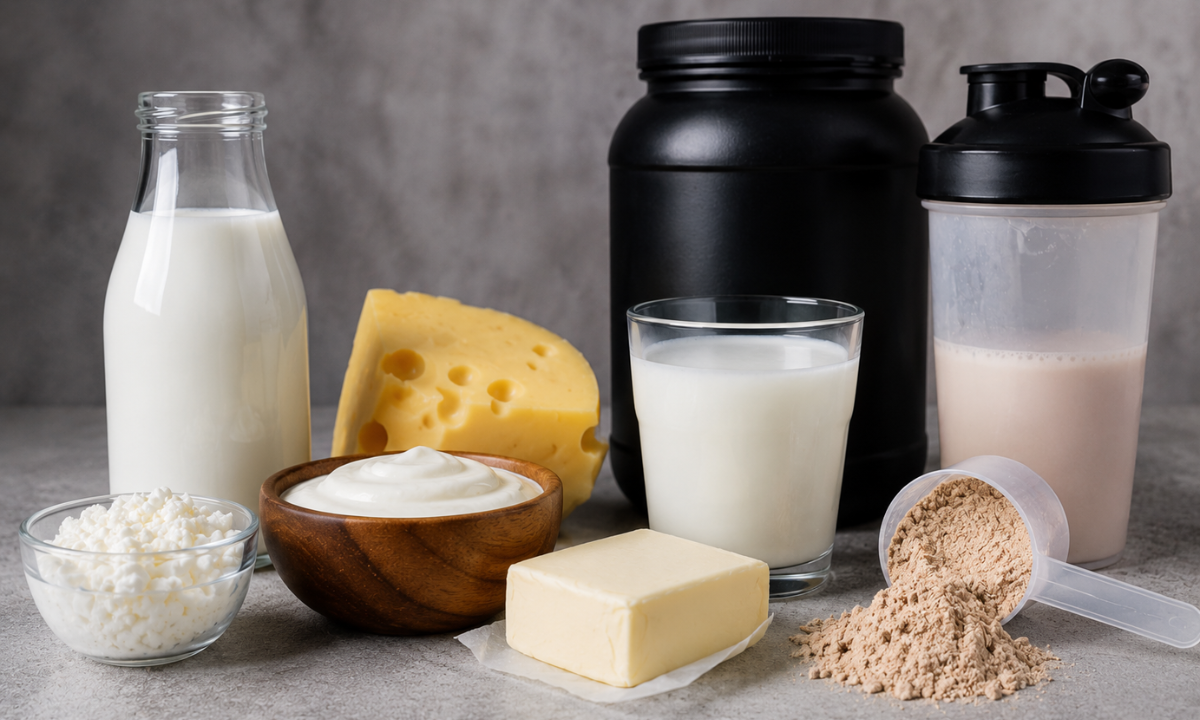
Dairy is one of the more nuanced contributors to skin inflammation because the connection is not universal; it affects some people significantly and others not at all. However, for those who are sensitive, the impact is considerable.
Cow’s milk contains natural hormones along with proteins called whey and casein. When these proteins are digested, they stimulate the body to produce IGF-1, a growth hormone that increases oil production in the skin and has a direct link to acne formation. Skimmed and toned milk tends to be more problematic than full-fat milk because removing the fat concentrates the proteins and produces a sharper insulin response.
Whey protein supplements, widely used among gym-goers, carry the same risk in a more concentrated form and are frequently overlooked as a trigger in people who exercise regularly but cannot clear their skin.
3. Fried and Ultra-Processed Foods

Fried snacks, packaged namkeens, instant noodles, fast food, processed meats, and ready-to-eat meals are consistently high in refined carbohydrates, trans fats, saturated fats, sodium, and artificial additives. Each of these independently promotes systemic inflammation. Combined in a single meal, the effect on the skin is compounded.
Trans fats are particularly damaging. They activate inflammatory signalling pathways in the skin, disrupt the natural fatty acid composition of sebum, and worsen existing inflammatory skin conditions, including acne, eczema, and psoriasis. Saturated fats, especially palmitic acid found abundantly in palm oil and animal fats used in frying, trigger the release of inflammatory molecules in skin tissue.
For most people, fried and ultra-processed foods are not occasional indulgences — they are daily habits. And daily exposure to inflammatory triggers leads to chronic inflammatory skin conditions.
4. Refined Vegetable Oils
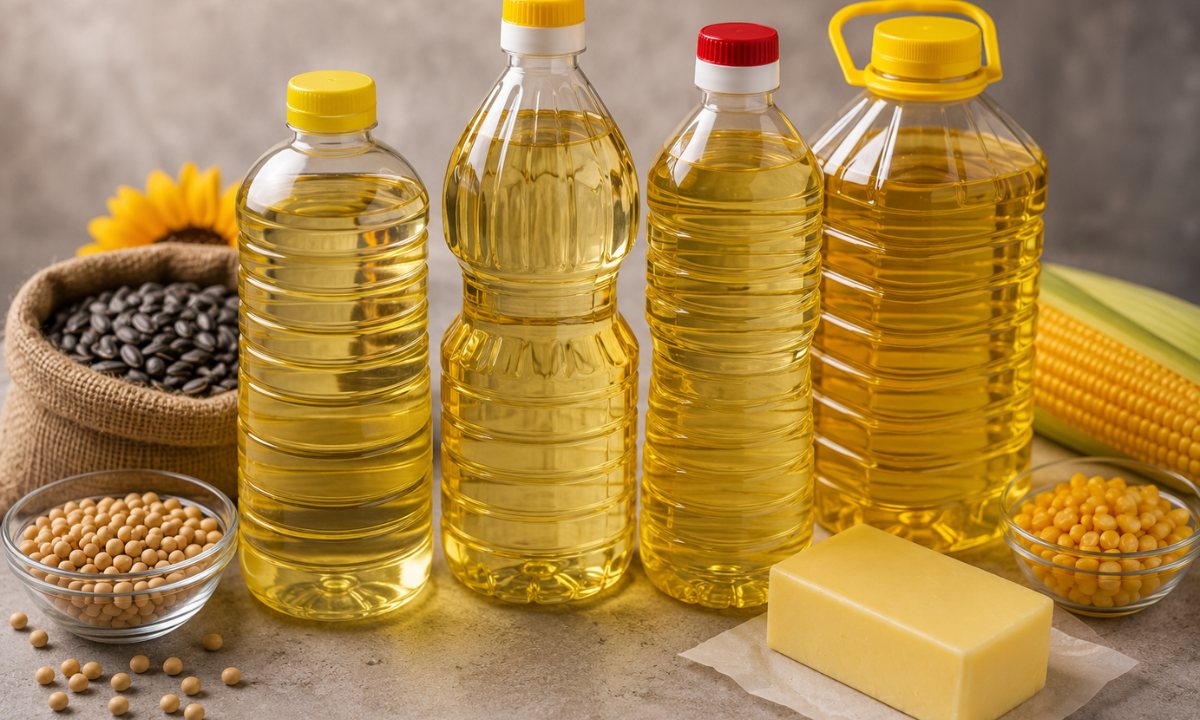
Refined sunflower oil, soybean oil, corn oil, and vanaspati – the cooking oils most commonly used in Indian households and commercial kitchens are extremely high in omega-6 fatty acids.
Omega-6 is not harmful in itself. The problem is the ratio. A healthy diet maintains a balance between omega-6 and omega-3 fatty acids. The modern Indian diet, heavily reliant on refined oils and processed food, delivers omega-6 in quantities far exceeding what the body needs, with little omega-3 to counterbalance it. This imbalance sustains a pro-inflammatory state throughout the body, and the skin reflects it through persistent breakouts, redness, and slow healing.
Switching to cold-pressed oils and regularly including omega-3 sources in the diet is one of the most impactful and underutilised dietary changes for skin health.
5. Excess Salt and Packaged Snacks
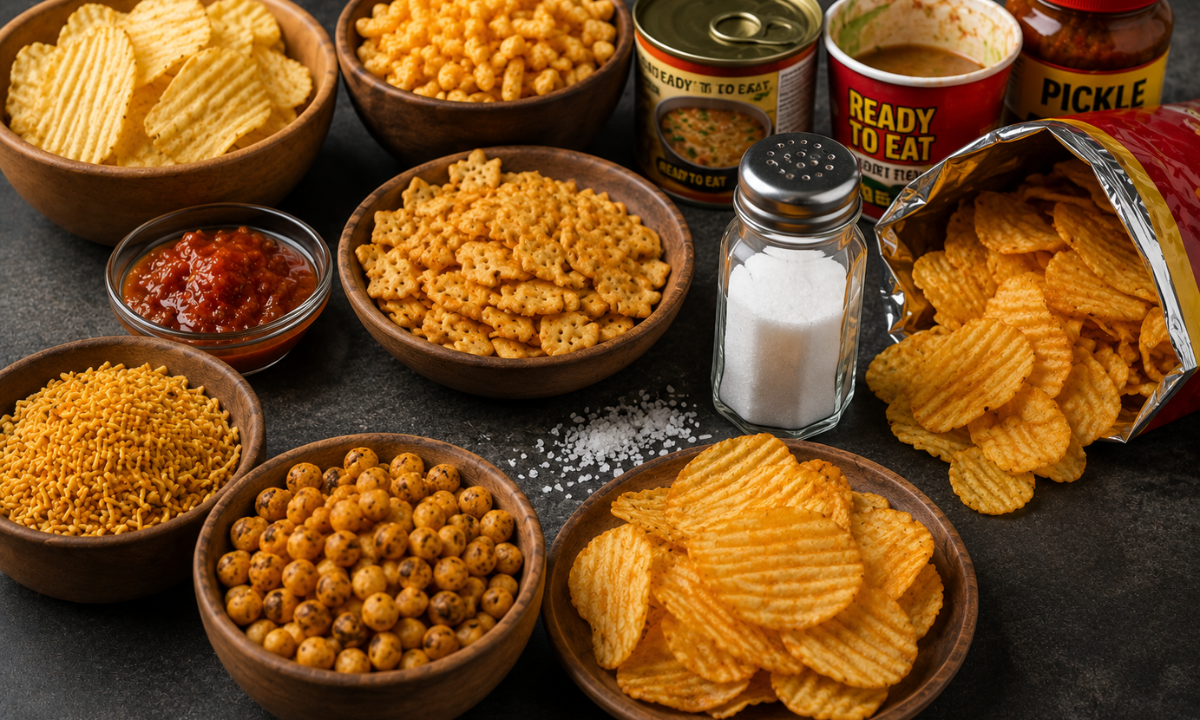
Sodium in excess causes the body to retain water. This retained water leads to puffiness, especially around the eyes and face, and creates pressure on the skin’s structure. High sodium intake is also associated with disrupted skin hydration — the skin appears dehydrated on the surface even while the body retains fluid internally.
Most of the excess sodium in the modern diet does not come from the salt added at the table. It comes from packaged snacks, instant soups, pickles, processed condiments, and ready meals, where sodium levels are extremely high and largely invisible.
6. Alcohol

Alcohol is a direct skin inflammatory. It dehydrates the body at a cellular level, depletes the skin of key nutrients including vitamin A, vitamin C, and zinc, and significantly disrupts the gut microbiome, the community of bacteria in the digestive system that plays a central role in regulating immune function and inflammation.
When the gut microbiome is disrupted by alcohol, the intestinal lining becomes more permeable. Inflammatory compounds that would otherwise be filtered out enter the bloodstream and eventually reach the skin. The visible consequences are increased redness, puffiness, more frequent breakouts, and a complexion that looks consistently tired and uneven, even with adequate sleep.
7. Gluten-Containing Foods (For Sensitive Individuals
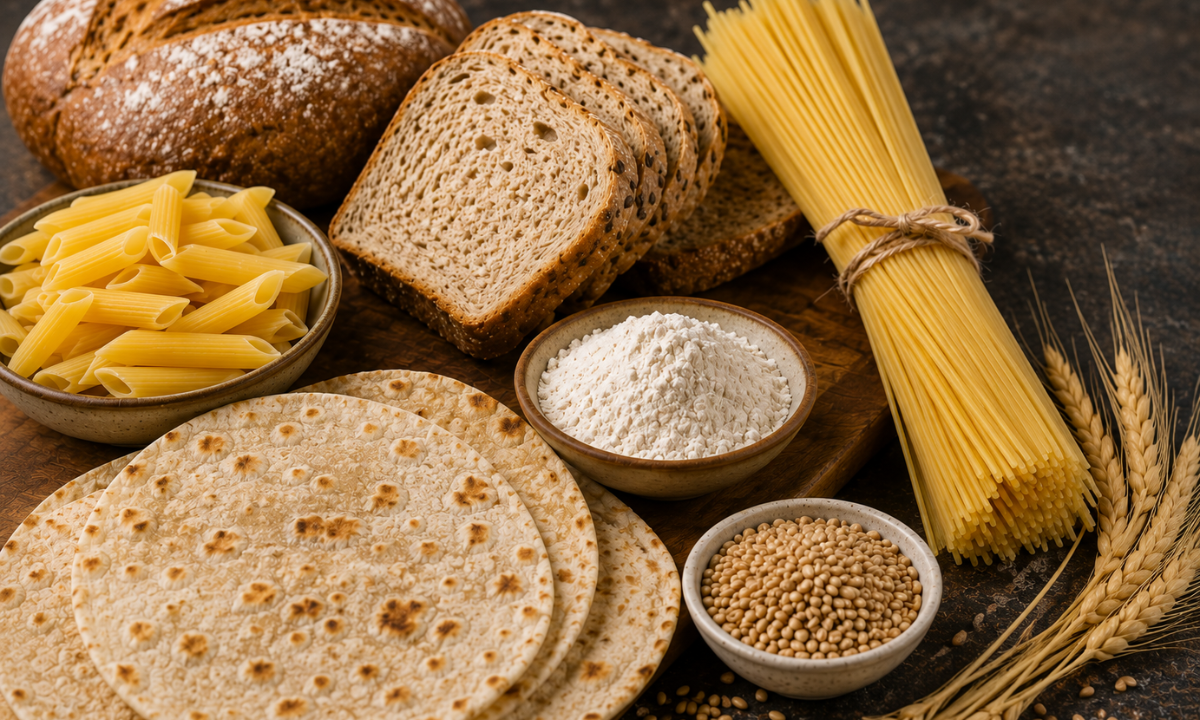
For individuals with gluten sensitivity or undiagnosed celiac disease, foods containing gluten, wheat, barley, rye, and most commercial breads and pastas can trigger a significant inflammatory response that manifests on the skin as rashes, acne, or worsening of existing conditions like psoriasis and eczema.
While gluten is not a problem for the general population, it is worth evaluating for individuals whose skin does not improve despite addressing other dietary factors. A qualified dietitian for skincare in Delhi can assess whether gluten sensitivity may be contributing to ongoing skin inflammation.
What to Eat Instead – An Anti-Inflammatory Approach
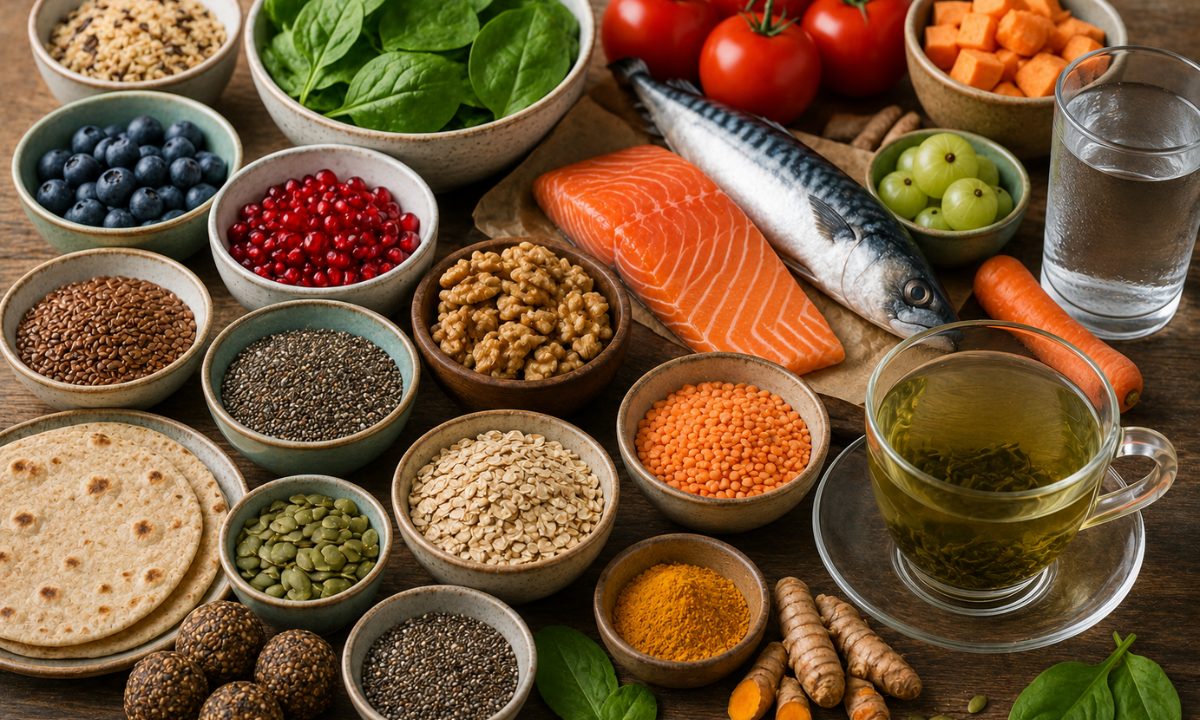
Identifying inflammatory foods is only half the equation. Replacing them with anti-inflammatory alternatives is what produces visible, lasting change in skin health.
Whole grains over refined grains – Ragi, bajra, jowar, oats, and brown rice cause a slower, more stable rise in blood sugar compared to their refined counterparts. This reduces the insulin-driven inflammatory response that leads to acne and oil overproduction.
Omega-3-rich foods – Flaxseeds, chia seeds, walnuts, and fatty fish such as salmon and mackerel directly counter the pro-inflammatory effect of excess omega-6 in the diet. Even small, regular quantities make a measurable difference over time.
Colourful fruits and vegetables – Tomatoes, spinach, carrots, sweet potatoes, amla, blueberries, and pomegranate are rich in antioxidants that neutralise the free radicals responsible for collagen breakdown and inflammatory skin damage.
Zinc-rich foods – Pumpkin seeds, lentils, chickpeas, and whole grains support skin repair, regulate oil gland activity, and help reduce acne formation. Zinc deficiency is more common than most people realise and directly worsens inflammatory skin conditions.
Turmeric – Curcumin, the active compound in turmeric, is one of the most well-researched natural anti-inflammatory agents. Regular inclusion in cooking — not just as a supplement- supports a measurable reduction in inflammatory markers.
Green tea – Rich in polyphenols, green tea reduces systemic inflammation, protects against collagen degradation, and supports the skin barrier. Replacing one or two daily cups of sugary chai with green tea is a simple, impactful dietary switch.
Water – Adequate hydration maintains the skin’s barrier function, supports the elimination of inflammatory waste products through the lymphatic system, and prevents the dry, irritated skin that worsens with dehydration.
When to Consult a Dietician for Skin Health
If your skin has been persistently inflamed, breaking out, or not responding to topical treatments, the underlying cause is often dietary. Working with the best dietitian in India for skin and hormonal health means receiving a personalised dietary assessment that identifies your specific inflammatory triggers and builds a structured nutrition plan around your lifestyle, food preferences, and health goals.
At Nutri Activania, skin health is approached from the inside out. Because products treat the surface nutrition treats the root cause.
Frequently Asked Questions
How quickly does dietary change improve skin?
Most individuals notice a visible improvement in skin texture, oiliness, and breakout frequency within four to eight weeks of consistent dietary changes. Results vary depending on the severity of existing inflammation and individual metabolic factors.
Do I need to eliminate all the foods mentioned above?
Complete elimination is rarely necessary or sustainable. The goal is informed reduction, identifying your personal triggers and making consistent, practical adjustments. A qualified dietitian for skincare in Delhi will help you build a plan that is both effective and realistic.
Can skin inflammation be fully reversed through diet?
In many cases, yes, particularly when the primary triggers are dietary. Chronic inflammatory conditions with a genetic component may require medical management alongside dietary intervention. Early action consistently produces better outcomes.
Conclusion
Skin inflammation rarely has a single cause. But in the majority of cases, diet plays a central and underestimated role. The foods causing the most damage are often the ones consumed most regularly: refined sugars, dairy, fried snacks, refined oils, and processed convenience foods that have become staples of everyday eating.
The path to better skin is not about expensive products or restrictive diets. It is about understanding which foods are working against your skin and replacing them systematically with choices that support it. With the right nutritional guidance, what your skin is capable of may surprise you.
