
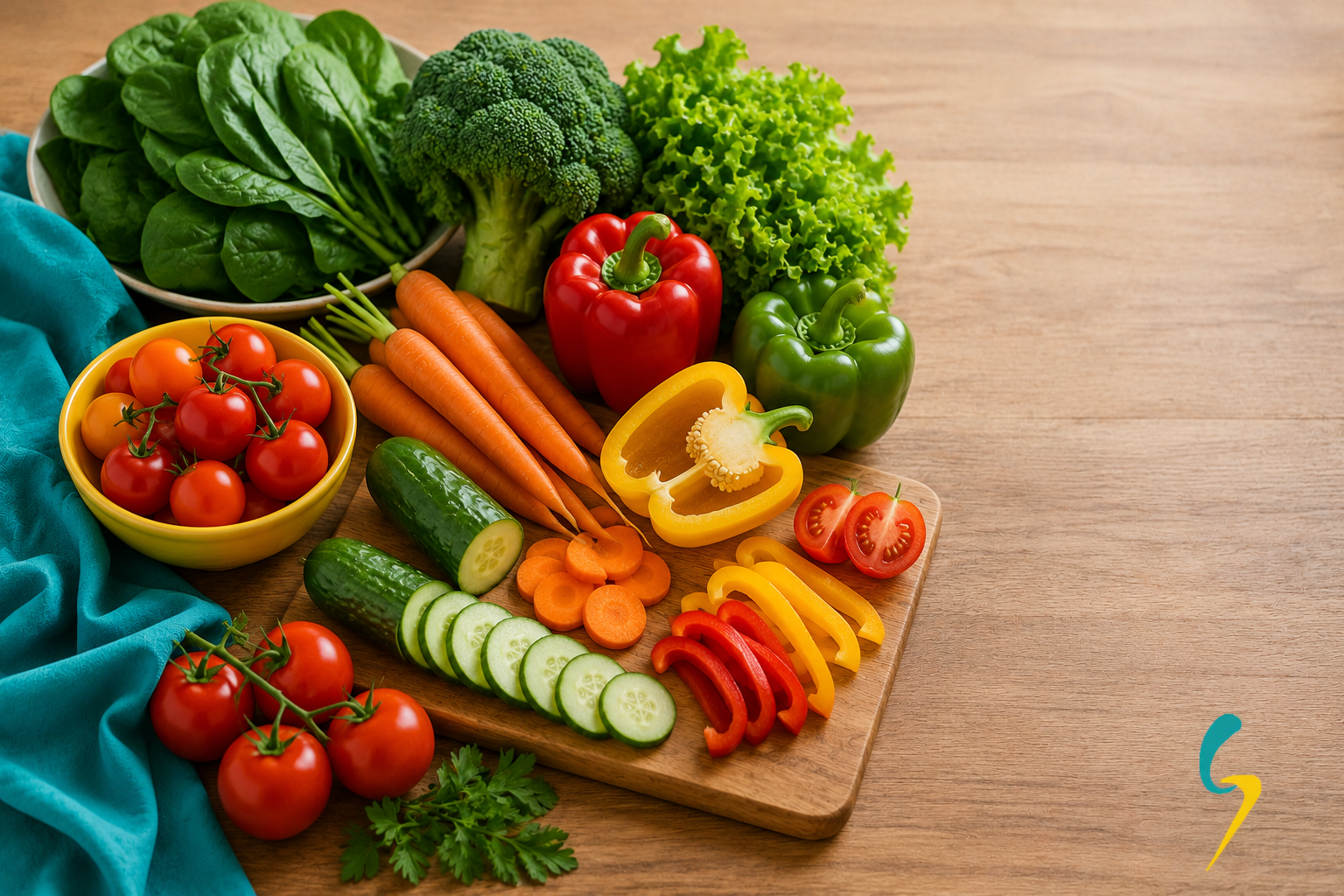
The best vegetables for weight loss are typically those low in calories but high in fibre and water content, allowing you to eat a genuinely satisfying volume of food without a correspondingly high calorie count. Avni Kaul, a dietician in Delhi, regularly builds weight loss meal plans around vegetables precisely because they offer this kind of volume-to-calorie advantage better than almost any other food group, making meals feel complete without working against the calorie goal.
Vegetables tend to get less attention than protein or carbohydrates in weight loss conversations, largely because they are assumed to be an obvious, uncontroversial “eat more of these” category. That assumption is broadly correct, but it misses something useful: not all vegetables offer the same benefit, and understanding which ones do the most work makes it easier to build meals that are genuinely filling rather than just technically healthy.
Why Vegetables Matter So Much for Weight Loss
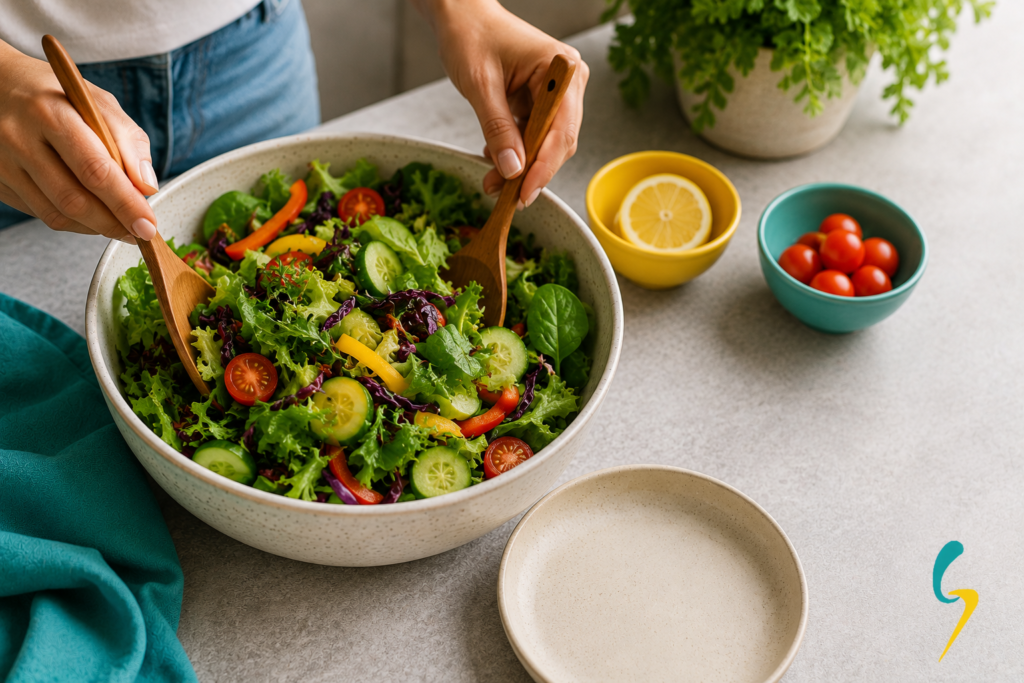
The core advantage vegetables offer is volume without excess calories. Most non-starchy vegetables are made up largely of water and fibre, meaning you can eat a substantial portion, filling a meaningful part of the plate, for relatively few calories. This matters because fullness is driven as much by the volume and weight of food in the stomach as by calorie content alone.
Vegetables support weight loss in several specific ways:
- High fibre content slows digestion, supporting fullness for longer after a meal
- Low calorie density allows for large portions without a large calorie cost
- Water content adds to meal volume and hydration simultaneously
- Nutrient density supports overall health during a calorie-restricted diet
- Many vegetables have a naturally low glycaemic impact, supporting more stable blood sugar and energy levels
This combination is difficult to replicate with any other food group, which is why vegetables tend to form the foundation of most well-structured weight loss plans, rather than an afterthought alongside protein and carbohydrates.
Vegetables That Offer the Most Weight Loss Benefit
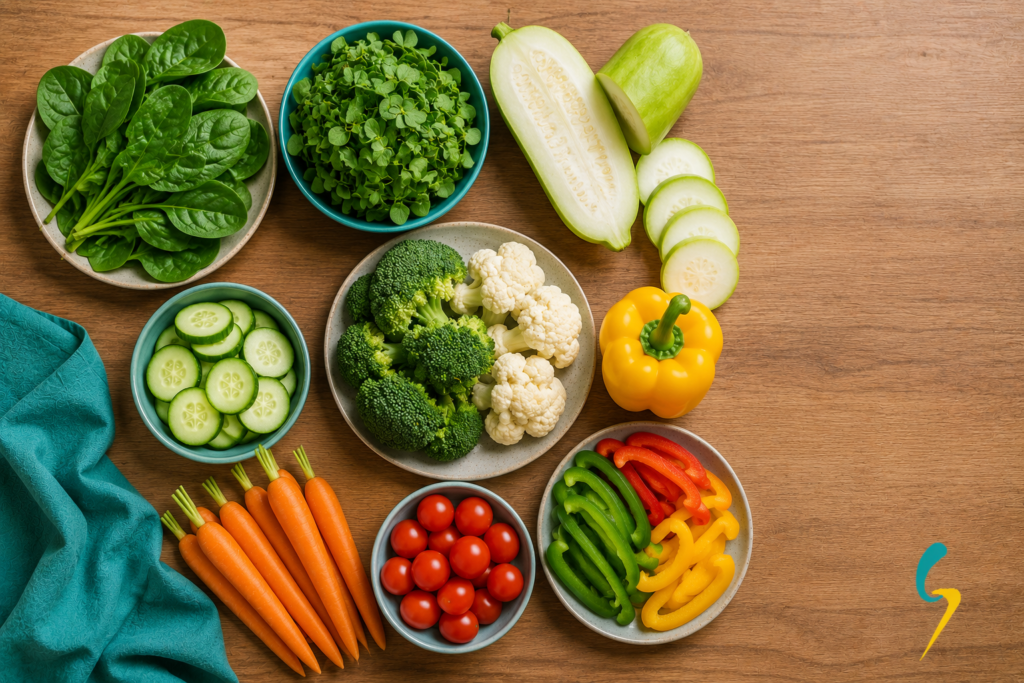
Leafy greens. Spinach, methi (fenugreek leaves), and other leafy greens are extremely low in calories while offering substantial fibre and nutrients, making them one of the most efficient additions to any meal.
Cucumber. Almost entirely water, cucumber adds volume and crunch to meals with minimal calorie cost, useful in salads or as a filling snack on its own.
Bottle gourd (lauki). A staple in many Indian weight loss diets, bottle gourd is low in calories and high in water content, working well in both cooked dishes and soups.
Broccoli and cauliflower. Both offer good fibre content and enough substance to feel satisfying in a meal, while remaining low in calories relative to their volume.
Bell peppers (capsicum). Low in calories with a satisfying crunch, bell peppers work well raw or cooked and add flavour without significant calorie cost.
Tomatoes. Low in calories and versatile across cuisines, tomatoes add volume and flavour to meals with minimal calorie impact.
Carrots. Slightly higher in natural sugar than some vegetables on this list, but still low in overall calories and high in fibre, making them a reasonable, filling addition in normal portions.
Starchy Vegetables Worth Portioning Carefully
These vegetables are not something to avoid, but they behave differently to the ones above and benefit from more deliberate portion awareness within a weight loss diet.
- Potatoes, which are considerably higher in calories and carbohydrate content than non-starchy vegetables, and worth treating more like a carbohydrate serving than an unlimited vegetable
- Sweet potatoes, similarly calorie-dense, though offering more fibre than regular potatoes, still best portioned deliberately
- Peas, higher in both calories and carbohydrate content than most vegetables on this list, useful in moderate amounts rather than large servings
- Corn, which behaves more like a grain than a typical vegetable in terms of calorie and carbohydrate content
None of these need to disappear from a weight loss diet. They simply work better treated as a measured carbohydrate portion, similar to rice or roti, rather than eaten in unlimited amounts the way leafy greens or cucumber can be.
How to Build Vegetables Into a Weight Loss Diet Effectively
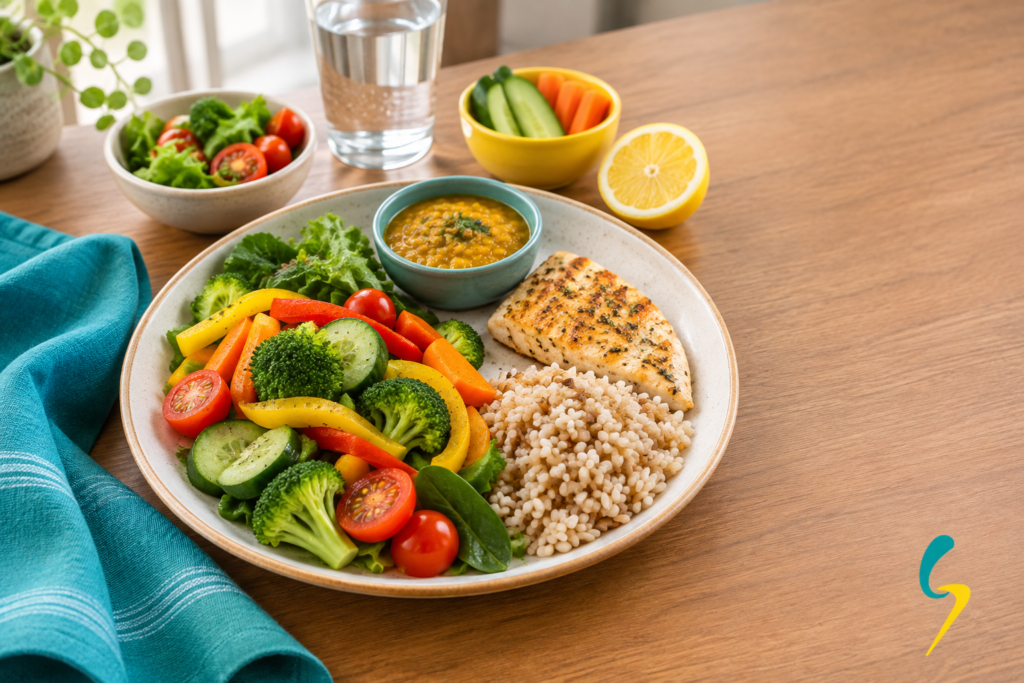
Fill half the plate with non-starchy vegetables. This single habit does more for weight loss than almost any other single dietary change, since it naturally displaces higher-calorie foods without requiring strict calorie counting for every meal.
Cook with minimal oil. Vegetables lose much of their calorie advantage when deep-fried or cooked in excessive oil, so lighter cooking methods, steaming, sautéing with minimal oil, or grilling, preserve the benefit.
Add vegetables to dishes you already eat. Rather than treating vegetables as a separate side, adding them into dals, curries, and rice dishes increases volume and fibre without requiring an entirely new set of recipes.
Keep prepared vegetables accessible for snacking. Cut vegetables like cucumber, carrots, and bell peppers, ready to eat, make it easier to reach for a low-calorie option when hunger strikes between meals.
Balance starchy vegetables like a carbohydrate, not an unlimited food. Treating potatoes, corn, and peas with the same portion awareness as rice or roti helps maintain the overall calorie balance of the meal.
Who Should Pay Particular Attention to Vegetable Choices
- People following a structured weight loss or fat loss program, where vegetable volume can meaningfully support calorie goals
- People managing diabetes or insulin resistance, where the glycaemic difference between starchy and non-starchy vegetables matters more directly
- People who currently eat few vegetables and want a practical starting point for adding them into existing meals
- People who eat vegetables regularly but have not distinguished between starchy and non-starchy options in their portion planning
Why Work With Avni Kaul on Vegetable and Overall Diet Choices

Avni Kaul is a Gold Medallist from the University of Delhi and received the Best Dietician Award in 2019. Her approach to weight loss uses vegetables as a foundational tool for building filling, satisfying meals within a calorie-conscious plan, guiding clients on which vegetables and preparation methods best support their specific goals, whether general weight loss, diabetes management, or another underlying health consideration.
Conclusion
Vegetables offer one of the most effective, sustainable tools available for weight loss: genuine fullness without a heavy calorie cost. Filling half the plate with non-starchy vegetables like leafy greens, cucumber, and bottle gourd, while portioning starchier options like potatoes and corn more deliberately, is a simple, repeatable habit that supports weight loss without requiring constant calorie counting. Combined with the right cooking methods, this approach turns vegetables into one of the most reliable parts of a sustainable weight loss diet.
Frequently Asked Questions
Are all vegetables equally good for weight loss?
No. Non-starchy vegetables like leafy greens, cucumber, and bottle gourd offer the best volume-to-calorie ratio, while starchy vegetables like potatoes and corn are more calorie-dense and benefit from more careful portioning.
How does cooking method affect the weight loss benefit of vegetables?
Significantly. Deep-frying or cooking in excessive oil adds substantial calories, reducing the natural advantage vegetables offer. Steaming, sautéing with minimal oil, or grilling preserves the benefit better.
Can eating more vegetables alone lead to weight loss?
Filling more of the plate with non-starchy vegetables often supports weight loss by displacing higher-calorie foods and increasing fullness, though it works best as part of a broader, balanced diet rather than the sole strategy.
Are starchy vegetables like potatoes bad for weight loss?
Not inherently, but they are more calorie-dense than non-starchy vegetables and are best portioned similarly to a carbohydrate serving like rice or roti, rather than eaten without limit.
How many servings of vegetables are recommended per day for weight loss?
This varies by individual calorie needs, though filling roughly half the plate with non-starchy vegetables at main meals is a practical general guideline.
Do frozen vegetables offer the same weight loss benefit as fresh ones?
Generally, yes. Frozen vegetables retain most of their fibre and nutrient content and can be a convenient, accessible option for maintaining consistent vegetable intake.