

An HbA1c improvement nutrition program is a structured diet plan built specifically around lowering HbA1c, the blood test that reflects average blood sugar levels over the past two to three months, rather than reacting to a single day’s glucose reading. Avni Kaul, a dietician in Delhi, designs these programs for patients whose HbA1c results are higher than their target range, using the number itself as the starting point and the measure of progress throughout.
HbA1c tends to carry more weight, and more anxiety, than any other diabetes-related number. Unlike a daily glucose reading, it cannot be improved overnight, which is exactly why it matters: it reflects a genuine average, not a good or bad day. That also means a nutrition program built around HbA1c has to think in months, not days, and needs a clear, trackable structure rather than general advice to “eat better” until the next test.
What HbA1c Actually Measures, and Why It Matters More Than a Single Reading
HbA1c measures the percentage of haemoglobin in the blood that has glucose attached to it, which builds up in proportion to average blood sugar levels over roughly the previous two to three months. This is what makes it more useful than a single fasting glucose reading. A patient could have a normal glucose reading on the morning of a test while still running high most other days, and HbA1c catches that pattern in a way a single test cannot.
For most non-diabetic adults, HbA1c sits below 5.7%. Between 5.7% and 6.4% typically indicates prediabetes, while 6.5% or above generally confirms a diabetes diagnosis. For patients already diagnosed, treatment targets are usually set individually with a physician, though below 7% is a common general target. An HbA1c improvement program works toward whichever target has been set, using diet as the primary lever for movement between tests.
Why Diet Has Such a Direct Effect on HbA1c
Since HbA1c reflects average blood sugar over months, consistent daily eating patterns matter more here than any single meal. A nutrition program aimed at HbA1c improvement typically works through several combined mechanisms:
- Reducing the frequency of blood sugar spikes across each day, which lowers the overall average
- Improving insulin sensitivity over time, so the body needs less insulin to manage the same food intake
- Supporting gradual weight loss where relevant, which independently improves glucose control
- Encouraging consistent meal timing, which reduces the wide swings that push the average upward
- Reducing intake of foods with a high glycaemic load, particularly when eaten in large or uncounted portions
Because HbA1c only updates every two to three months, progress is not something a patient can feel day to day in the same way a glucose meter shows immediate feedback. This is part of why a structured program, with a clear plan and a set review point, tends to work better than loosely trying to “eat healthier” without a defined target or timeline.
How an HbA1c Improvement Nutrition Program Is Built

Step 1: Baseline review. The program starts with the most recent HbA1c result, alongside fasting glucose, current medication, and any other relevant blood markers such as cholesterol. This baseline sets the starting point against which all future progress is measured.
Step 2: Identifying the biggest contributors to elevated HbA1c. Rather than making broad changes across the board, the dietician identifies which specific eating patterns are likely contributing most to elevated readings, such as large evening meals, frequent sugary beverages, or inconsistent meal timing.
Step 3: Structuring a plan around those specific patterns. The plan then targets those particular habits directly, rather than imposing a completely new way of eating. This tends to produce faster, more noticeable movement in the next HbA1c result.
Step 4: Building in consistency mechanisms. Since HbA1c reflects an average, consistency matters more than perfection. The plan typically includes practical strategies for maintaining reasonably steady eating patterns even on busy or irregular days.
Step 5: Reviewing against the next HbA1c test. Progress is tracked specifically against the next scheduled HbA1c test, usually three months out, with the plan refined based on the result rather than guessed at in between.
What the Diet Typically Includes
The dietary approach for HbA1c improvement overlaps with general diabetes nutrition, with particular emphasis on consistency and reducing frequent spikes rather than occasional ones.

Generally emphasised:
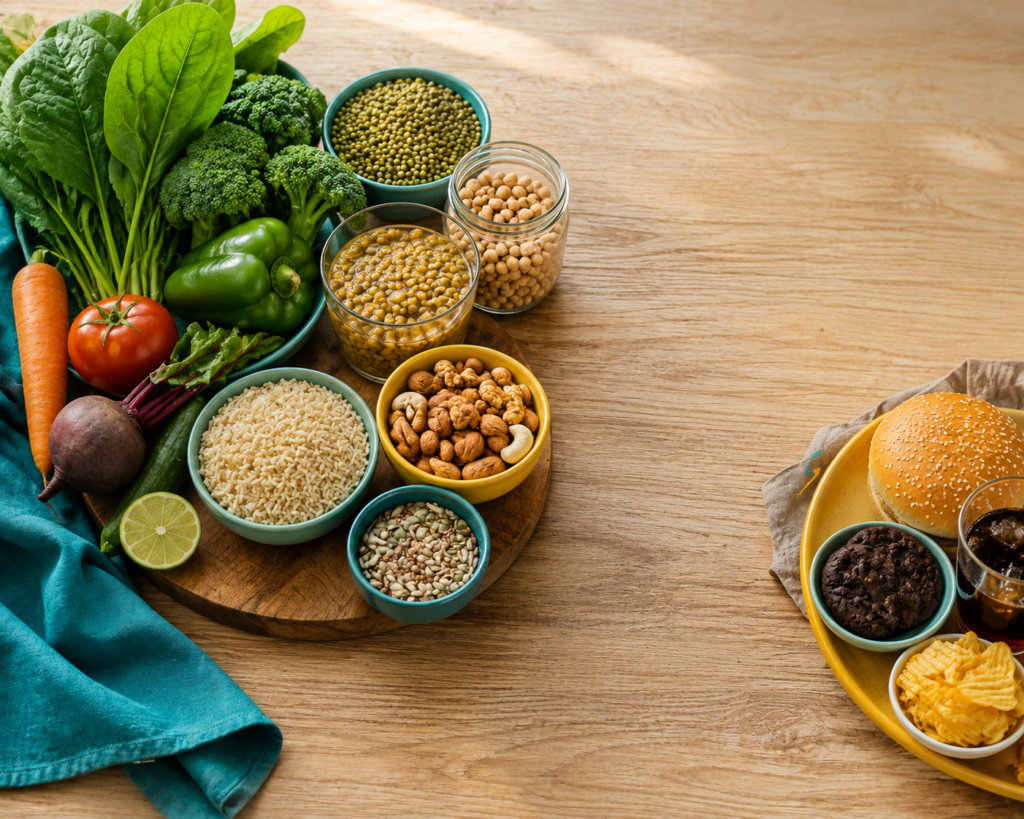
- High-fibre vegetables and legumes, to slow glucose absorption
- Whole grains in place of refined grains, in measured, consistent portions
- Lean protein at each meal, from dal, eggs, paneer, and fish
- Healthy fats from nuts, seeds, and cold-pressed oils
- Low-glycaemic fruits, spaced away from other carbohydrate-heavy meals

Generally reduced:
- Refined carbohydrates and sugary beverages, particularly when consumed daily
- Deep-fried and highly processed foods
- Large, inconsistent portions of white rice or refined flour
- Packaged snacks and sauces with hidden sugar
Portion consistency tends to matter as much as food choice here, since irregular eating, large one day and skipped the next, tends to keep the average higher even when individual food choices look reasonable on paper.
Who Should Consider an HbA1c Improvement Nutrition Program
- People whose recent HbA1c result is higher than their target range
- People whose HbA1c has been rising gradually over successive tests
- People managing type 2 diabetes who want to reduce reliance on higher medication doses
- People with prediabetes-range HbA1c results trying to prevent progression to diabetes
- Anyone told by their doctor to “bring their HbA1c down” without a specific plan for doing so
This last group is common. An HbA1c result outside target range is often flagged during a routine check-up, with general advice attached but no structured plan to act on it before the next test.
Why Choose Avni Kaul for an HbA1c Improvement Nutrition Program
Avni Kaul is a Gold Medallist from the University of Delhi and received the Best Dietician Award in 2019. Her approach to HbA1c improvement focuses on identifying the specific eating patterns most likely driving an elevated result, rather than applying a generic diabetes diet and hoping the number moves. Plans are built around familiar Indian foods, adjusted for consistency and timing, since a plan that is followed consistently for three months tends to move HbA1c more than a stricter plan abandoned after two weeks.
Conclusion
HbA1c does not move quickly, and it does not respond to a single good week. It responds to consistent, sustained changes applied over months, which is exactly what a structured HbA1c improvement nutrition program is built to deliver. By identifying the specific habits most likely driving an elevated result and targeting those directly, patients tend to see more meaningful movement by their next test than general advice alone tends to produce. If a recent HbA1c result came back higher than expected, a structured program gives that number a clear, trackable path back toward target range.
Frequently Asked Questions
How much can HbA1c realistically improve through diet alone?
Many patients see a meaningful reduction, often in the range of 0.5% to 1% or more, over three to six months of consistent dietary changes, though individual results vary based on starting point and other factors.
How often should HbA1c be retested during the program?
HbA1c is typically retested every three months, since this reflects the average blood sugar over that period and gives a fair measure of whether the program is working.
Why did my HbA1c stay high even though my glucose readings looked normal?
HbA1c reflects average blood sugar over two to three months, so occasional normal readings do not necessarily mean the overall average is within range. Consistency matters more than individual test results.
Can HbA1c improvement reduce my need for diabetes medication?
In some cases, yes, particularly with type 2 diabetes. Any changes to medication dosage should be made by the treating physician based on sustained improvement, not adjusted independently.
Does weight loss need to be part of an HbA1c improvement program?
Where relevant, yes. Weight loss, even a modest amount, often supports HbA1c improvement by improving insulin sensitivity, though it is addressed alongside dietary changes rather than as the sole focus.
What is a good HbA1c target to aim for?
Targets vary by individual and are usually set with a treating physician, though below 7% is a common general target for people already diagnosed with diabetes.