
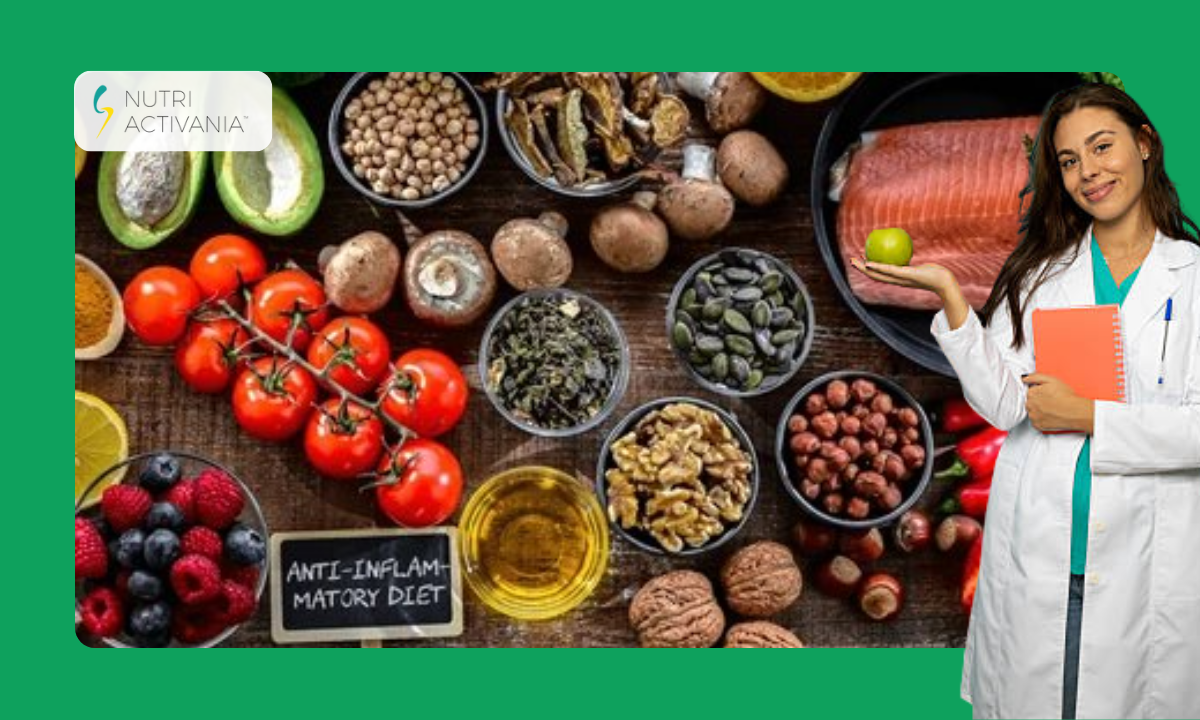
Designing an anti-inflammatory diet requires a deep understanding of how food impacts your body’s inflammatory responses. As a holistic health dietitian in Delhi, I have witnessed countless clients transform their health by making strategic dietary changes that reduce chronic inflammation.
Inflammation is not always your enemy, but when it becomes chronic, it can silently damage your health. What if I told you that the foods on your plate right now could either fuel inflammation or fight it? Let me explain how.
What Is Inflammation
Inflammation is your body’s natural defense mechanism against injury, infection, or harmful substances. When you cut your finger or catch a cold, your immune system triggers an inflammatory response to heal and protect you.
However, when inflammation persists for weeks, months, or years, it transforms into chronic inflammation. This type of inflammation has been linked to numerous health conditions, including heart disease, diabetes, arthritis, and autoimmune disorders.
The food you consume daily plays a crucial role in either promoting or reducing this inflammatory response in your body.
Identifying Inflammatory Foods

Before designing an anti-inflammatory diet plan, I always help my clients understand which inflammatory foods they need to minimize or eliminate from their routine.
Processed and refined foods top this list. White bread, pastries, and sugary cereals cause rapid spikes in blood sugar, triggering inflammatory pathways in your body.
Transfats found in fried foods, margarine, and packaged snacks are particularly harmful. These fats not only promote inflammation but also damage your blood vessels and increase disease risk.
Excessive red meat consumption, especially processed meats like sausages and bacon, contains compounds that can stimulate inflammatory processes when consumed regularly.
Sugary beverages and foods with added sugars create oxidative stress and inflammation throughout your body. Even seemingly healthy fruit juices can be problematic when consumed in large quantities.
Building Your Anti-Inflammatory Diet Food List
As a holistic health dietitian in Delhi, I create personalized anti-inflammatory diet food lists based on each client’s unique health profile, preferences, and lifestyle.
The foundation of any anti-inflammatory diet includes a diverse range of nutrient-dense foods that work synergistically to reduce inflammation in your body.
To help you understand which anti-inflammatory foods to include in your daily meals, I have created this simple reference guide:
| Food Category | Anti-Inflammatory Foods | Key Benefits |
|---|---|---|
| Fruits | Berries, cherries, oranges, apples | Rich in antioxidants and vitamin C |
| Vegetables | Leafy greens, broccoli, tomatoes, bell peppers | High in vitamins and phytonutrients |
| Protein | Fatty fish (salmon, mackerel), tofu, legumes | Omega-3 fatty acids and plant proteins |
| Healthy Fats | Olive oil, avocados, nuts, seeds | Anti-inflammatory fats and vitamin E |
| Whole Grains | Brown rice, quinoa, oats, barley | Fibre that reduces inflammatory markers |
| Herbs & Spices | Turmeric, ginger, garlic, cinnamon | Powerful anti-inflammatory compounds |
I recommend including fatty fish in your diet at least twice weekly to ensure adequate omega-3 intake.
The key is to incorporate a variety of these foods throughout your day, ensuring you receive a broad spectrum of anti-inflammatory nutrients that support your overall health.
Creating a Practical Anti-Inflammatory Diet Plan
An effective anti-inflammatory diet plan is not about restriction but about making smarter food choices that become sustainable habits.
I begin by assessing my client’s current eating patterns, identifying inflammatory triggers, and gradually introducing anti-inflammatory foods into their daily routine.
Breakfast might include overnight oats with berries, walnuts, and a sprinkle of cinnamon. This simple meal provides fiber, antioxidants, and omega-3 fatty acids.
For lunch, a colorful salad with leafy greens, grilled salmon, cherry tomatoes, cucumber, and olive oil dressing delivers multiple anti-inflammatory nutrients in one satisfying meal.
Dinner could feature grilled chicken or tofu with roasted vegetables and quinoa, ensuring a balance of protein, complex carbohydrates, and anti-inflammatory foods.
Snacks are equally important. Fresh fruit, vegetable sticks with hummus, or a handful of mixed nuts keep inflammation in check between meals.
The Role of a Holistic Approach
Working with the best dietitian in Delhi, who understands holistic health means addressing not just what you eat but how you live.
Stress management, adequate sleep, regular physical activity, and proper hydration all influence inflammatory processes in your body. A nutritionist in Delhi with a holistic perspective considers these lifestyle factors alongside dietary modifications.
I encourage my clients to view their anti-inflammatory journey as a comprehensive lifestyle transformation rather than a temporary diet.
Mindful eating practices, such as eating slowly and paying attention to hunger cues, also reduce stress-related inflammation and improve digestion.
Practical Tips for Success
- Start gradually: do not overhaul your entire diet overnight. Begin by adding one or two anti-inflammatory foods each week while reducing inflammatory options.
- Plan your meals: Preparation prevents you from reaching for convenient but inflammatory food choices when you are hungry and pressed for time.
- Read labels carefully: Many packaged foods contain hidden sugars, trans fats, and additives that promote inflammation.
- Stay hydrated: water helps flush inflammatory compounds from your body and supports all cellular functions.
- Keep a food journal: Tracking what you eat and how you feel helps identify personal inflammatory triggers that may be unique to your body.
Wrapping Up
An anti-inflammatory diet is not a one-size-fits-all approach but a personalized nutrition strategy tailored to your individual needs and health goals. As a holistic health dietitian in Delhi, I have seen remarkable improvements in energy levels, joint pain, digestive health, and overall well-being when clients commit to this approach.
Remember that consistency matters more than perfection, and small sustainable changes accumulate into significant health transformations over time.
If you are struggling with chronic inflammation or simply want to optimize your health through nutrition, seeking guidance from professionals at Nutri Activania can provide you with the personalized support and expertise you need.
Your journey toward reduced inflammation and improved health begins with the very next meal you eat; choose wisely, eat mindfully, and watch your body respond with vitality and wellness.
Frequently Asked Questions
Q: How long does it take to see results from an anti-inflammatory diet?
A: Most people notice energy improvements and reduced joint discomfort within two to three weeks. However, significant changes in inflammatory markers may take two to three months of consistent adherence.
Q: Can I occasionally eat inflammatory foods?
A: Yes, occasional consumption of less optimal foods is perfectly acceptable. The goal is to make anti-inflammatory choices 80 to 90 per cent of the time, allowing flexibility for social occasions and personal preferences.
Q: Do I need to take supplements on an anti-inflammatory diet?
A: While whole foods should be your primary source of nutrients, some individuals may benefit from omega-3 supplements or vitamin D, especially if dietary intake is insufficient. Always consult with a qualified nutritionist before starting supplements.
Q: Is an anti-inflammatory diet suitable for everyone?
A: Generally, yes, but individual needs vary based on health conditions, medications, and personal circumstances. Working with a holistic health nutritionist in Delhi ensures your plan is safe and appropriate for your specific situation.