
High blood pressure during pregnancy is something I see very often in my practice, and as a nutritionist, I want you to know this first: it can be managed safely with the right diet, lifestyle tweaks, and timely guidance from a professional like a pregnancy dietitian in Delhi.
I’m Avni Kaul, and in this blog, I’m going to walk you through exactly what to eat, what to avoid, and how small daily choices can protect both you and your baby, and trust me, some of these tips might surprise you.
Key Takeaways
- What high BP in pregnancy really means and why it happens
- Signs of pregnancy-induced hypertension you shouldn’t ignore
- A clear BP chart in pregnancy for easy understanding
- Foods that help in lowering blood pressure naturally during pregnancy
- What is considered normal blood pressure in the third trimester of pregnancy
- Practical meal ideas and nutrition tips you can actually follow
Understanding High BP in Pregnancy
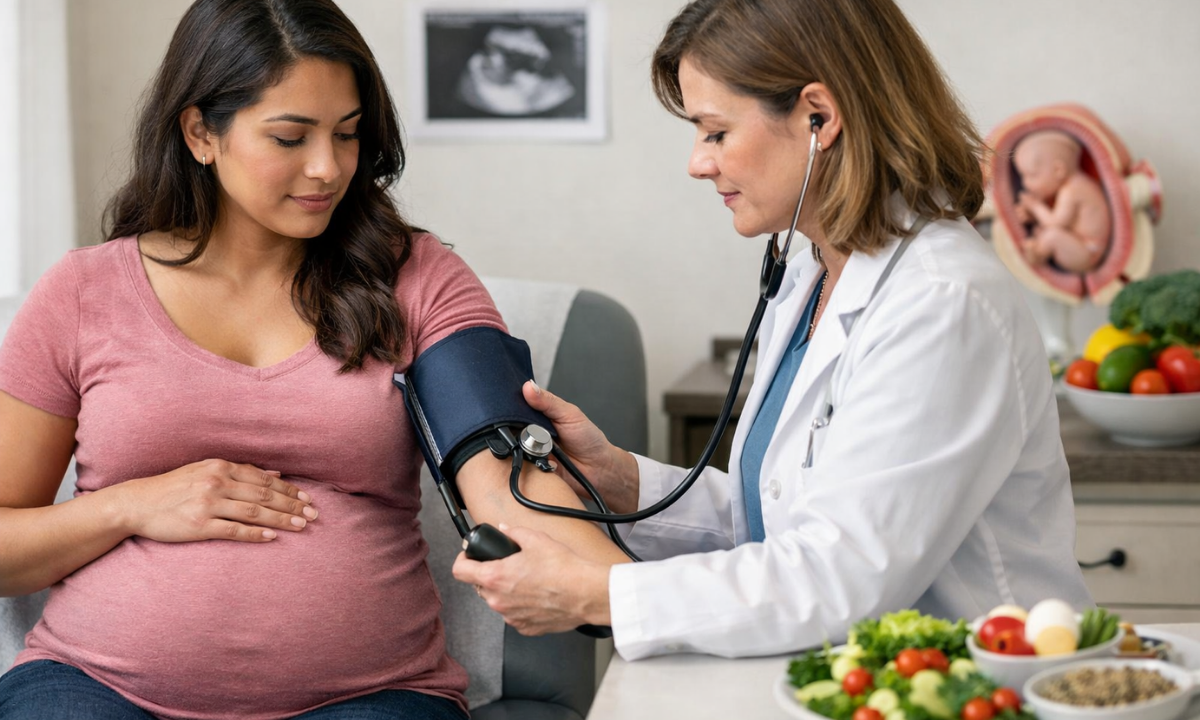
High BP in pregnancy, medically known as pregnancy-induced hypertension, usually develops after the 20th week of gestation.
I always tell expecting mothers, this isn’t about panic; it’s about awareness and timely action.’
Blood pressure issues during pregnancy can affect placental blood flow, which means your baby may receive less oxygen and nutrients if left unmanaged.
That’s why diet plays a huge role here.
What Is Considered High BP in Pregnancy?
Let’s simplify it.
| Category | Blood Pressure Reading |
|---|---|
| Normal | Below 120/80 mmHg |
| Elevated | 120–129 / <80 |
| High BP Stage 1 | 130–139 / 80–89 |
| High BP Stage 2 | ≥140 / ≥90 |
This BP chart in pregnancy helps you understand where you stand without confusion.
Normal Blood Pressure Pregnancy Third Trimester – What’s Ideal?
Many women ask me if BP naturally rises in later months.
Here’s the truth.
A normal blood pressure pregnancy third-trimester reading should still be below 120/80 mmHg.
A slight fluctuation is okay, but consistent readings above 140/90 need immediate dietary and medical attention.
Signs of Pregnancy-Induced Hypertension You Should Never Ignore
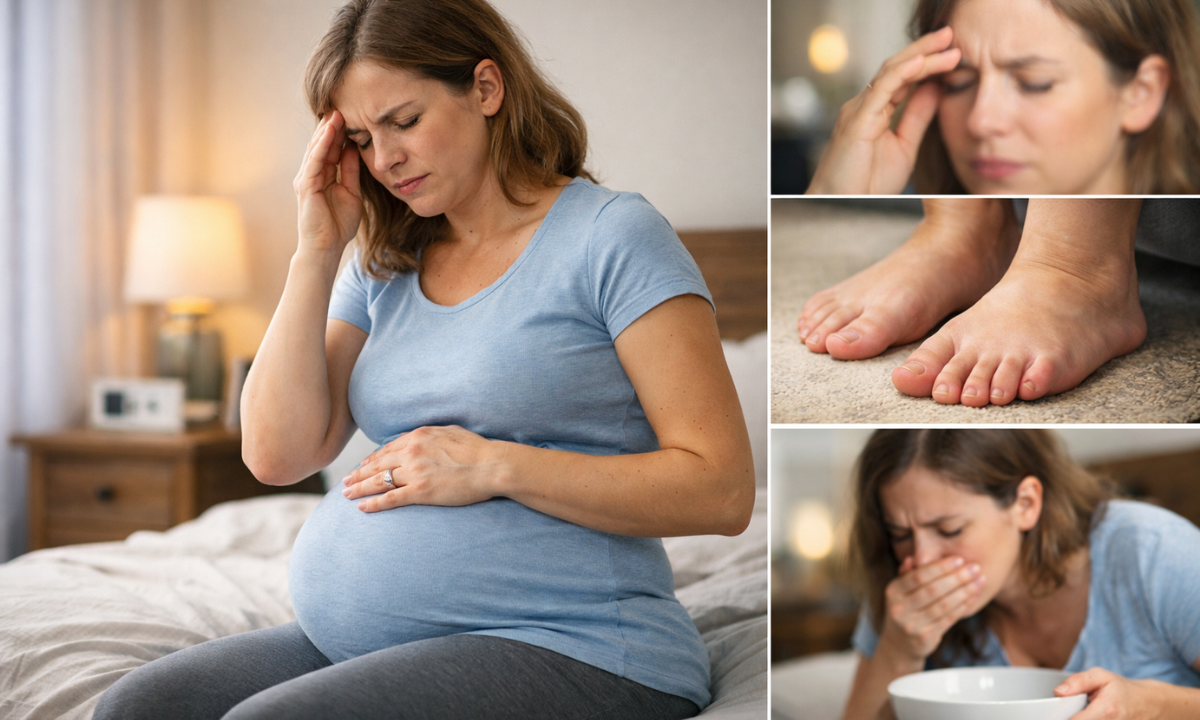
Your body gives you clues. Always listen.
Some common signs of pregnancy-induced hypertension include:
- Persistent headaches
Continuous headaches may indicate increased pressure in blood vessels due to rising BP. - Swelling in the hands, face, or feet
Sudden swelling is often caused by fluid retention linked to high blood pressure. - Sudden weight gain
Rapid weight gain can signal excess fluid accumulation rather than normal pregnancy weight. - Blurred vision
High BP can affect the eye blood vessels, leading to visual disturbances. - Nausea or vomiting after mid-pregnancy
Vomiting beyond the first trimester may point toward pregnancy-induced hypertension or preeclampsia.
If you notice even one of these, don’t self-diagnose; consult your doctor and a nutrition expert immediately.
Why Diet Is the First Line of Defence
I’ve seen dramatic improvements just by correcting food habits.
Food directly impacts:
- Fluid balance
The right diet helps prevent excess fluid retention that can raise blood pressure during pregnancy. - Sodium levels
Balanced food choices control sodium intake, preventing sudden BP spikes. - Blood vessel health
Nutrient-rich foods keep blood vessels flexible and improve blood flow. - Placental circulation
Proper nutrition ensures a steady blood supply and oxygen delivery to the baby.
And the good news? Lowering blood pressure naturally during pregnancy is very much possible with the right nutrition.
Foods That Help Lower Blood Pressure Naturally During Pregnancy
Let’s get into the practical part.
1. Potassium-Rich Foods (Your BP’s Best Friend)
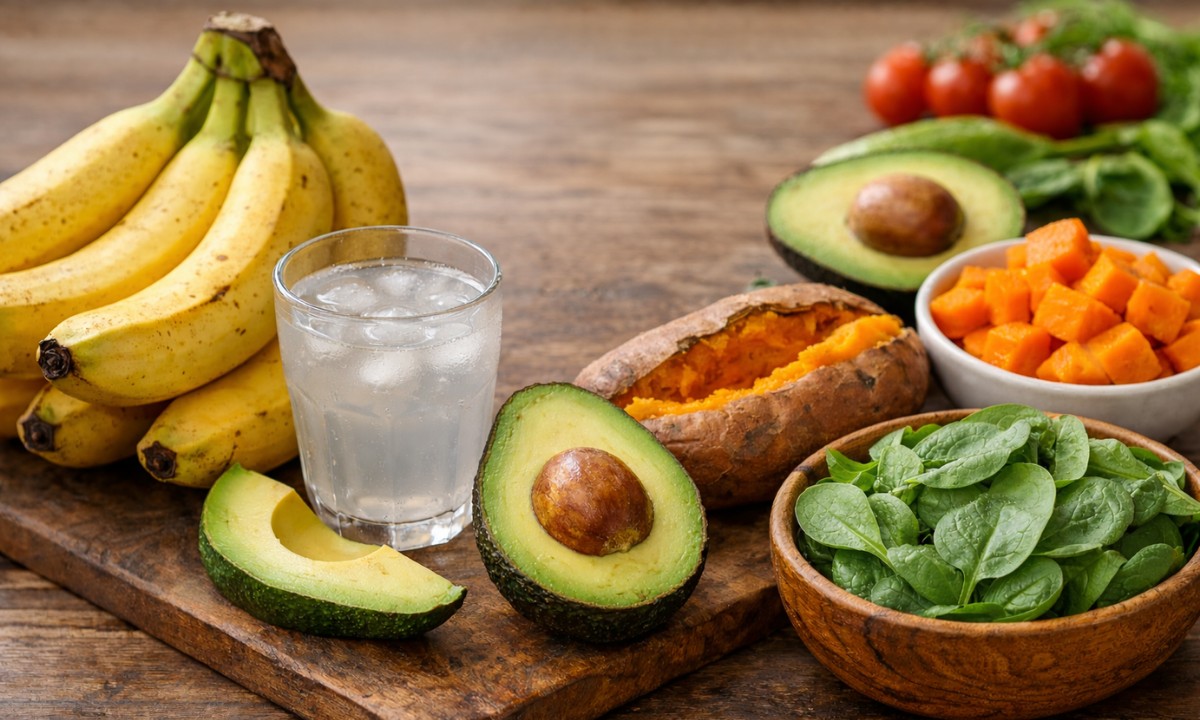
Potassium helps counteract sodium.
Include:
- Banana
Helps balance sodium levels and supports healthy blood pressure regulation. - Coconut water
Naturally rich in electrolytes that help stabilize BP and hydration. - Sweet potato
Provides potassium and fiber that support vascular health. - Spinach
Contains potassium and magnesium that help relax blood vessels. - Avocado
Supports heart health with healthy fats and potassium.
Tip: Always balance potassium with adequate hydration.
2. Calcium-Rich Foods for Vascular Health
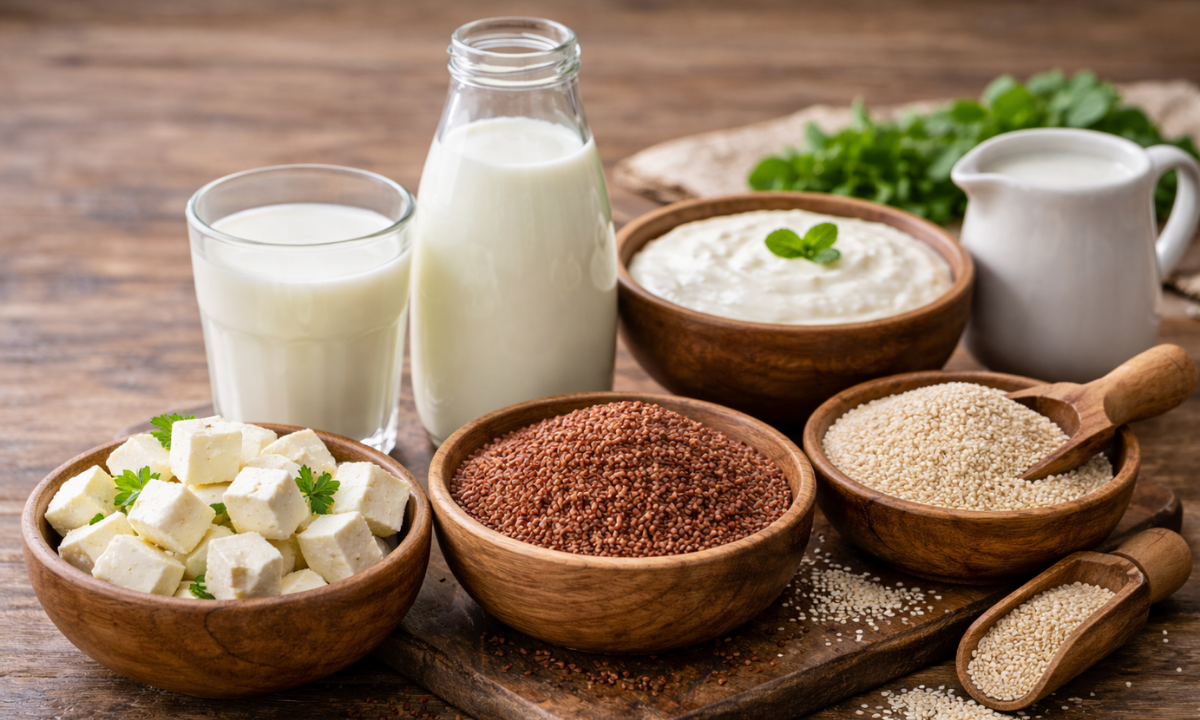
Low calcium is linked to high BP in pregnancy.
Add:
- Milk and curd
Help maintain normal blood pressure and reduce the risk of hypertension. - Paneer (homemade)
Provides calcium and protein without excess sodium. - Ragi
A natural calcium powerhouse that supports maternal bone and BP health. - Sesame seeds
Contain calcium and healthy fats that support circulation.
3. Magnesium for Relaxed Blood Vessels
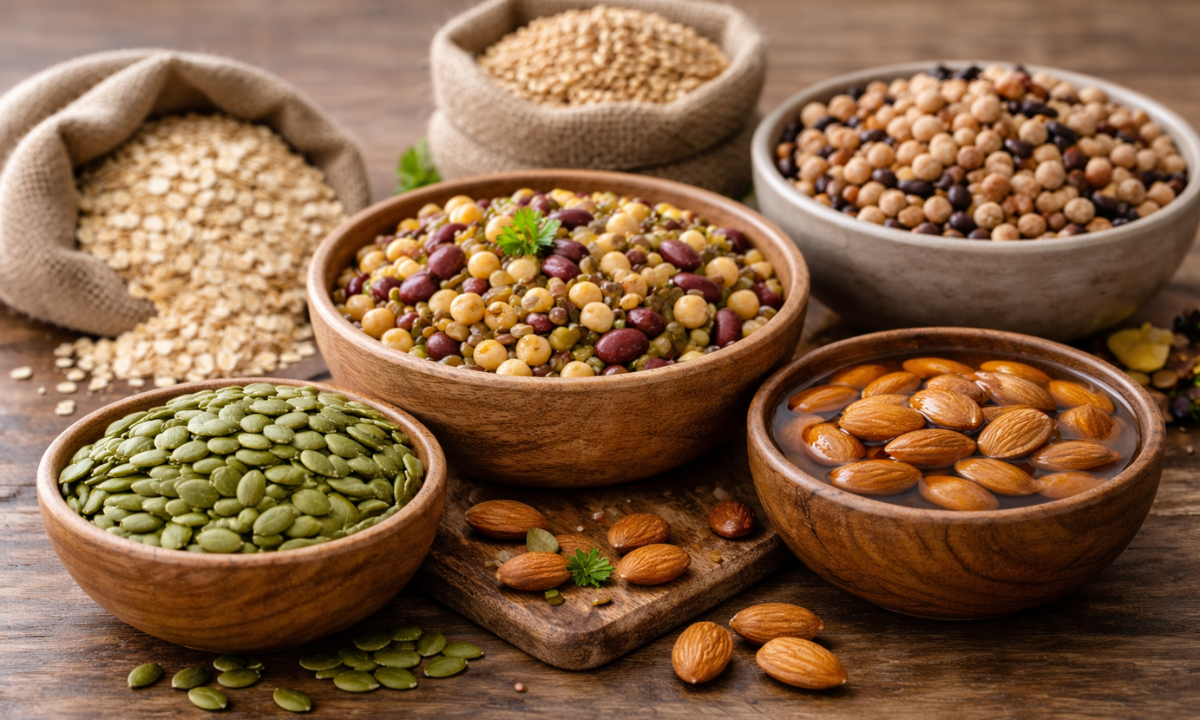
Magnesium helps calm your nervous system.
Natural sources:
- Pumpkin seeds
Help relax blood vessels and reduce BP-related stress. - Almonds (soaked)
Support heart health and reduce inflammation. - Whole grains
Improve insulin sensitivity and help regulate BP levels. - Legumes
Provide magnesium, fiber, and protein for steady blood pressure control.
4. Protein
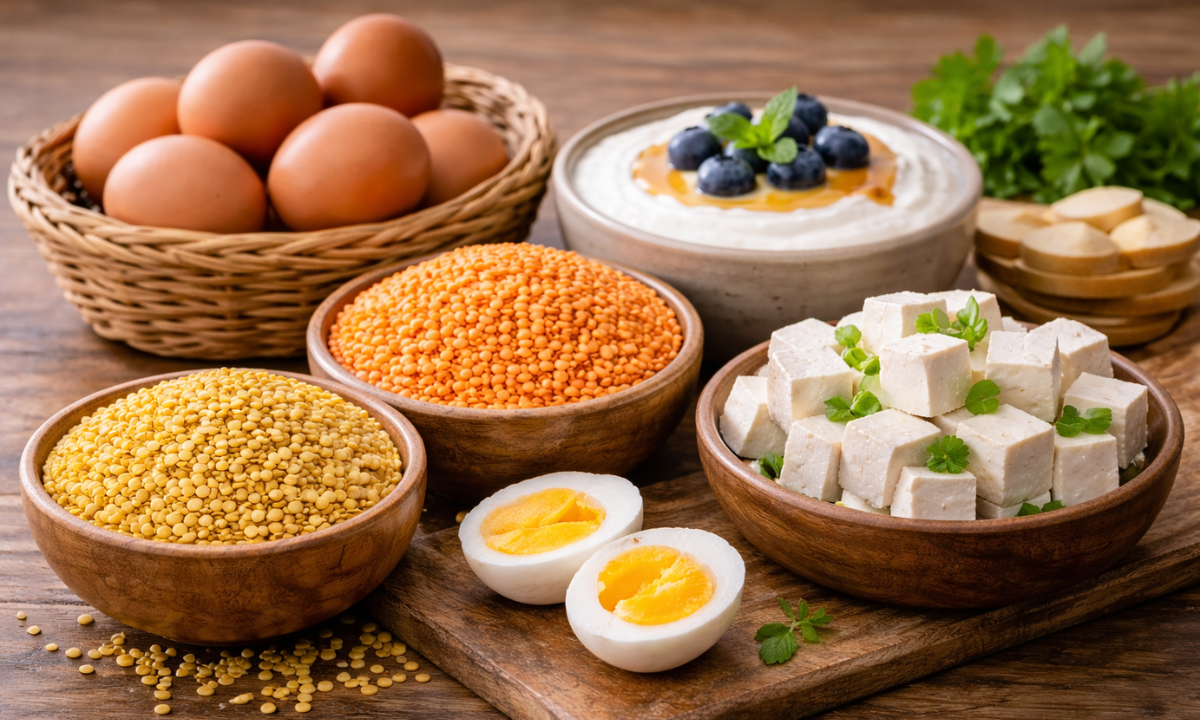
Protein supports placental growth.
Best choices:
- Moong dal, masoor dal
Easy-to-digest plant proteins that support placental growth. - Eggs
Provide high-quality protein essential for fetal development. - Greek yogurt
Combines protein, calcium, and probiotics for overall pregnancy health. - Tofu
A low-sodium plant protein option suitable for BP control.
Avoid excess red meat and processed protein powders unless prescribed.
Foods to Avoid If You Have High BP in Pregnancy
This is equally important.
Limit or avoid:
- Pickles and papads
Extremely high in sodium, which can spike blood pressure. - Packaged snacks
Often contain hidden salt and preservatives that worsen BP. - Instant soups and noodles
Loaded with sodium and unhealthy fats. - Bakery items
High in refined carbs and trans fats that affect circulation. - Colas and sugary drinks
Increase inflammation and contribute to BP instability. - Excess tea or coffee
Too much caffeine can temporarily raise blood pressure.
Even “healthy” packaged foods may hide sodium; read labels carefully.
Sample Day Meal Plan for High BP in Pregnancy
Here’s a simple, practical example I often recommend.
| Time | Meal |
|---|---|
| Early Morning | Warm water + soaked almonds |
| Breakfast | Vegetable oats/besan chilla + curd |
| Mid-Morning | Fruit bowl or coconut water |
| Lunch | Dal, brown rice/roti, sabzi, salad |
| Evening | Roasted makhana or sprouts chaat |
| Dinner | Light khichdi/vegetable soup |
| Bedtime | Turmeric milk (low salt) |
This kind of plan supports lowering blood pressure naturally during pregnancy without depriving you.
Salt – How Much Is Too Much?
Salt is not the enemy; excess is.
I recommend:
- Less than 5 grams/day
- Avoid sprinkling table salt.
- Use herbs, lemon, and jeera for flavor
Never follow a zero-salt diet unless advised by your doctor.
Hydration Matters More Than You Think
Dehydration can actually raise BP.
Aim for:
- 8–10 glasses of water intake/day
- Coconut water 2–3 times/week
- Avoid sugary juices
Sip throughout the day instead of gulping.
Lifestyle Tips Along With Diet
Diet alone won’t do the magic.
Combine it with:
- Gentle walking
Improves circulation and helps regulate blood pressure naturally. - Prenatal yoga
Helps reduce stress hormones that can elevate BP. - Proper sleep
Supports hormonal balance and cardiovascular health. - Stress reduction
Lower stress directly reduces BP spikes during pregnancy.
Stress hormones can spike BP faster than food.
When Should You Consult a Dietician?
Consult a dietitian when
- BP readings fluctuate frequently
- You’re in the third trimester
- You’ve had BP issues in a previous pregnancy
A personalized plan makes a huge difference.
Final Thoughts
Managing high blood pressure during the pregnancy doesn’t mean fear or food restrictions; it means mindful nourishment, balance, and timely guidance from a qualified pregnancy dietitian in Delhi who understands maternal nutrition deeply.
At Nutri Activania, I work closely with expecting mothers to create safe, comforting, and effective nutrition plans that support both mother and baby, because pregnancy is not the time to experiment; it’s the time to nurture wisely.
If you’re dealing with high BP or simply want a smoother pregnancy journey, remember, your plate can truly become your medicine.
Frequently Asked Questions
1. Can high BP in pregnancy harm my baby?
If unmanaged, high BP can affect placental blood flow, but with timely monitoring, proper diet, and medical care, most pregnancies progress safely without complications.
2. Is bed rest necessary?
Bed rest is not always required; gentle activity like walking is often encouraged unless your doctor advises rest based on BP readings and overall pregnancy condition.
3. Can I take supplements for BP?
BP supplements should only be taken if prescribed, as self-medication during pregnancy can disrupt nutrient balance and may negatively affect both maternal and fetal health.
4. Does high BP mean C-section?
High BP does not automatically mean C-section; many women with well-controlled blood pressure deliver vaginally under proper medical supervision and regular monitoring.