
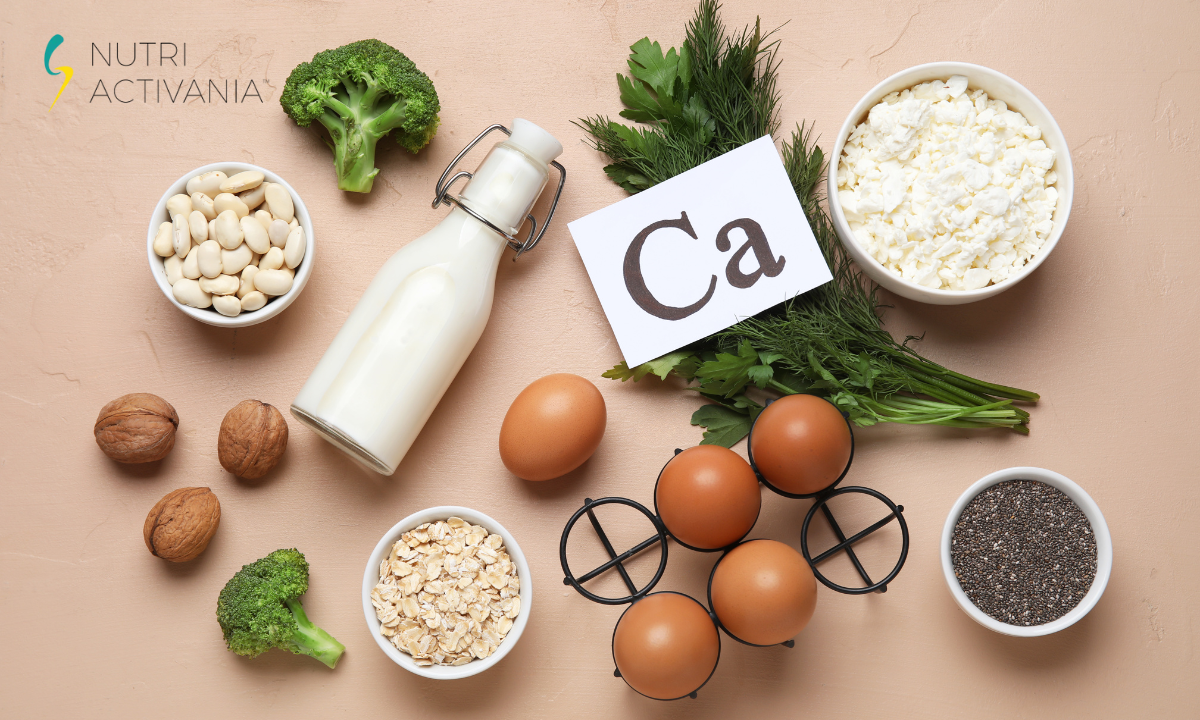
Modern life has become very hectic. Despite technological advancements, people are busier than ever before. This constant rush affects our physical health. Hence, the need of the hour is to look after our health. Having a balanced diet and regular exercise is essential for overall well-being. A complete meal with all the essential nutrients must be consumed daily. Calcium is one such important mineral that is essential for strong bones and teeth. The human body stores about 99 percent of the calcium in bones and teeth.
The remaining one percent is found in the blood, muscles, and other tissues. Therefore, it is imperative to consume calcium-rich foods for better health. India’s leading Dietician Avni Kaul shares a calcium-rich diet that every Indian family should follow.
Nuts and Seeds: Nuts such as almonds, Brazil nuts, hazelnuts, and pistachios are good sources of calcium. Some nuts are rich in magnesium which helps to regulate calcium levels in the body. It is required for the proper absorption and utilization of calcium. 30 gm each of almond, walnut, hazelnut, and Brazil nut contains about 75 mg, 28 mg, 56 mg, and 28 mg of calcium.
Sesame seeds, chia seeds, flax seeds, and sunflower seeds are rich sources of calcium. Black Sesame seeds, popularly known as Kala Til in India are added to several recipes across the country. It is one of the richest plant-based sources of calcium. Just one tablespoon of black sesame seeds contains around 88 milligrams of calcium, which is about 9% of the recommended daily intake for adults. 9 grams of poppy seeds contain about 127 mg of calcium. Nuts and seeds make a great snack and can be eaten on their own or mixed with dried fruit for a trail mix. They can be added to your favourite salads and smoothies to give them a healthy punch.
Milk: This white liquid can do wonders when taken in the right amount. Milk is an excellent source of calcium that strengthens bones and teeth, improves heart health, and boosts the immune system. A glass of milk contains roughly 300 mg of calcium. However, those who are lactose intolerant can try alternative sources of calcium like leafy greens, nuts, seeds, etc.
Indian Whole Cereals: Ragi, a popular cereal in India, is rich in calcium-containing approximately 344 mg per 100 gm. Bajra or Pearl millet is also a good source of calcium. Other whole cereals like Jowar (Sorghum), whole wheat, and barley are all rich sources of calcium. They can be consumed in the form of idli, dosa, uttapam, flatbread, porridge, and even pancakes. Barley can be used to make bread, porridge, breakfast cereals, soups, and stews.
Greens and Beans: Green leafy vegetables and legumes such as Broccoli, Brussels sprouts, collards, kale, mustard greens, soy, etc are rich in calcium. A 100-gram serving of mustard greens contains approximately 120 milligrams of calcium. Spinach is one of the most popularly consumed green vegetables found in Indian cuisine. A single serving of spinach contains approximately 250 mg of calcium. Beans like baked beans, white beans, tofu, etc are also good sources of calcium.
Yogurt: This dairy product which is available in multiple flavours is one of the richest sources of calcium. A single serving contains 400 mg of calcium. It can be consumed directly or in the form of lassi, chaas, kadhi, and raita.
Figs: Dried and uncooked figs are rich sources of calcium. They make a delicious breakfast when added to cornflakes or oats. About 163 grams of calcium are present in 100 grams of figs.
Bottomline – Now that you have a fair idea of how to add calcium to your daily diet, it is also important to note that excessive consumption of this mineral can harm your health. Hence, it is best to consult a doctor or an experienced nutritionist to find out the ideal amount of calcium for your body.